





Lithium RV Van & Camper Batteries
14 products


€478,63 EUR
Unit price per
€904,41 EUR
Unit price per

€484,85 EUR
Unit price per

€1.029,32 EUR
Unit price per


€193,05 EUR
Unit price per
Built to Support the Way You Travel in Your RV
Life on the road is unpredictable. Weather changes. Power needs grow. Some nights you plug in, some nights you don’t. Vatrer lithium RV batteries are designed to make your energy system feel steady, flexible, and easy to manage, so you can focus on the journey instead of the power.

Flexible Battery Options

Expandable System Design

Smart BMS Protection

Cold Weather Charging Protection

Self-Heating for Winter Travel

Solar and Inverter Compatibility

Lighter and More Compact

Waterproof and Durable Construction

Bluetooth Remote Monitoring
Vatrer Lithium RV Batteries for Every Kind of RV Life
Every RV tells a different story. Some are built for long highways. Some for mountain roads. Some for quiet nights far from campgrounds. Wherever that road leads, Vatrer lithium RV batteries are designed to support the way you travel.


How Much Battery Do You Really Need for Your RV
Power needs vary depending on the RV you travel in. Understanding your RV battery size helps you match real energy use with the right setup. When choosing Vatrer lithium RV batteries, it’s recommended to leave a 20%–30% safety margin to cover unexpected needs and stay comfortable off-grid.
Real RV Setups and Real Off-Grid Power
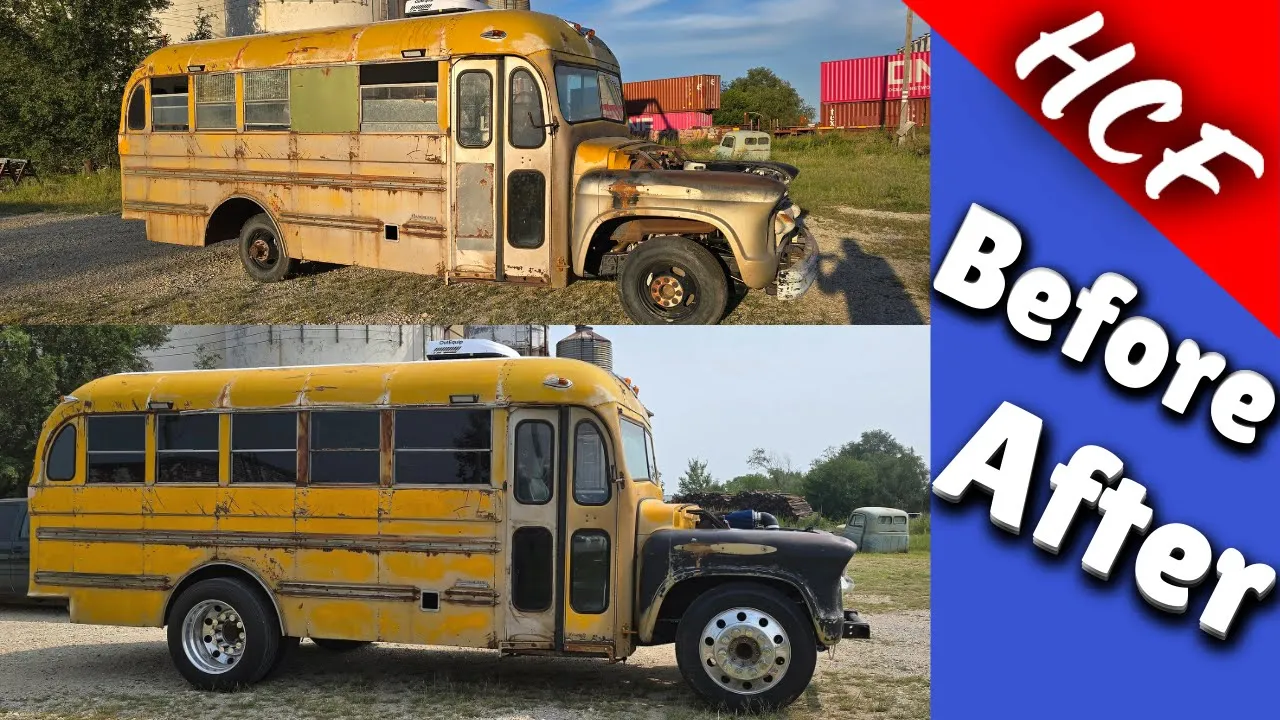
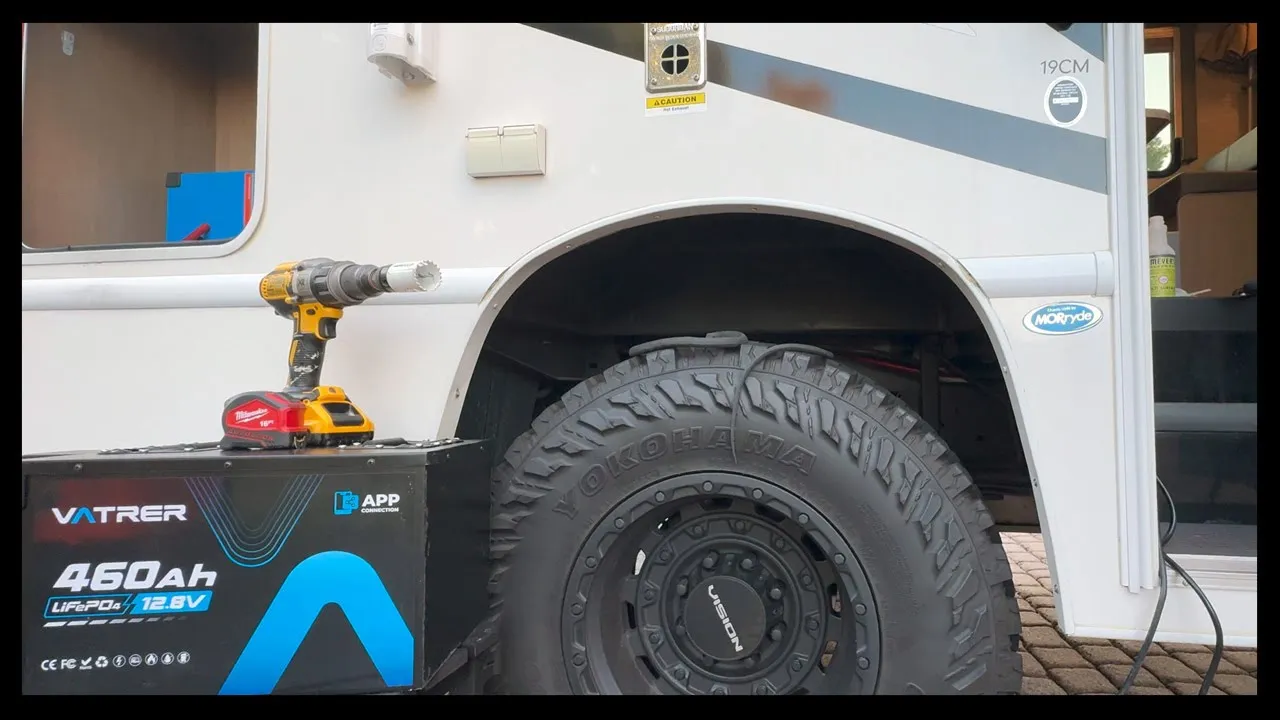
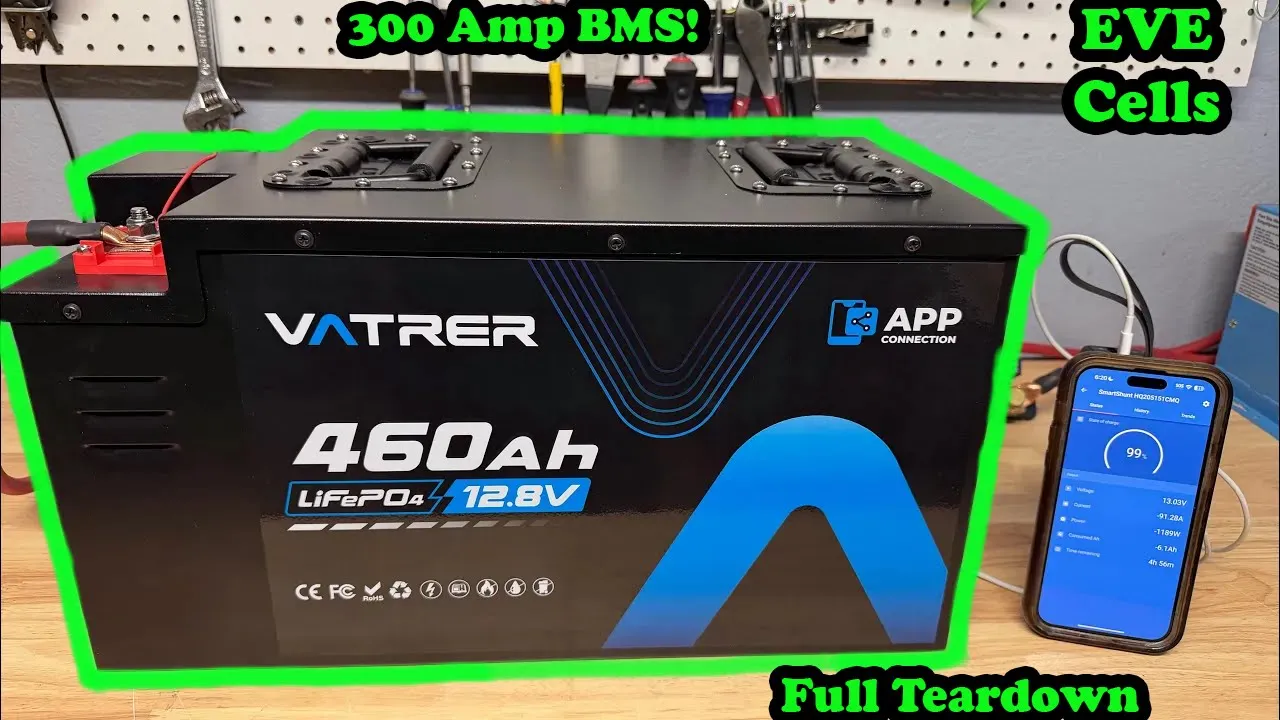
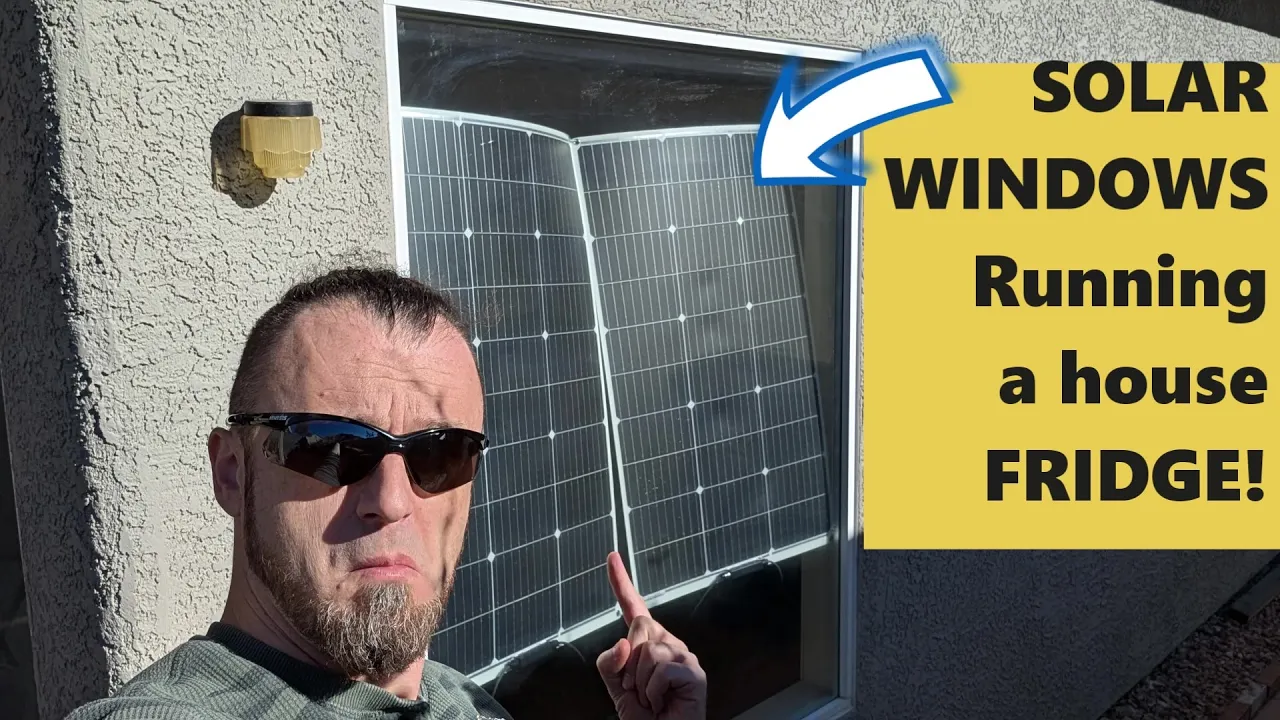
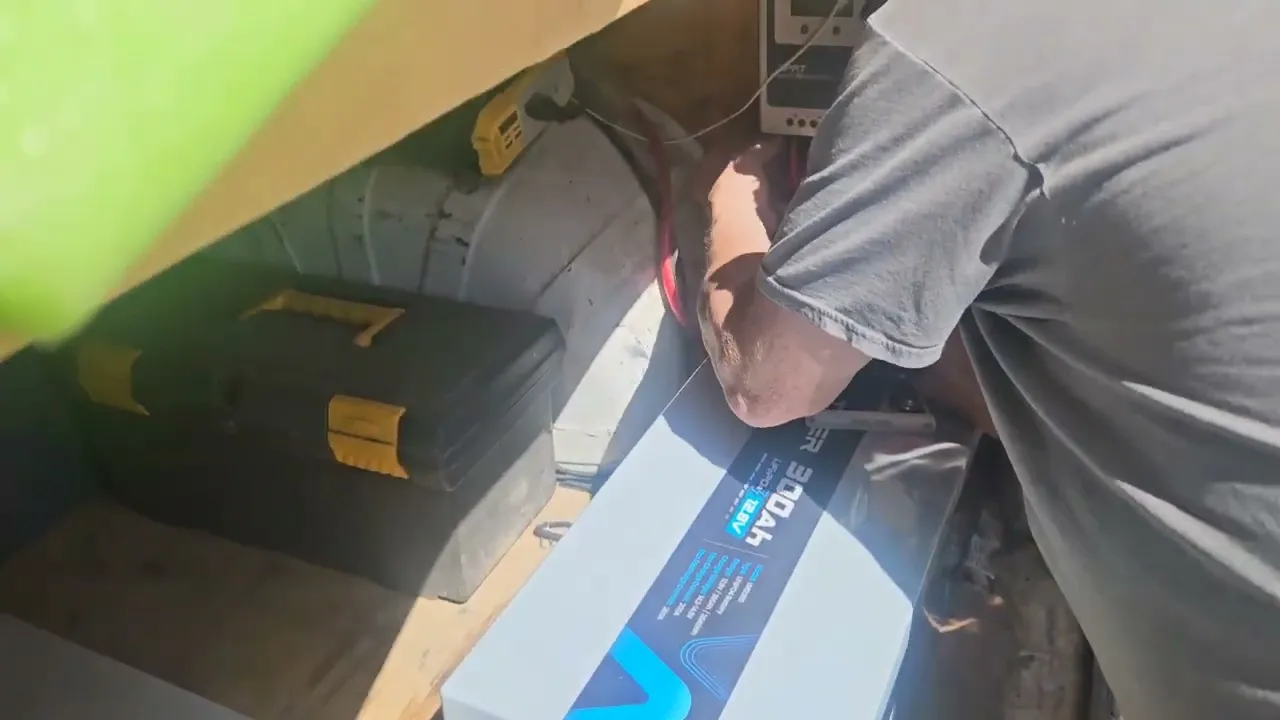
Watch the video, and you can see how the Vatrer lithium RV battery system performs in real-world conditions.


Best Vatrer Lithium RV Battery for Your Travel Style


FAQs
Yes, a 12V lithium RV battery can replace a 12V lead-acid house battery in most travel trailers, Class B vans, Class C motorhomes, and fifth wheels from brands like Jayco, Forest River, Winnebago, Grand Design, and Airstream. Keep the same 12V system voltage, connect positive to positive and negative to negative, then use a LiFePO4-compatible converter/charger to reach a full 14.4V–14.6V charge. Stock lead-acid converters may work for basic operation, but they often stop before the lithium battery reaches 100%.
Yes, use a DC-DC charger when charging a lithium RV battery from a truck, van, or motorhome alternator because LiFePO4 batteries can pull high current for longer than lead-acid batteries. A 20A–60A DC-DC charger is common for travel trailers and camper vans, while larger motorhomes may use 60A–100A depending on alternator capacity.
For a basic 12V RV setup with a compressor fridge, LED lights, roof fan, water pump, and device charging, a 12V 100Ah lithium RV battery gives about 1,280Wh, while a 12V 300Ah battery gives about 3,840Wh. A 100W fan for 6 hours, 300W fridge for 8 hours, and 50W LED lights for 5 hours at about 3.25kWh/day, which fits a 12V 300Ah battery or 2×12V 100Ah setup for roughly 1–2 days without solar.
Yes, but the battery bank and inverter must match the AC load: a 13,500 BTU RV air conditioner commonly needs about 1,200W–1,800W running power and much higher startup surge unless a soft starter is installed. A single Vatrer 12V 300Ah battery provides 3,840Wh and up to 2,560W continuous output, while the 12V 460Ah model and 12V 560Ah/600Ah models support up to 3,840W continuous output. For practical AC use, pair a 2,000W–3,000W pure sine wave inverter with at least 300Ah–600Ah of lithium capacity.
The Vatrer 12V 100Ah Group 31 model measures 12.95x6.77x8.42 inches and weighs 24.2 lbs, making it a closer fit for many standard Group 24 RV trays. Larger options need more space: the 12V 300Ah is 15.16×7.56×9.76 inches, the 12V 460Ah heated model is 18.78×10.75×9.92 inches, and the 12V 600Ah is 25×9.61×8.66 inches. Measure the tray length, width, height, lid clearance, cable bend space, and hold-down strap position before choosing the battery size.
Yes, a LiFePO4 RV battery can be installed in a pass-through compartment if it is firmly secured, protected from loose cargo, and wired with the correct fuse, cable gauge, and strain relief. This is common when the front tongue tray is too small for a lithium battery, especially on travel trailers. Keep the battery away from direct spray, sharp metal edges, propane compartments, and unvented heat sources.
No, do not mix lithium RV batteries and lead-acid batteries in the same parallel or series house battery bank because they use different resting voltages, charge profiles, internal resistance, and usable depth of discharge. A 12V LiFePO4 battery typically charges around 14.4V–14.6V, while many lead-acid chargers float and absorb differently, causing imbalance and reduced usable capacity. Replace the bank as one chemistry: all lithium or all lead-acid.
For small 100Ah systems, many RV installs use 4 AWG to 2 AWG cable with a 100A–150A fuse, depending on inverter size and cable length. For high-output 200A–300A lithium RV battery systems, use larger cable such as 2/0 AWG or 4/0 AWG with a properly rated Class T or ANL fuse sized near the system’s maximum continuous current. But inverter-heavy systems need thicker cable than basic 12V loads.
Yes, a lithium RV battery can charge from solar, shore power, generator power, and alternator power when each charging source uses a LiFePO4-compatible profile. Set absorption around 14.4V–14.6V for a 12V LiFePO4 RV battery, and disable equalization. For shore power, use a lithium-compatible converter/charger or inverter/charger.
Store a lithium RV battery around 50% state of charge in a dry location, ideally between 50°F and 95°F, with all parasitic loads disconnected. Vatrer lithium RV batteries discharge from -4°F to 140°F, charging is optimized at 32°F–122°F, and extreme storage should avoid direct sun while maintaining about 50% SOC. For winter RV storage, check SOC every 2–3 months and recharge before it drops too low.
Other LiFePO4 Batteries Recommended

€1.225,05 EUR
Unit price per
€904,41 EUR
Unit price per
€1.016,87 EUR
Unit price per
€484,85 EUR
Unit price per
€193,94 EUR
Unit price per
€233,97 EUR
Unit price per
€478,63 EUR
Unit price per
€539,12 EUR
Unit price per





- Reliable Power, Empowering Lives.
- Vatrer specializes in LiFePO4 lithium batteries for golf carts, RVs, home energy storage, and off-grid applications, designed for reliable performance and long-term use.
