1.1) Select a well-ventilated, dry, and cool area. Ensure adequate air circulation to prevent heat buildup within the battery pack, which can impact its lifespan.
1.2) The ambient temperature must be maintained between 32°F and 131°F. Keep the battery pack away from heat sources, open flames, and flammable or explosive materials to prevent safety hazards caused by high temperatures.
1.3) Do not store or install the battery pack alongside metal objects or conductive materials. Stacking of battery packs is prohibited. Maintain sufficient clearance (≥10cm on all sides) to facilitate ventilation and heat dissipation.
1.4) The installation area humidity must remain below 85% to avoid terminal corrosion and circuit short circuits caused by damp conditions. For outdoor installations, a protective enclosure rated for weather and dust resistance must be installed.
2.1) Charging equipment compatible with the battery pack's specifications must be used.
2.2) Cables and terminals must be selected to meet current load requirements. Wire gauge must be appropriately sized for the actual operating current to prevent overheating due to insufficient wire diameter.
2.3) Components used to secure the battery must be made of non-conductive and non-combustible materials (e.g., plastic brackets, insulated straps). Directly binding the battery pack with metal wires or uninsulated metal brackets is strictly prohibited.
3.1) Installation personnel must read the corresponding product manual and safety usage guide beforehand. Operators must wear insulated gloves and safety goggles. Tools must be fitted with insulated handles to prevent short circuits caused by metal tools contacting the terminals.
3.2) Unauthorized disassembly, modification, or alteration of the battery pack is strictly prohibited.
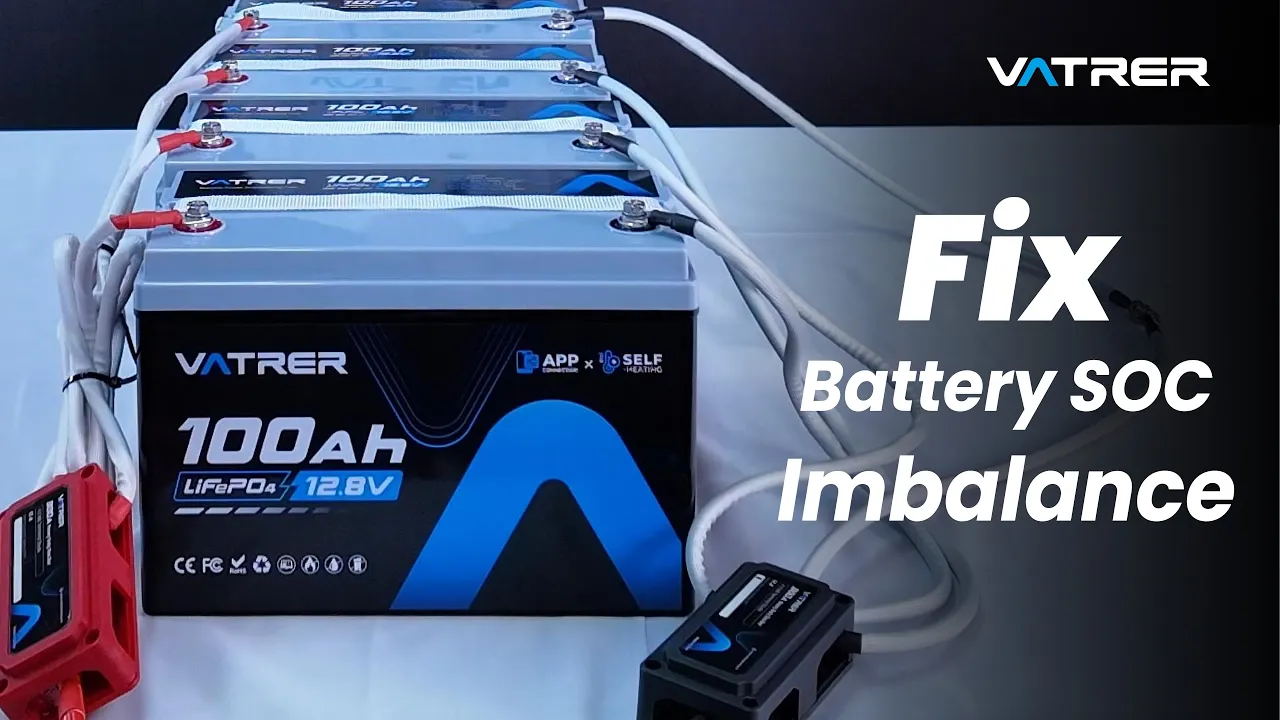
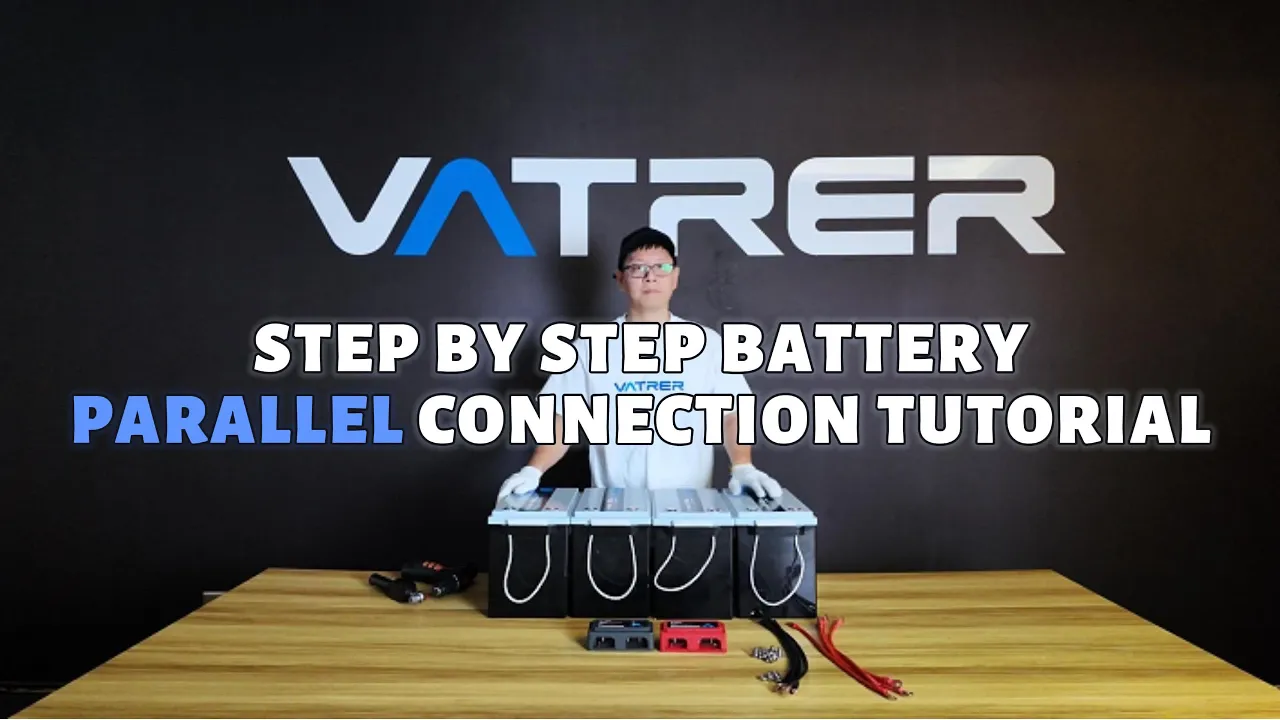
3.3) Before connecting battery packs in series or parallel, the Product Manual must be consulted to confirm that the product supports such configurations. Failure to do so may result in product damage.
3.4) Wiring must follow the principle of securing the battery pack first before making electrical connections. This helps prevent accidental short circuits during the wiring process.
3.5) All terminals and busbar connections must be securely fastened after assembly to prevent loosening, oxidation, or accidental contact. Screws used on the battery pack must incorporate anti-loosening features (e.g., lock washers, thread-locking adhesive) to prevent detachment due to vibration.
3.6) If the battery pack is intended for long-term use in a vibrating operating environment, the tightness of all screws must be inspected monthly.