A Comprehensive Guide to Solar Batteries

Blog

Solar Battery Guide for Homes, Cottages, RVs and Backup Power

by WilliamZachary on Feb 27 2024
Solar batteries store extra electricity from your solar panels so you can use it later, whether that means overnight, during cloudy weather, at the cottage, in an RV, or when the grid goes out. For many Canadian users, battery storage is less about luxury and more about control, backup power, and making solar energy work through real seasonal conditions. Solar panels produce the most power when the sun is available, but your energy use does not always match that schedule. You may need power after sunset, during a storm, during a winter outage, or when your cottage or off-grid cabin is far from reliable utility service. A solar battery fills that gap. In this guide to solar batteries, we will explain how solar batteries work, compare common battery types, discuss cost factors, and show what to consider before choosing a battery for a Canadian home, cottage, RV, boat, or off-grid solar system. What Does a Solar Battery Do? A solar battery stores electricity generated by solar panels. When your panels produce more power than your home or system needs, the extra electricity charges the battery. Later, when solar production drops, the battery can supply power. This is useful in Canada because sunlight, weather, and energy demand can vary widely by season. Summer may bring long daylight hours and strong solar production, while winter may bring shorter days, snow cover, and higher heating-related electrical loads in some homes and cabins. Solar batteries are used in grid-tied homes, rural properties, cottages, cabins, farms, RVs, boats, and remote work sites. They can support daily solar self-consumption, emergency backup, or complete off-grid living depending on how the system is designed. If your home is connected to the utility grid, a battery does not automatically mean you are off-grid. It simply gives you the ability to store your own solar power and use it when it is more valuable to you. How Solar Batteries Work A solar battery system includes several parts working together. The system may be small and simple for an RV or more advanced for a home backup installation. Solar panels create DC electricity Solar panels convert sunlight into direct current electricity, known as DC power. The amount of power produced depends on panel size, sun exposure, shading, roof angle, snow cover, and weather. A charge controller or inverter manages charging A charge controller regulates power going into the battery. It helps prevent overcharging and protects the battery from unsafe charging conditions. In many home systems, a hybrid inverter or integrated battery system manages this process. The battery stores unused solar power When solar production is higher than your current demand, the battery charges. When your panels are not producing enough, the battery can discharge to run lights, appliances, electronics, pumps, fans, or backup circuits. An inverter converts DC power to AC power Most household appliances use AC power. Since batteries store DC power, an inverter converts battery energy into AC electricity that can power regular home loads. An energy management system controls the system A modern energy management system decides when to charge, discharge, reserve backup energy, or use grid power. This is especially useful for homes with time-of-use electricity rates, backup power needs, or mixed solar and grid operation. Common Types of Solar Batteries The main solar battery types include lead-acid, lithium-ion, nickel-cadmium, and flow batteries. For most Canadian homes, RVs, cottages, and small off-grid systems, lead-acid and lithium batteries are the most relevant options. Lead-acid batteries Lead-acid batteries are a traditional choice for off-grid solar, RVs, boats, and backup systems. They are familiar, widely available, and usually cost less upfront than lithium batteries. The trade-off is weight, maintenance, and shorter usable life. Flooded lead-acid batteries need ventilation and regular maintenance. AGM and gel batteries are sealed and easier to handle, but they still offer less usable capacity and lower cycle life than many lithium options. Lithium-ion batteries Lithium-ion batteries are now common in modern solar storage systems because they are efficient, compact, and long-lasting. They can usually discharge deeper than lead-acid batteries, which means more usable energy from the same rated capacity. LiFePO4 batteries, or lithium iron phosphate batteries, are especially popular for deep-cycle solar use. They are known for stable chemistry, long cycle life, and reliable performance in RV, marine, cottage, and home storage applications. Nickel-cadmium batteries Nickel-cadmium batteries are tough and can work in harsh environments, but they are not common for residential solar storage. Because they contain cadmium, they require careful handling, recycling, and disposal. Flow batteries Flow batteries use liquid electrolytes to store energy. They can work well for large-scale storage, but they are usually too large and expensive for typical homes, cottages, or RV systems. Solar Battery Cost in Real-World Terms The cost of a solar battery depends on battery chemistry, capacity, inverter compatibility, installation needs, backup load requirements, and whether the battery is part of a new system or an upgrade to an existing one. Lead-acid battery cost Lead-acid batteries are usually the least expensive upfront. A single battery may cost a few hundred dollars, but larger systems need multiple batteries. Replacement costs can also add up because lead-acid batteries often have a shorter cycle life. Lithium battery cost Lithium batteries cost more upfront but often provide more usable capacity, longer lifespan, better efficiency, and less maintenance. For cottages, RVs, and off-grid systems that cycle frequently, lithium may offer better long-term value. For whole-home battery backup, cost can rise quickly because you may need a larger battery bank, hybrid inverter, electrical work, critical load panel, and professional installation. Nickel-cadmium and flow battery cost Nickel-cadmium and flow batteries are typically used in commercial, industrial, or large energy storage settings. They are not usually the practical first choice for most Canadian residential solar users. How to Choose the Right Solar Battery The best solar battery depends on how you plan to use it. A battery for a weekend cottage has different requirements from a battery for a full-time home, a farm, an RV, or an off-grid cabin. Decide what you want to power Start by listing your essential loads. These may include a fridge, freezer, well pump, lights, internet router, sump pump, furnace fan, medical device, or small appliances. For RVs and cottages, loads may include lights, water pumps, fans, 12V fridges, inverters, and electronics. Size the battery capacity Battery capacity is usually measured in kWh for home systems and Ah for smaller 12V or 24V setups. Choose enough capacity to cover your expected runtime, but do not oversize blindly. A good system should match your solar array, inverter, and daily energy use. Consider cold-weather performance Cold weather matters in Canada. Some batteries, especially lithium batteries, should not be charged below freezing unless they have low-temperature protection or built-in heating. If the battery will be installed in an unheated garage, shed, trailer, boat compartment, or cabin, temperature limits should be part of your buying decision. Compare usable capacity and depth of discharge Lead-acid batteries usually should not be deeply discharged if you want them to last. Lithium batteries can usually use a larger share of their rated capacity. This means two batteries with the same label capacity may deliver very different real-world runtime. Check efficiency Higher battery efficiency means less solar energy is lost during charging and discharging. Lithium batteries usually have better round-trip efficiency than lead-acid batteries. Review warranty and support Look at warranty length, cycle rating, capacity retention, and customer support. For a Canadian installation, also consider whether the product is suitable for your climate and whether replacement or service support is easy to access. Grid-Tied vs Off-Grid Solar Battery Systems There are two common ways to use a solar battery: with the grid or completely off-grid. Many Canadian systems sit somewhere in the middle, using grid power when available but keeping battery backup for resilience. Grid-tied solar with battery backup A grid-tied system remains connected to the utility. Solar panels can power the home, charge the battery, or export power depending on local rules and system design. During an outage, a properly designed backup system can run selected circuits. Off-grid solar battery systems An off-grid system has no utility grid to fall back on. It needs enough solar panels, battery storage, inverter power, and often a backup generator to handle cloudy stretches and winter conditions. Off-grid sizing is especially important in northern areas with shorter winter daylight. Hybrid systems A hybrid system combines solar, battery storage, and grid power. It can help reduce grid dependence while still keeping utility power available when solar and battery energy are not enough. Benefits of Solar Batteries Backup power during outages: Keep important loads running during storms, rural outages, or grid interruptions. Better use of solar energy: Store extra solar power instead of relying only on real-time production. More energy independence: Reduce your dependence on the grid, especially for rural homes and cottages. Support for off-grid living: Batteries are essential for cabins, remote properties, and seasonal sites without utility service. Potential bill savings: Battery storage may help reduce grid use, especially where rate structures make stored solar power more valuable. Cleaner backup option: A solar battery can reduce generator runtime and fuel use in some backup systems. Solar Battery Brands to Compare Well-known solar battery names include Tesla Powerwall and Generac PWRcell. These are often used in residential backup and solar storage systems. Other brands focus on modular lithium batteries, server rack batteries, RV batteries, marine batteries, and off-grid solar banks. Vatrer Power is another option to consider for users looking at LiFePO4 batteries for solar storage, RV power, cottage systems, and backup applications. When comparing brands, look at usable capacity, battery chemistry, cycle life, warranty, inverter compatibility, temperature protection, and support. Are Solar Batteries Worth It in Canada? Solar batteries can be worth it if you need backup power, have unreliable grid service, use a cottage or cabin, want to reduce generator use, or plan to rely more heavily on your own solar energy. They may be harder to justify purely on bill savings if your electricity rates are low or your local net metering arrangement is favourable. In that case, the value may come more from backup power, resilience, and energy independence than from direct payback alone. Incentives and rebate programs can vary by province, municipality, utility, and year. Before buying, check current local programs and ask a qualified installer how battery storage affects your full system cost and return. FAQ About Solar Batteries How long do solar batteries last? Many solar batteries last around 5 to 15 years, depending on chemistry, usage, temperature, maintenance, and cycling. Lithium and LiFePO4 batteries usually last longer than lead-acid batteries. What are the disadvantages of solar batteries? The main disadvantages are higher upfront cost, limited storage capacity, installation complexity, and eventual replacement. In cold regions, temperature limits are also important, especially for lithium charging. How many batteries are needed to power a house? It depends on the size of the home, your daily electricity use, the appliances you want to run, and how long you need backup power. Some homes only back up essential circuits, while others require a larger battery bank for whole-home support. How long can a solar battery hold a charge? A battery can hold a charge for a long time when disconnected, but actual backup runtime depends on capacity and power demand. A fridge, well pump, and furnace fan will drain a battery faster than lights and phone chargers. What solar battery type is best? For most modern Canadian solar systems, lithium or LiFePO4 batteries are usually the best fit because they offer strong usable capacity, efficiency, and cycle life. Lead-acid can still work for lower-budget or occasional-use systems. Final Thoughts A solar battery can make a solar power system much more useful. It stores extra energy, supports backup power, improves off-grid flexibility, and helps you use more of the electricity your panels produce. For Canadian homes, cottages, RVs, boats, and cabins, the right solar battery should be chosen with capacity, cold-weather performance, safety, warranty, and long-term value in mind.
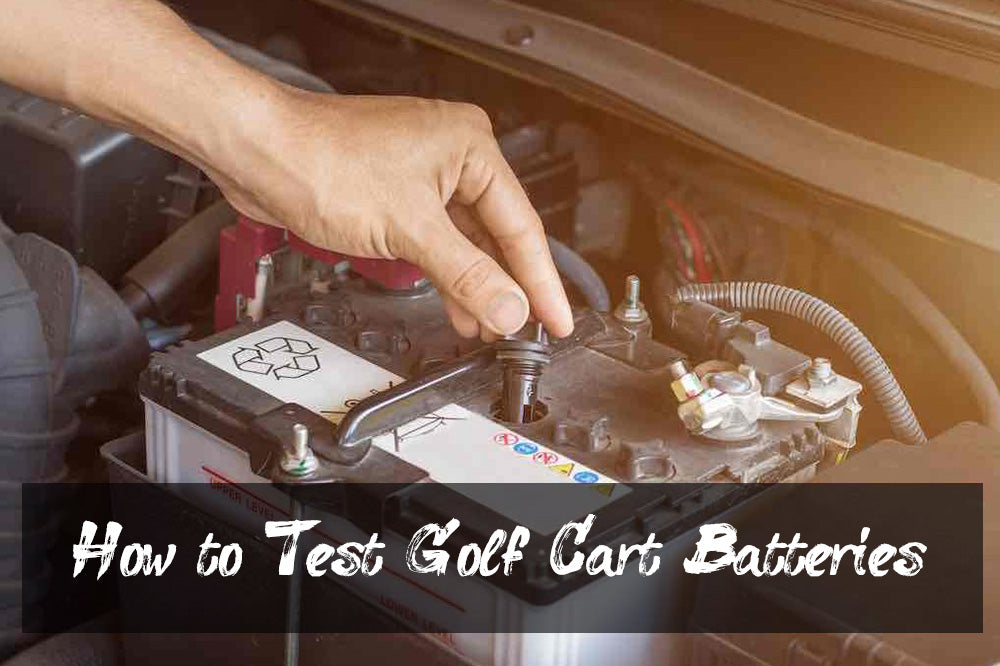
How to Test Golf Cart Batteries

Blog

How to Test Golf Cart Batteries: A Comprehensive Guide

by WilliamZachary on Feb 26 2024
In this article, we will provide you with a step-by-step guide on how to test your golf cart batteries effectively.
36 volt battery golf cart

Blog

36V Golf Cart Batteries: A Practical Guide for Reliable Everyday Driving

by WilliamZachary on Feb 23 2024
3
What Is a 36 Volt Golf Cart Battery System? A 36 volt golf cart battery system powers the motor and controller in many electric golf carts. These systems are common in older EZGO, Club Car, and Yamaha carts, and they are still used across Canadian golf courses, cottage communities, campgrounds, resorts, gated communities, and private properties. A traditional 36V golf cart usually uses six 6V lead-acid batteries wired in series. Some setups use three 12V deep cycle batteries. A lithium conversion can replace the multi-battery setup with one 36V LiFePO4 battery designed for golf cart use. Battery Setup Total Voltage Typical Application What to Know Six 6V batteries 36V Traditional lead-acid carts Common but heavy and maintenance-intensive Three 12V batteries 36V Some deep cycle replacement setups Batteries must match in type, age, and capacity One 36V LiFePO4 battery 36V Lithium upgrade Lower weight, simpler wiring, and less maintenance If your cart is designed for 36V, stay with a 36V battery system unless the cart has been properly converted. Changing voltage without upgrading the controller, motor, solenoid, wiring, and charger can create performance and safety problems. Lead-Acid vs Lithium for 36V Golf Carts Lead-acid batteries are familiar and affordable upfront. They can still work for occasional golf cart use, especially on flat roads and short routes. The trade-off is maintenance. Flooded lead-acid batteries need watering, terminal cleaning, corrosion checks, and careful charging. LiFePO4 lithium batteries are a more modern option for 36V golf carts. They are lighter, recharge faster, provide steadier voltage, and require almost no routine maintenance. For Canadian users who drive regularly through cottage roads, campgrounds, resort paths, or golf communities, that convenience can matter a lot. Comparison Point 36V Lead-Acid Pack 36V LiFePO4 Lithium Battery Battery Layout Multiple batteries connected in series Often one integrated battery pack Weight Heavy Much lighter Maintenance Watering and corrosion control No watering or acid cleanup Driving Feel Power fades as charge drops More stable output through most of the ride Charging Lead-acid charger required Lithium-compatible charger required Best Fit Light, occasional use Frequent use, low maintenance, smoother performance If you want a simpler upgrade with better everyday performance, a 36V LiFePO4 Battery is usually the better long-term choice. How a 36V Lithium Battery Improves Cart Performance A 36V lithium battery can make a golf cart feel more consistent. Lead-acid batteries tend to lose voltage as they discharge, which can make the cart feel slower later in the ride. Lithium batteries hold voltage more steadily, so acceleration and hill response remain more predictable. This is useful for Canadian routes that are not always perfectly flat. Cottage lanes, campground roads, gravel paths, small hills, and passenger loads all increase battery demand. A lithium battery with strong discharge capability and a built-in BMS can help the cart handle those conditions more smoothly. Lithium also reduces overall battery weight. Less weight can improve handling, reduce strain on suspension parts, and make the cart easier to drive around tight paths or uneven ground. How Much Range Can a 36V Golf Cart Get? Range depends on battery capacity, chemistry, cart condition, passenger load, terrain, tire size, and driving speed. A cart on flat paved paths will usually go farther than one used on gravel, grass, hills, or with several passengers. Lead-acid batteries often provide less usable capacity because frequent deep discharge shortens their lifespan. Lithium batteries allow more usable capacity, so the same Ah rating can deliver more practical driving time. Range is affected by: Battery amp-hour capacity Lead-acid or lithium chemistry Passenger and cargo weight Hills, gravel, grass, or soft ground Tire pressure and tire size Battery age and condition Charging habits and storage practices For most users, the best battery is not the one with the largest advertised range. It is the one that comfortably covers normal use with some reserve capacity left over. Lightweight and Compact Design Weight matters in a golf cart. A traditional 36V lead-acid battery pack can add a lot of weight under the seat. A lithium battery is usually much lighter and more compact, making installation easier and reducing load on the cart. For seasonal properties, campgrounds, and private roads, lighter weight can help the cart feel more responsive and easier to control. It can also make battery maintenance much simpler because there are fewer heavy units to inspect or replace. Battery Life and Long-Term Value Lead-acid battery life depends heavily on maintenance. If the batteries are watered properly, charged correctly, and not deeply discharged too often, they can last for several years. If they are neglected, performance drops much faster. LiFePO4 batteries are built for longer cycle life. Many quality lithium batteries can support thousands of charge cycles, making them a strong option for owners who use their carts often or want fewer replacements over time. Although lithium costs more upfront, it can provide better value through lower maintenance, lighter weight, more usable capacity, and longer service life. Why the BMS Is Important in a 36V Lithium Battery A lithium golf cart battery should include a reliable Battery Management System. The BMS protects the battery and helps it operate safely during charging and driving. A good BMS monitors and protects against: Overcharging Over-discharging Overcurrent Short circuits High temperature Low-temperature charging risk This is especially useful in Canada because carts may be stored or charged in garages, sheds, barns, or seasonal properties where temperatures can drop. LiFePO4 batteries should not be charged below freezing unless they include proper low-temperature protection or heating support. To get the best performance from a 36-volt lithium-ion battery, choose a battery designed for golf cart use with a BMS sized for acceleration, passenger loads, and light hills. Charging and Maintenance for 36V Golf Cart Batteries Proper charging keeps a 36V golf cart battery healthy. A lead-acid battery should use a lead-acid charger. A lithium battery should use a lithium-compatible charger with the correct voltage and charging profile. If you upgrade from lead-acid to lithium, do not assume your old charger is still suitable. A mismatched charger may undercharge the battery, trigger BMS protection, or reduce long-term battery performance. Good maintenance habits include: Use the correct charger for the battery chemistry. Keep terminals clean and tight. Inspect cables for corrosion, heat damage, or looseness. Secure the battery properly in the tray. Store the battery at the recommended state of charge during the off-season. Avoid charging lithium below 0°C unless the battery has cold protection. Lithium batteries remove watering and acid cleanup, but they still need proper charging and safe installation. Signs Your 36V Golf Cart Battery May Need Replacement If your golf cart no longer travels as far as it used to, accelerates slowly, takes longer to charge, or struggles to hold a charge, the battery system may be wearing out. Dimming lights, corrosion, swelling, leaks, or uneven battery voltages can also point to battery issues. Before replacing the pack, check the charger, cables, terminals, and individual battery voltage. A poor connection can make a good battery perform badly. Conclusion: Is a 36V Lithium Golf Cart Battery a Good Upgrade? A 36V golf cart battery system can still be reliable when matched properly to the cart and use case. Lead-acid batteries remain a lower-cost option for occasional use, but lithium offers clear advantages for owners who want less maintenance and more consistent performance. A 36V LiFePO4 golf cart battery can reduce weight, improve acceleration feel, provide steadier voltage, extend practical range, and simplify seasonal ownership. For Canadian golf courses, cottage communities, campgrounds, resorts, and private properties, lithium is often the more convenient long-term upgrade.
Buying Guide: Marine Batteries

Blog

Marine Battery Buying Guide for Canadian Boaters

by WilliamZachary on Feb 20 2024
In this buying guide, we will address important factors to consider when purchasing marine batteries. We will delve into topics such as lifespan, capacity, maintenance, voltage, discharge levels, lithium options, battery types, accessories, storage, and overall lifespan on your boat.
marine battery

Blog

Ionic Lithium Marine Battery: Empowering Your Boat with Efficiency

by WilliamZachary on Feb 20 2024
This article will introduce the Vatrer 12V 100Ah 150A BMS lithium marine battery and discuss the advantages of lithium-ion batteries on boats.
DIY Solar Power System Battery Bank: A Guide using Vatrer 51.2V 100Ah LiFePO4 Lithium Solar Battery

Blog

DIY Solar Power System Battery Bank: A Guide using Vatrer 51.2V 100Ah LiFePO4 Lithium Solar Battery

by WilliamZachary on Feb 19 2024
In this article, we will explore the process of DIY-ing a solar power system battery bank, using the Vatrer 51.2V 100Ah LiFePO4 Lithium Solar Battery as an exemplary solution. This remarkable battery offers exceptional capacity and utilization capabilities, making it an ideal choice for your solar energy storage needs.
Batteries for Solar Panels

Blog

Best Batteries for Solar Panels in Canada: A Practical Guide

by WilliamZachary on Feb 17 2024
The best solar battery for a Canadian home needs to do more than store electricity. It must work with your inverter, deliver enough power for essential appliances, and remain reliable through seasonal temperature changes. For many grid-connected, off-grid, cottage, and rural systems, LiFePO4 batteries offer the best combination of usable capacity, efficiency, cycle life, and low maintenance. However, cold-weather charging protection, installation location, backup duration, and local service support deserve just as much attention as battery chemistry. Is It Worth Adding a Battery to Solar Panels? A solar array can lower grid electricity consumption without a battery. Storage becomes useful when you want to use more solar power after sunset, maintain essential loads during outages, or reduce purchases from the grid during expensive rate periods. Store Daytime Solar for Evening Use Solar production often peaks while family members are away from home. A battery stores part of that excess production and supplies it later when cooking, lighting, heating controls, entertainment equipment, and other household loads are operating. This can increase solar self-consumption and reduce dependence on the value offered for exported electricity. Improve Resilience During Power Outages Storms, ice, falling trees, remote distribution lines, and equipment failures can interrupt grid service. A properly designed battery system can keep selected circuits operating during an outage. Common backup loads include: Refrigerators and freezers Well and sump pumps Internet equipment Lighting Heating-system controls and circulation pumps Medical equipment Garage doors Small kitchen appliances The battery, inverter, transfer equipment, and backup panel must all be designed for islanded operation. Solar panels alone normally do not power the house when the utility grid is down. Manage Time-of-Use Electricity Rates Some Canadian utilities use time-of-use or demand-based pricing. A battery may allow you to use stored solar energy during more expensive periods. Actual savings depend on regional rate structures, export credits, battery efficiency, and how many useful cycles the battery completes each year. Support Remote and Off-Grid Properties Battery storage is particularly important for cabins, farms, workshops, telecommunications equipment, and homes located far from reliable utility service. Off-grid systems usually need more battery capacity than grid-connected homes because they must cover cloudy periods and seasonal changes in solar production. Which Battery Chemistry Works Best? LiFePO4 Lithium iron phosphate batteries are widely used in modern Canadian solar systems because they offer: High usable depth of discharge Long cycle life High charging efficiency Low routine maintenance Stable performance under load Lower weight than lead-acid batteries Good thermal stability Modular expansion options The main Canadian consideration is low-temperature charging. LiFePO4 cells should generally not be charged below 0°C unless the battery includes internal heating or another approved temperature-control system. A battery installed in an unheated shed, detached garage, utility trailer, or seasonal cottage may require: Low-temperature charge cut-off Built-in heating An insulated enclosure A conditioned indoor location Seasonal charging procedures Lead-Acid Flooded, AGM, and gel batteries are still used in smaller off-grid systems. They can be less expensive initially and are familiar to many installers. The drawbacks include lower usable capacity, greater weight, slower charging, lower efficiency, and shorter life under frequent deep cycling. Lead-acid may still suit occasional cottage use, but LiFePO4 is generally more practical for daily cycling and long-term solar storage. Key Solar Battery Specifications Usable Capacity Capacity is measured in kilowatt-hours. Compare usable capacity rather than nominal capacity. A 10 kWh battery with 90% usable depth of discharge provides: 10 kWh × 0.90 = 9 kWh usable Cold temperatures can reduce available energy, so avoid sizing a northern or winter-operated system with no reserve. Continuous and Peak Power Energy capacity determines runtime. Power output determines which appliances can operate at the same time. Pumps, compressors, power tools, and some heating equipment can require high starting current. Check both continuous output and short-duration surge capability. Battery Management System The BMS should monitor and protect against: Overcharge Over-discharge Excessive current Short circuit High temperature Low-temperature charging Cell imbalance For Canadian installations, verify that low-temperature charging protection is an actual BMS function rather than only a warning in a phone app. Inverter and Charger Compatibility Most Canadian homes use 120/240V split-phase service. A battery system intended for whole-home or major-load backup must work with that electrical configuration. Confirm: Battery voltage range Inverter charging profile Maximum charging current CAN or RS485 communication support Parallel battery limits Backup transfer capability Generator integration, when required Efficiency and Cycle Life Round-trip efficiency affects how much stored energy returns to the home. Cycle-life claims should be compared using the same depth of discharge, temperature, and end-of-life capacity assumptions. Warranty length alone does not show the full value. Review permitted energy throughput, installation requirements, service procedure, and shipping responsibility. How to Size a Solar Battery for a Canadian Home Calculate Average Daily Use Electricity bills can help estimate daily consumption. A home using 750 kWh in a 30-day billing period averages: 750 kWh ÷ 30 = 25 kWh per day Winter consumption may be much higher in homes with electric space heating, heat pumps, water heating, or vehicle charging. Separate Essential Loads From Optional Loads Backing up every appliance can make the system unnecessarily expensive. Many homeowners create an essential-load panel for refrigeration, lighting, communications, pumps, and heating controls. Essential load Example daily consumption Refrigerator and freezer 2.5 kWh Heating controls and circulation pumps 2.5 kWh Well or sump pump 1.5 kWh Internet and lighting 1.0 kWh Other essentials 2.5 kWh Total 10 kWh per day Choose a Backup Duration Battery sizing can be estimated with: Nominal battery capacity = Daily critical-load energy × Backup days ÷ Efficiency ÷ Usable depth of discharge For 10 kWh of critical loads, one day of backup, 90% efficiency, and 90% usable depth of discharge: 10 ÷ 0.90 ÷ 0.90 = approximately 12.35 kWh Rural homes and cottages may need more reserve because restoration times can be longer and winter solar production can be limited. Allow for Seasonal Solar Conditions Short winter days, snow coverage, low sun angles, and extended cloudy periods reduce solar production. A battery cannot create energy; it can only store energy supplied by the solar array, grid, or generator. An off-grid system may therefore need: A larger solar array Additional battery capacity A generator connection Load-shedding controls Seasonal operating plans How Many Batteries Are Required? A 51.2V 100Ah LiFePO4 battery stores: 51.2V × 100Ah = 5.12 kWh nominal At 90% usable depth of discharge: 5.12 kWh × 0.90 = approximately 4.61 kWh usable Three batteries would provide approximately 13.8 kWh of usable energy. Whether three batteries are enough depends on the inverter, load profile, temperature, required backup time, and manufacturer-approved parallel configuration. Essential-Load or Whole-Home Backup? Essential-load backup is usually the more practical choice. It reduces battery capacity and inverter power requirements while keeping the most important household equipment operating. Whole-home backup becomes more demanding when the property uses: Electric baseboard heating Large heat pumps Electric water heaters Electric ranges High-capacity well pumps Hot tubs EV chargers Automatic load management can temporarily disconnect non-essential appliances and prevent the battery from being overloaded. Solar Battery Cost in Canada Installed cost depends on battery capacity, inverter type, electrical-panel work, location, permitting, and backup design. A complete quote may include: Battery modules Hybrid inverter Transfer equipment Critical-load panel Electrical upgrades Cold-weather enclosure or heating Monitoring hardware Labour, permits, and inspections Compare total installed cost per usable kilowatt-hour. Also consider local incentives, utility programs, tax treatment, and net-metering rules, which vary by province and municipality. How Long Does a Solar Battery Last? Battery lifespan depends on chemistry, temperature, cycle depth, charging settings, and frequency of use. LiFePO4 batteries are commonly designed for thousands of cycles. A correctly installed system may provide many years of daily service, but severe temperature exposure and incorrect charging can shorten its life. To improve longevity: Keep the battery within its recommended temperature range. Avoid charging frozen LiFePO4 cells. Use manufacturer-approved charging settings. Provide a dry and protected installation location. Avoid unnecessary deep discharge. Follow long-term storage instructions. Where a 51.2V 100Ah Battery Can Be Used A 51.2V 100Ah LiFePO4 battery provides 5.12 kWh of nominal storage. It can be suitable for cabins, cottages, workshops, small homes, telecommunications systems, RV-based solar setups, and expandable stationary battery banks. With a 100A BMS, approximate DC output at nominal voltage is: 51.2V × 100A = 5.12 kW Actual usable output depends on inverter efficiency, temperature, wiring, surge demand, and BMS limits. Important features include: LiFePO4 chemistry Built-in BMS protection Low-temperature charging cut-off Compatible parallel expansion Inverter communication Battery-state monitoring Regional warranty support Bluetooth can help users monitor voltage, current, state of charge, and temperature. It is helpful for remote properties, but it does not replace proper cold-weather protection or inverter compatibility. More information about LiFePO4 energy-storage batteries is available from Vatrer Power. Solar Battery Buying Checklist Use summer and winter electricity data when sizing. Calculate critical-load energy and surge power. Compare usable capacity. Confirm 120/240V inverter compatibility. Check low-temperature charging protection. Review indoor and outdoor installation requirements. Confirm battery expansion limits. Read warranty and service terms carefully. Compare total installed prices. Use a qualified local installer. Frequently Asked Questions What battery type is best for Canadian solar systems? LiFePO4 is generally the best option for daily cycling, but the battery must include suitable low-temperature charging protection for its installation environment. Can a solar battery operate in an unheated garage? It may discharge in cold temperatures, but charging below the manufacturer’s limit can damage LiFePO4 cells. A heated battery, insulated enclosure, or conditioned location may be required. How much battery capacity is needed for a power outage? Calculate the daily energy use of essential appliances and multiply it by the required number of backup days. Then account for battery depth of discharge and system losses. Can solar panels recharge the battery during a winter outage? Yes, when sufficient sunlight is available and the system supports backup charging. Snow, low sun angles, and short winter days can significantly reduce charging energy. Is whole-home backup practical? It is possible, but homes with electric heating, water heating, cooking, or EV charging may require a large and expensive battery and inverter system. Conclusion LiFePO4 batteries are the strongest all-around choice for many Canadian solar systems because they provide high usable capacity, efficient charging, long cycle life, and minimal maintenance. The battery must still be sized around real energy use, peak appliance demand, winter solar production, and the required outage duration. Low-temperature charging protection should be treated as a core specification rather than an optional feature. A well-designed solar battery system can increase self-consumption, support remote properties, and keep important household circuits operating during outages. The best results come from matching the battery, inverter, solar array, climate, and backup loads as one complete system.
LiFePO4 Lithium Battery for campers

Blog

Powering Your Adventures: The Vatrer 12V 200Ah Bluetooth LiFePO4 Lithium Battery for Your Camper

by WilliamZachary on Feb 05 2024
In this article, we will explore the advantages of Vatrer 12V 200Ah Bluetooth LiFePO4 Lithium Battery and why it is the perfect choice for powering your camper.
Everything You Wanted to Know About Heated Lithium Battery

Blog

Heated Lithium Batteries: What Canadian RV, Solar, and Off-Grid Users Need to Know

by WilliamZachary on Feb 03 2024
Introduction In Canada, cold weather is not a small detail. It affects how batteries charge, how much capacity they can deliver, and how reliable your power system feels during the season you need it most. Whether you use lithium batteries in an RV, cottage, ice fishing setup, boat, off-grid cabin, solar system, or backup power bank, low temperatures can change the way the battery behaves. A heated lithium battery is designed to handle that challenge. It uses a built-in heating system to warm the battery cells when conditions are too cold for safe charging. For Canadian users who store batteries in unheated compartments, sheds, trailers, garages, or outdoor battery boxes, that feature can make a real difference. This guide explains what a heated lithium battery is, how it works, when you need one, what low-temperature limits matter, and what to consider before upgrading. What Is a Heated Lithium Battery? A heated lithium battery is a lithium battery that includes internal heating elements. In most RV, marine, and off-grid applications, this usually means a LiFePO4 heated battery with heating pads, temperature sensors, and a built-in battery management system. The heating function is designed to protect the battery from cold-temperature charging issues. Many lithium batteries can discharge in cold weather, but charging below 0°C can damage the cells if the battery does not have proper protection. A heated battery warms itself first so charging can happen more safely. This is especially helpful in Canadian winters, shoulder-season camping, northern travel, cottage storage, and off-grid solar systems that may begin charging on cold mornings. How Does a Heated Lithium Battery Work? A heated lithium battery uses temperature sensors to monitor internal cell temperature. When the battery is too cold for charging, the BMS can activate heating pads inside the battery. These pads produce heat and raise the internal temperature until the battery reaches a safer charging range. In many self-heating designs, the heating process starts automatically when charging power is applied and the battery temperature is below the preset threshold. Once the battery warms enough, charging begins or continues normally. The heating element does use energy. On a freezing morning, part of your solar input, charger output, or stored energy may go toward warming the battery before normal charging begins. That can slightly reduce charging efficiency, but it helps protect the battery and maintain reliable operation. Do You Need a Heated Lithium Battery in Canada? If your battery is always indoors and kept above freezing, a standard lithium battery may be enough. But if the battery sits in an unheated RV compartment, boat locker, shed, cottage utility space, trailer tongue box, or outdoor enclosure, a heated battery is worth considering. You may benefit from a heated lithium battery if you camp in early spring or late fall, store batteries through winter, use solar charging in cold weather, run off-grid systems at a cottage, or travel in areas where overnight temperatures drop below 0°C. 1. RVs, Cottages, Boats, and Outdoor Electronics Canadian RVers and cottage owners often deal with cold mornings, sudden temperature drops, and long storage periods. Heated lithium batteries can help when solar panels begin charging before the battery compartment has warmed up. They are also useful for outdoor electronic devices such as trail cameras, security systems, GPS equipment, remote sensors, and monitoring devices that need dependable power through cold weather. 2. Medical and Emergency Power Applications Portable power for medical or emergency equipment must be reliable. While the exact battery choice depends on the device and safety requirements, the principle is the same: temperature control can help protect power delivery in cold environments. For any medical-use battery system, always follow the equipment manufacturer’s guidance and consult a qualified professional before making changes. 3. Industrial, Remote, and Aerospace Systems Remote systems often face the same problem as off-grid users: they must operate without easy access to service or climate control. Heated lithium battery technology can support equipment used in monitoring stations, telecom systems, aerospace applications, and other demanding environments where cold can reduce battery performance. What Temperature Is Too Low for a Heated LiFePO4 Battery? Many LiFePO4 batteries can discharge at temperatures down to around -20°C, depending on the model. Charging is different. For many lithium batteries, charging below 0°C is not recommended unless the battery includes low-temperature charging protection or a self-heating system. A common LiFePO4 operating range is around -20°C to 60°C, but the best performance and longest lifespan usually come from keeping the battery closer to a moderate range, often around 0°C to 45°C during charging and regular use. A heated battery helps by warming the cells before charging. However, exact temperature limits vary by manufacturer, so always check the battery’s charge, discharge, and storage specifications. For example, the Vatrer 12V 100Ah LiFePO4 Heated Lithium Battery is designed with a charge temperature range of 0°C to 50°C, a discharge temperature range of -20°C to 60°C, and a storage temperature range of -10°C to 50°C. These ranges help users understand when the battery can safely charge, discharge, and be stored. With self-heating technology and temperature monitoring, a heated LiFePO4 battery can be a practical choice for Canadian RV, cottage, marine, and solar users who need dependable power in cold conditions. Benefits of Self-Heating Lithium Batteries 1. Safer Cold-Weather Charging The main benefit is protection during charging in cold environments. The heating system helps raise internal cell temperature before the battery accepts charge, reducing the risk of cold-temperature charging damage. 2. Better Performance for Seasonal Use For RVs, cottages, boats, and off-grid solar systems, a heated battery can help keep power more dependable during spring, fall, and cold overnight conditions. 3. Longer Service Life When Used Properly By helping the battery avoid improper cold charging, the heating system can support longer battery life. Correct charging, storage, and temperature management all help protect LiFePO4 cells. 4. Lower Maintenance Than Lead-Acid Batteries Heated LiFePO4 batteries do not require watering, acid checks, or equalization like flooded lead-acid batteries. This is useful for seasonal properties and RV systems that are not checked every day. 5. More Reliable Off-Grid Power When a battery system powers lights, pumps, communication gear, heating controls, or backup equipment, cold-weather reliability matters. A heated lithium battery helps reduce one of the biggest winter performance risks. Challenges and Considerations 1. Heating Consumes Energy The heating pads need power. In cold weather, charging may be slower because some incoming energy is used to warm the battery before charging the cells. 2. Higher Purchase Price Heated lithium batteries usually cost more than non-heated lithium batteries because they include additional components and controls. 3. Proper Charging Equipment Is Still Required A heated battery still needs a compatible lithium charger or solar charge controller. The heating feature does not replace correct charging voltage and current settings. 4. Winter Storage Still Matters Do not assume self-heating means the battery can be ignored all winter. Store it at the recommended state of charge, disconnect unnecessary loads, and follow the manufacturer’s temperature guidance. Heated vs Standard Lithium Battery Feature Heated Lithium Battery Standard Lithium Battery Cold Charging Designed to warm before charging when needed Requires careful temperature management Best Use Canadian RVs, cottages, boats, outdoor solar, cold storage areas Indoor use, warm climates, heated compartments Cost Higher upfront price Lower upfront price Maintenance Low maintenance Low maintenance Winter Convenience Better suited to freezing conditions May need heated storage or manual protection Final Thoughts A heated lithium battery is designed for people who need dependable battery power in cold weather. It uses internal heating elements, temperature sensors, and BMS protection to help keep the battery in a safe charging range. For Canadian RVers, cottage owners, boaters, off-grid users, and solar setups exposed to freezing temperatures, a heated LiFePO4 battery can be a worthwhile upgrade. Choose the right capacity, confirm the temperature specifications, use a compatible charger, and follow proper winter storage practices for the best long-term results.
Black Friday, 5% Discount for All Products

Blog

Black Friday, 5% Discount for All Products

by LiSong on Nov 08 2023
To express our gratitude for your support of the Vatrer Power brand this year, we have decided to launch a promotion starting on 10th November 2023. This promotion offers a 5% discount on all products on VatrerPower website, which is the lowest throughout the year. It is a once-a-year opportunity that you don't want to miss. Code: BlackFridayThe products eligible for this promotion include all battery products, while accessories are not eligible for the discount. The discount cannot be stacked. If you choose the Bundle discount, you cannot use a coupon. Please confirm the most effective way to use the discount before placing your order. When purchasing multiple products, we recommend increasing the quantity of individual products rather than using the Bundle button to enable the use of coupons. There is no limit on the amount of discount. The more you buy, the more you save. All products are eligible for a 5% discount, not just one product per order.The discount code is already in effect for Black Friday pre-sale.
Golf Cart Battery Explanation of LED Status

Blog

Golf Cart Battery Explanation of LED Status

by LiSong on Oct 25 2023
4
Vatrer 36V/48V Golf Cart Battery Explanation of LED Status Common Indicator Light Status Function Item Indicator Light Status 1 Fully Charged/Completed/Standby (Green light always on) 2 Charging (Green light continuously slow flashing). 3 Input Voltage Abnormal (Red light continuously flashing). 4 Output Short Circuit/Undervoltage (Red-Green Red-Green continuously flashing). 5 Output Reverse Connection (Red-Red-Green, 2 red 1 green continuously flashing). 6 Charger Body Overheating (Red-Red, 2 red continuously flashing). 7 Output Overcurrent (Red-Red-Red, 3 red continuously flashing). 8 Output Overvoltage (Red-Red-Red-Red, 4 red continuously flashing). If there is a problem with the charger, the fan will stop rotating and the LED indicator will blink red light to give an error warning, Please disconnect the charger from the wall socket. Warning and safety notes. 1. Never leave the charger unattended when it is connected to its power supply. 2. The allowable AC input voltage is 100-240V AC, Never connect it to any other voltage. 3. Never place the charger and batteries connected to it on any form of flammable surface, Never operate the charger in the vicinity of inflammable material or gas. 4. Ensure that there is an unrestricted airflow to and from the charger's cooling slots, Never place the charger on a carpet or similar surface. 5. Take great care to maintain correct battery polarity, and avoid shot-circuit.  
Why Is There A Low Temp Cut-Off Protection Function?

Blog

Why LiFePO4 Batteries Need Low-Temp Protection in Winter

by LiSong on Oct 10 2023
1
Canadian winters can be hard on batteries. Whether a LiFePO4 battery is installed in an RV, fishing boat, golf cart, cottage solar system, ice-fishing setup, mobility device, or off-grid power bank, cold temperatures can reduce performance and make charging unsafe. This is why low-temperature cut-off protection is an important feature in lithium batteries used across Canada. Low-temperature cut-off protection is controlled by the battery management system, or BMS. When the battery becomes too cold, the BMS can stop charging or discharging to protect the cells. This helps prevent cold-weather damage, preserve usable capacity, and extend battery lifespan through repeated seasonal use. How Cold Weather Affects LiFePO4 Batteries LiFePO4 batteries are valued for their safety, long cycle life, and stable chemistry. However, like all batteries, they are affected by temperature. In normal practical use, many LiFePO4 batteries are designed to discharge at approximately -20°C to 60°C (-4°F to 140°F), charge at approximately 0°C to 50°C (32°F to 122°F), and be stored at approximately -10°C to 50°C (14°F to 122°F), depending on the model. The ideal operating temperature for strong discharge capacity is around 25°C (77°F). At this temperature, the battery chemistry works efficiently and the battery can deliver stable power. When temperatures drop below freezing, the movement of lithium ions slows, internal resistance rises, and the battery may provide less usable runtime. Battery Status Typical Temperature Range Cold-Weather Note Charging 0°C to 50°C (32°F to 122°F) Charging below freezing can damage lithium cells if the battery has no approved heating or protection system. Discharging -20°C to 60°C (-4°F to 140°F) Discharging may be allowed below freezing, but capacity and output can be reduced. Storage -10°C to 50°C (14°F to 122°F) Indoor or insulated storage is recommended for long Canadian winters. Best Performance Around 25°C (77°F) The battery usually delivers its most stable capacity and voltage. What Is Low-Temperature Cut-Off Protection? Low-temperature cut-off protection is a safety function that prevents the battery from operating outside safe temperature limits. In many LiFePO4 batteries, low-temperature charge protection activates around 0°C (32°F). Low-temperature discharge protection may activate around -20°C (-4°F). Some batteries use tolerance ranges, such as 0°C ±4°C for charging protection and -20°C ±4°C for discharging protection. When the BMS activates low-temperature protection, the battery may stop accepting a charge or stop delivering power until the internal temperature rises to a safe level. This is normal and helps protect the battery from avoidable damage. Why Low-Temperature Charging Protection Is Necessary Charging a lithium battery below freezing is one of the biggest cold-weather risks. At low temperatures, lithium ions move more slowly inside the cell. If charging continues while the battery is too cold, lithium can plate onto the anode surface instead of being stored properly inside the cell structure. This can permanently reduce capacity, increase internal resistance, shorten battery life, and create safety concerns. Because this damage may not be visible from the outside, low-temperature charge cut-off is especially important for Canadian users who rely on solar panels, shore power chargers, or automatic charging systems during winter. What Happens to Battery Performance in the Cold? Even when a LiFePO4 battery is not being charged, cold temperatures can still affect performance. A battery used at -10°C will not behave the same way it does at room temperature. Lower available capacity: The battery may deliver fewer amp-hours because cold temperatures slow internal chemical reactions. Increased internal resistance: Higher resistance can reduce current output and cause greater voltage drop under load. Reduced power for high-demand equipment: Motors, inverters, heaters, and pumps may draw more current than a cold battery can comfortably provide. Slower recovery after storage: A battery stored in an unheated garage or shed may need time to warm up before charging. Risk of permanent damage: Charging below the safe limit can shorten battery lifespan. Why This Feature Matters for Canadian Applications In Canada, many lithium batteries are used seasonally. RVs may be parked from autumn to spring, boats may sit through freezing months, golf carts may be stored in unheated garages, and cottage solar systems may continue receiving charge from panels even during cold weather. Low-temperature cut-off protection helps prevent the battery from accepting a charge when the cells are too cold. This is especially useful in provinces with long periods of sub-zero temperatures, including Ontario, Quebec, Manitoba, Saskatchewan, Alberta, and many northern regions. Even in coastal areas, overnight freezing can still trigger the need for protection. Applications That Benefit from Low-Temp Cut-Off RV and camper batteries: Helps prevent unsafe charging when the RV is parked outside or connected to solar panels. Marine batteries: Useful for fishing boats, trolling motors, and batteries stored through winter. Golf cart batteries: Important for carts stored in sheds, garages, or seasonal communities. Cottage solar systems: Protects batteries from automatic solar charging when temperatures are below freezing. Off-grid backup batteries: Adds protection for battery banks installed in cabins, workshops, or remote buildings. Products with Low-Temperature Cut-Off Protection Many LiFePO4 batteries are now designed with built-in low-temperature cut-off protection. Common options include 12V 100Ah LiFePO4 batteries, 12V 200Ah deep cycle batteries, 12V 300Ah solar batteries, 12V 460Ah RV batteries, 48V 100Ah server rack solar batteries, and 36V or 48V lithium golf cart batteries. For Canadian winter use, a self-heating LiFePO4 battery can be especially practical. When the battery temperature falls below 0°C (32°F), the heating system can automatically warm the cells. Once the battery reaches approximately 5°C (41°F), the heating function can turn off and charging can resume. This makes self-heating batteries useful for RVs, boats, cottages, remote solar installations, and cold garages. Safety is a top priority for Vatrer Power. A well-designed lithium battery should combine high-quality cells, a stable BMS, low-temperature protection, overcharge protection, over-discharge protection, overcurrent protection, and short-circuit protection to support reliable long-term operation. Tips for Keeping Lithium Batteries Warm in Canadian Winters Store batteries indoors if possible: A heated garage, basement, utility room, or insulated storage area is better than an exposed shed. Use insulated battery boxes: Insulation can help slow heat loss, especially for RV, marine, and cottage systems. Choose self-heating models for outdoor charging: If solar or shore power will charge the battery in cold weather, self-heating can reduce winter charging concerns. Warm the battery before charging: If a battery has been sitting below freezing, let it warm to a safe temperature before charging. Use a lithium-compatible charger: A charger designed for LiFePO4 batteries helps support correct voltage and charging behaviour. Avoid unnecessary cold exposure: Remove portable batteries from outdoor equipment when they are not in use. Check smart battery data: Bluetooth monitoring can help confirm temperature, voltage, and protection status before charging. How to Store LiFePO4 Batteries During Winter Proper winter storage helps keep lithium batteries healthy and ready for spring use. Always follow the battery manufacturer’s instructions, because exact recommendations can vary by model. Store at a partial charge: A state of charge around 40% to 60% is commonly recommended for long-term storage. Disconnect loads: Remove the battery from equipment or turn off the main switch to prevent parasitic drain. Keep the battery dry: Choose a clean, dry location away from snow, moisture, and condensation. Avoid repeated freeze-thaw exposure: Stable storage conditions are better than large daily temperature swings. Inspect the battery periodically: Check voltage and overall condition during long storage periods. Do not charge below freezing unless approved: Only charge in cold conditions if the battery has proper low-temperature protection or self-heating support. Conclusion Low-temperature cut-off protection is necessary because LiFePO4 batteries can be damaged when charged below freezing. Cold weather also reduces capacity, raises internal resistance, and limits power output. By stopping charging or discharging when temperatures fall below safe limits, the BMS helps protect the battery and extend its service life. For Canadian users with RVs, boats, golf carts, cottages, solar systems, and off-grid power banks, low-temperature protection is a valuable winter feature. For even better cold-weather convenience, self-heating LiFePO4 batteries can help keep charging safer and more reliable during long winter seasons.