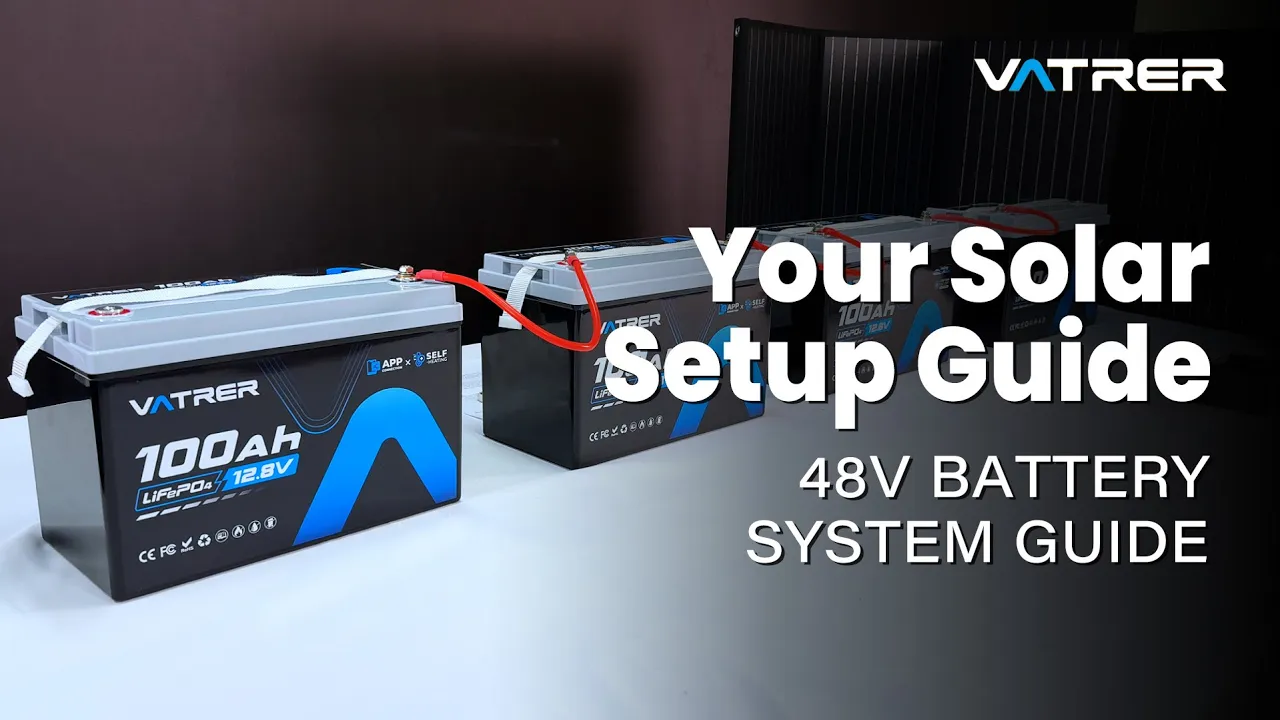
1.1) Select a well-ventilated, dry, and cool area. Ensure adequate air circulation to prevent heat buildup within the battery pack, which can impact its lifespan.
1.2) The ambient temperature must be maintained between 32°F and 131°F. Keep the battery pack away from heat sources, open flames, and flammable or explosive materials to prevent safety hazards caused by high temperatures.
1.3) Do not store or install the battery pack alongside metal objects or conductive materials. Stacking of battery packs is prohibited. Maintain sufficient clearance (≥10cm on all sides) to facilitate ventilation and heat dissipation.
1.4) The installation area humidity must remain below 85% to avoid terminal corrosion and circuit short circuits caused by damp conditions. For outdoor installations, a protective enclosure rated for weather and dust resistance must be installed.
2.1) Charging equipment compatible with the battery pack's specifications must be used.
2.2) Cables and terminals must be selected to meet current load requirements. Wire gauge must be appropriately sized for the actual operating current to prevent overheating due to insufficient wire diameter.
2.3) Components used to secure the battery must be made of non-conductive and non-combustible materials (e.g., plastic brackets, insulated straps). Directly binding the battery pack with metal wires or uninsulated metal brackets is strictly prohibited.
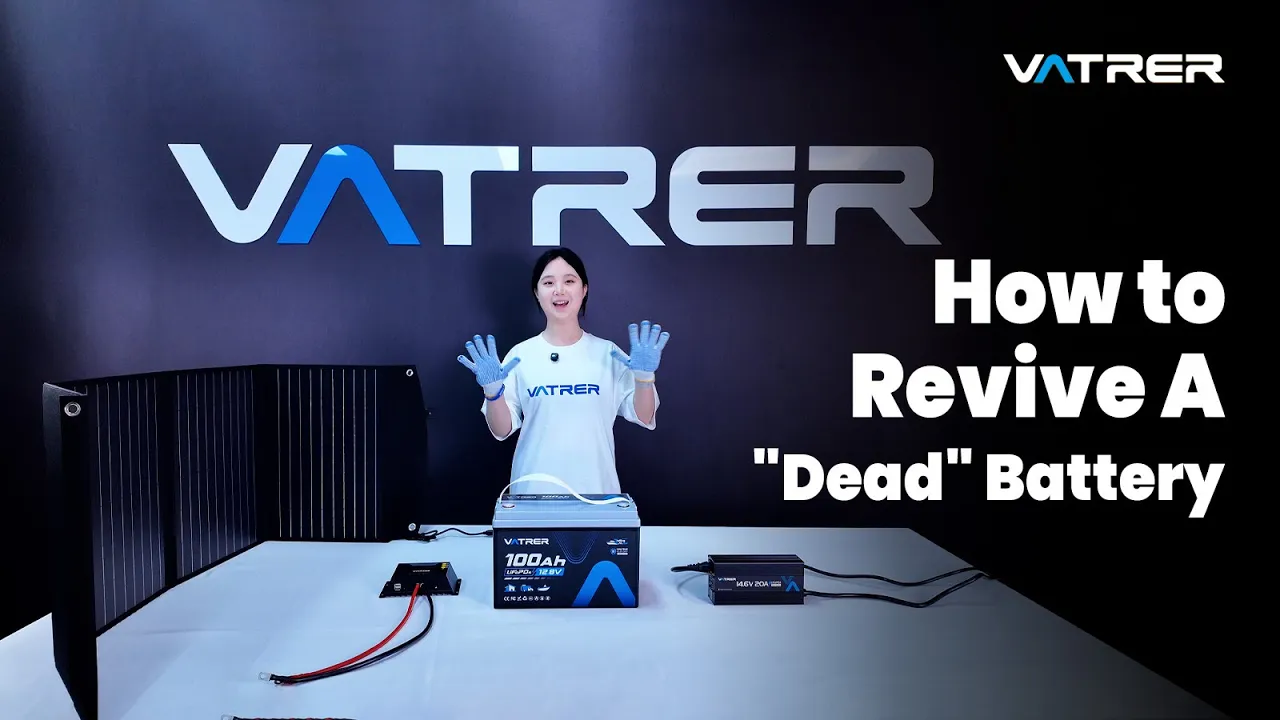
3.1) Installation personnel must read the corresponding product manual and safety usage guide beforehand. Operators must wear insulated gloves and safety goggles. Tools must be fitted with insulated handles to prevent short circuits caused by metal tools contacting the terminals.
3.2) Unauthorized disassembly, modification, or alteration of the battery pack is strictly prohibited.
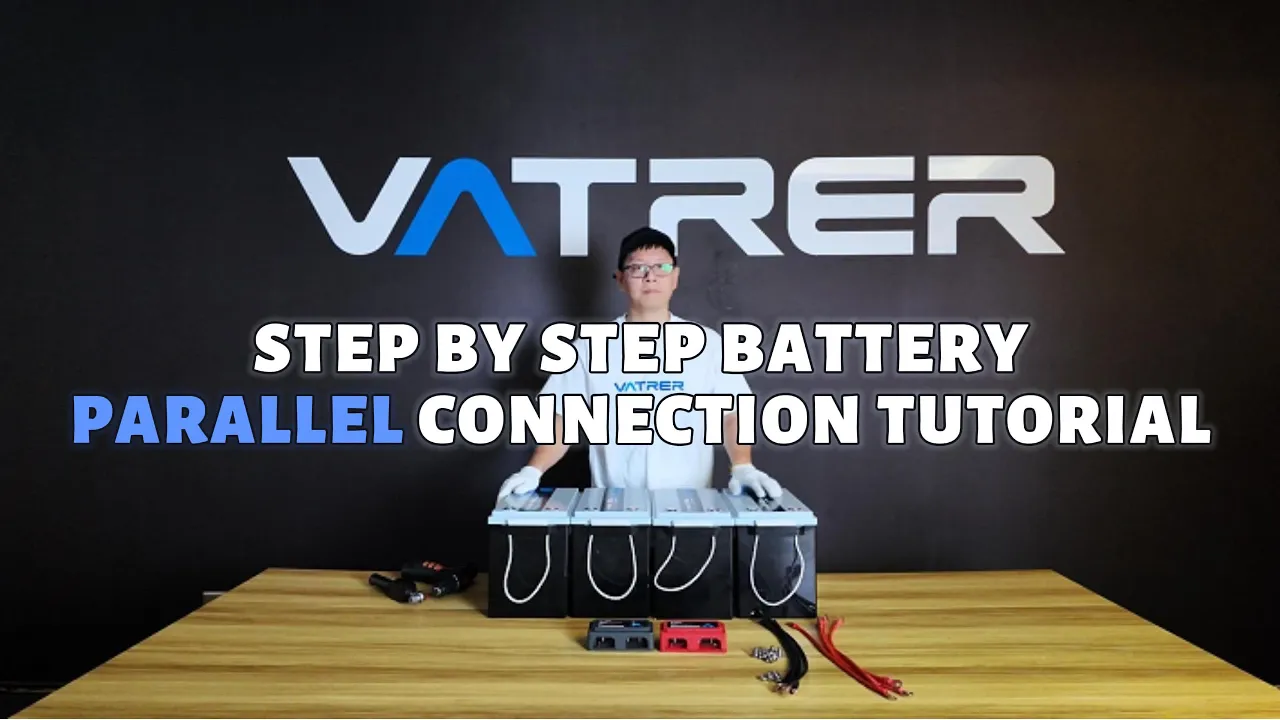
3.3) Before connecting battery packs in series or parallel, the Product Manual must be consulted to confirm that the product supports such configurations. Failure to do so may result in product damage.
3.4) Wiring must follow the principle of securing the battery pack first before making electrical connections. This helps prevent accidental short circuits during the wiring process.
3.5) All terminals and busbar connections must be securely fastened after assembly to prevent loosening, oxidation, or accidental contact. Screws used on the battery pack must incorporate anti-loosening features (e.g., lock washers, thread-locking adhesive) to prevent detachment due to vibration.
3.6) If the battery pack is intended for long-term use in a vibrating operating environment, the tightness of all screws must be inspected monthly.
1.1) Operation at high discharge/charge currents is strictly prohibited in low temperature environments below 14°F. Such conditions can accelerate capacity decay, increase internal resistance, cause abnormal State of Charge (SOC) readings, and may lead to permanent battery damage.
1.2) The maximum continuous charge and discharge currents specified in the product documentation must not be exceeded under any circumstances.
1.3) The battery pack is not designed for use in harsh environments. Exposure to strong acids, strong alkalis, excessive dust, or corrosive gases is prohibited, as these can corrode the housing and internal circuitry.
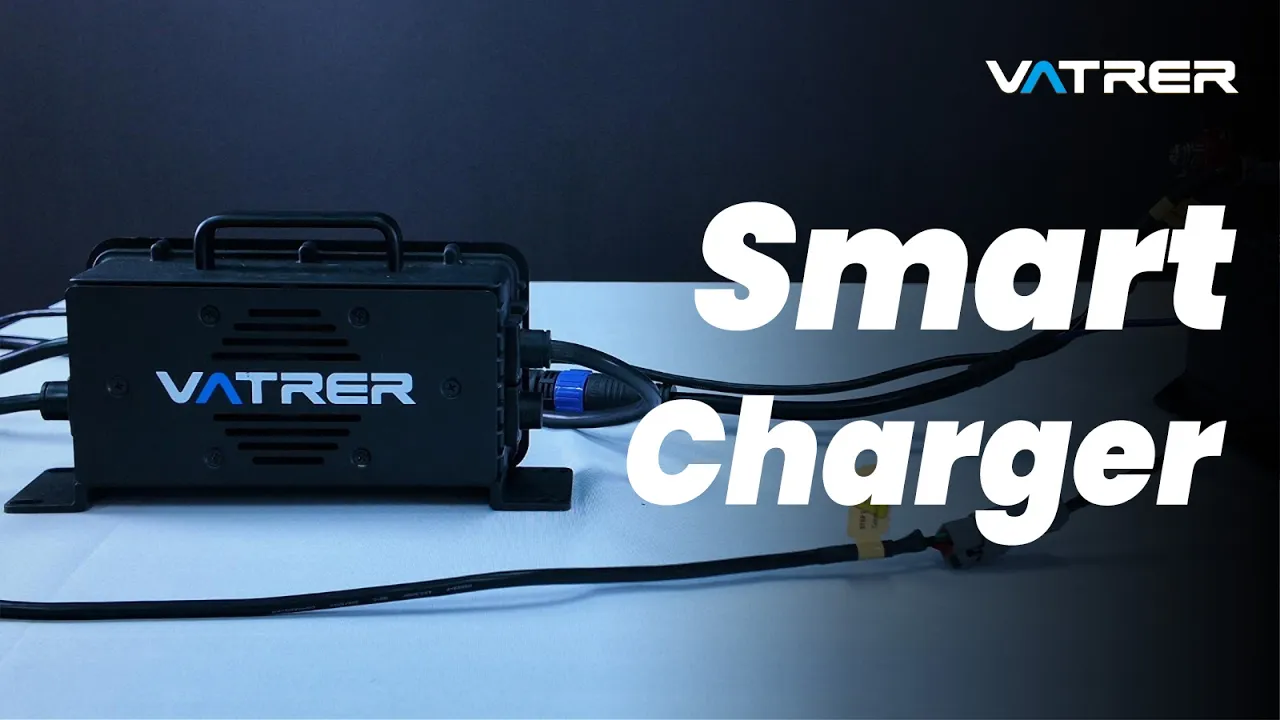
1.1) A dedicated LiFePO4 battery charger, compatible with the specific product model and supporting the CCCV (Constant Current Constant Voltage) charging method, must be used. The use of chargers intended for other lithium-ion battery chemistries is prohibited to prevent overcharging and potential damage.
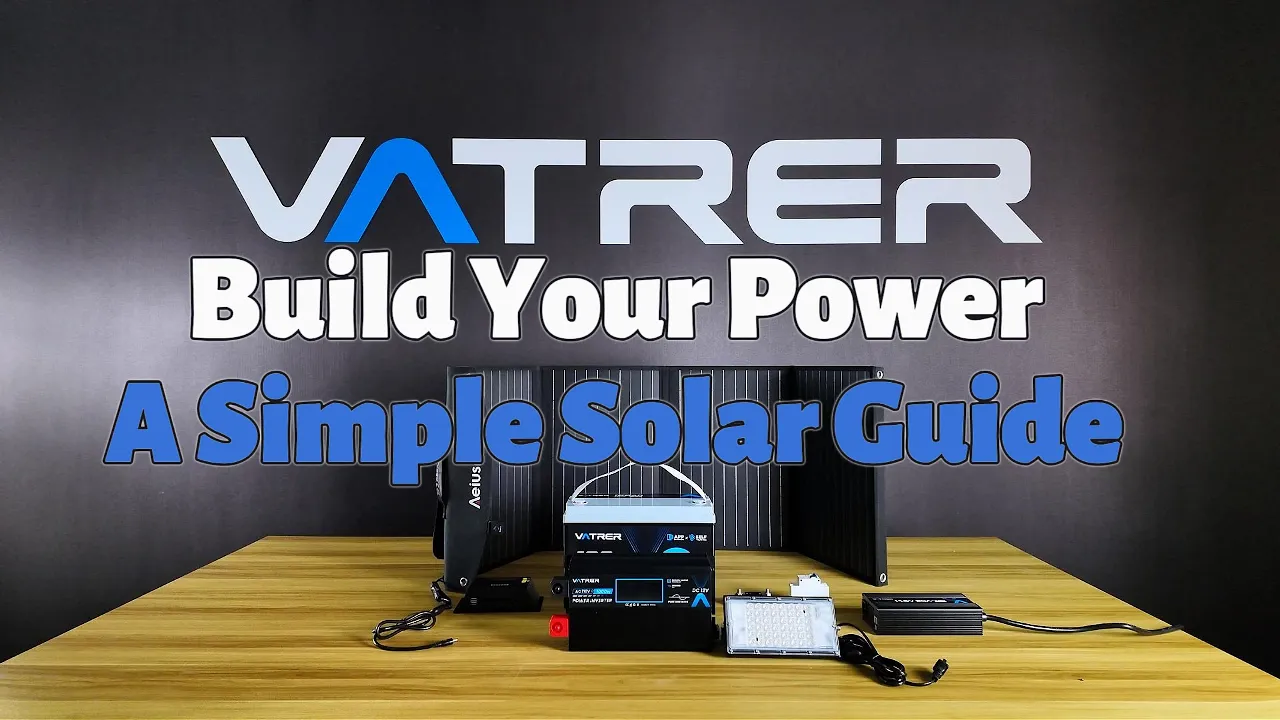
1.2) When using a solar panel for charging, an MPPT (Maximum Power Point Tracking) charge controller must be employed. When charging via a generator, a voltage stabilization circuit must be connected. These measures ensure stable input voltage and prevent the Battery Management System (BMS) from triggering protection mechanisms due to voltage fluctuations, which could disrupt operation.
1.1) Prior to charging, clean the battery pack terminals to remove any dust or corrosive residue. Ensure all connections are secure, without looseness or oxidation, to prevent overheating caused by poor contact.
1.2) Charging must be performed in a well-ventilated area. Charging in high-temperature environments shall be avoided as it accelerates the degradation of the battery pack's lifespan.
1.3) For battery packs without an integrated self-heating function, the pack must be pre-warmed to a temperature above 32°F before initiating charging in low-temperature conditions.
1.4) Do not cover the battery pack or place heat sources near it during charging. Continuously monitor the charging current, voltage, and battery temperature. If abnormal heating or unusual odors are detected, stop charging immediately.
1.5) Initiate charging when the State of Charge (SOC) remains between 20% and 30%. Avoid allowing the pack to remain in a deeply discharged state for extended periods before recharging. Disconnect the charger promptly once charging is complete. Prolonged float charging is prohibited.
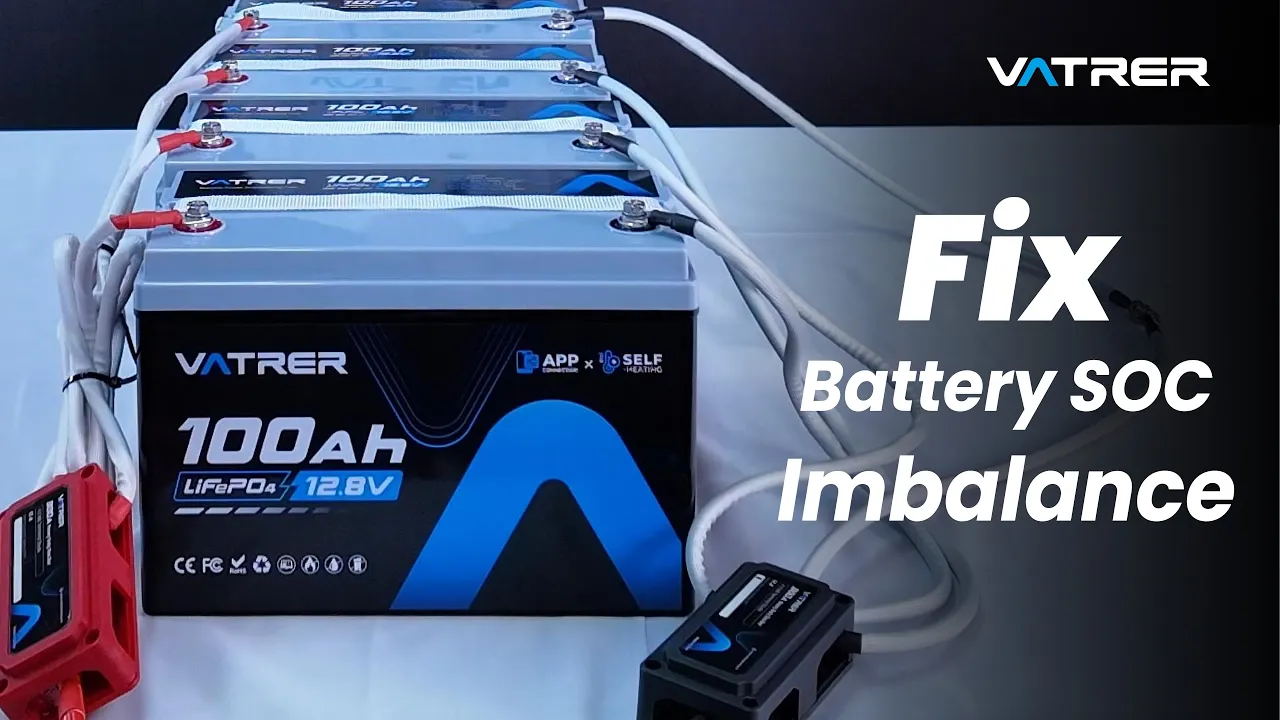
1.6) For battery packs connected in series, it is recommended to perform a balancing charge every 3 to 6 months. This ensures voltage consistency among individual cells and helps extend the overall cycle life of the battery pack.
1.1) Overcharging and reverse polarity charging are strictly prohibited. Do not use non-compliant or cross-compatible chargers that do not match the product's specifications.
1.2) Charging is forbidden if the battery pack shows signs of physical damage, leakage, or abnormal heating.
1.3) Do not connect or disconnect terminals while the charger is actively supplying power, as this may generate arcs and pose a safety risk.
1.4) Unattended prolonged indoor charging is strictly prohibited.
1.1) Swelling or Deformation: Cease use immediately. A swollen battery indicates irreversible internal failure and poses a significant safety risk. Isolate the unit in a secure, open area and contact qualified technical personnel for handling. Do not attempt to dispose of it with ordinary waste.
1.2) Abnormal Temperature Rise: If the battery casing becomes excessively hot during operation or charging, terminate all functions immediately. Relocate the battery pack to a safe, isolated location away from combustible materials and allow it to cool naturally. Under no circumstances should the unit be returned to service.
1.3) Leakage: If electrolyte leakage is detected, avoid all direct physical contact. The electrolyte is highly corrosive. Utilize appropriate personal protective equipment (PPE), including gloves, for handling. Contain and clean any spillage using inert, absorbent materials. In case of skin or eye contact, flush continuously with clean water for at least 15 minutes and seek immediate medical attention.
1.4) Unusual Odor or Smoke Emission: These symptoms indicate a potential thermal runaway or imminent fire hazard. Immediately disconnect the battery from all power and load circuits and isolate it in a safe area if possible without personal risk.
1.5) Significant Performance Degradation: A pronounced and rapid decrease in operational runtime or power output necessitates immediate discontinuation of use. Please contact our technical support team for further guidance.
1.1) Contact our designated technical support line immediately upon observing any of the above abnormalities. The product must not be re-energized or returned to service until a full safety inspection has been conducted and written clearance is provided by authorized personnel.
1.2) Any individual cell identified as swollen, leaking, or physically compromised must be carefully extracted (if safe to do so), placed in a chemically resistant container, and processed exclusively by a licensed hazardous waste or battery recycling facility. Improper disposal, dismantling, or incineration is strictly prohibited by law due to risks of environmental contamination, chemical corrosion, and fire.
1.3) Maintain a detailed log of the incident, including the date/time of occurrence, ambient environmental conditions, operational status/mode prior to the event, and any observable symptoms. This record must be submitted to our support team during the initial contact to facilitate root cause analysis.
1.1) Select a storage environment that is dry, well-ventilated, and cool. The ambient temperature must be maintained between 32°F and 77°F, with relative humidity ≤60%. The storage area must be located away from heat sources, open flames, flammable or explosive materials, and corrosive gases.
1.2) The storage area must be protected from direct sunlight. Do not stack heavy objects on top of battery packs to prevent physical deformation or damage. For outdoor storage, adequate protection against rain, dust, and impact must be provided.
1.1) For both short-term and long-term storage, charge the battery pack to a State of Charge (SOC) between 30% and 50% prior to storage. This SOC range minimizes losses from self discharge and helps prevent capacity degradation associated with over discharge or over-charge during storage.
1.2) Clean the exterior surfaces and terminals of the battery pack to remove any dust, grease, or contaminants. Ensure all terminal connections are secure and cover the terminals with insulated caps to prevent short circuits and corrosion.
1.3) Disconnect the battery pack from the Battery Management System (BMS) and any connected loads. Store the battery pack and its accessories separately to avoid parasitic drain from prolonged connections.
1.1) Short-Term Storage (1-3 months): Check the battery voltage monthly. If the SOC falls below 30%, recharge it to 50%. Inspect the terminals for any signs of corrosion or loosening during these checks.
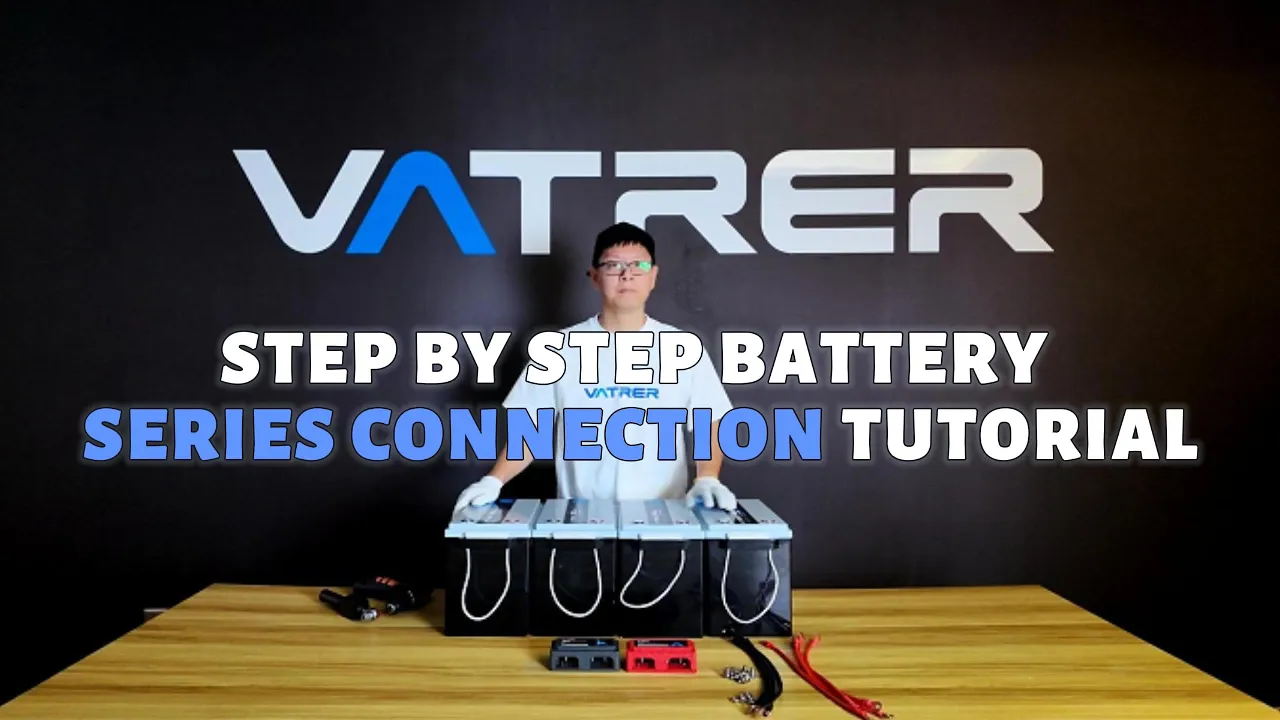
1.2) Long-Term Storage (>3 months): Perform a charge-discharge cycle (charging back to 50% SOC) every 2-3 months to help maintain cell health. Concurrently, inspect the battery pack for any physical abnormalities such as swelling or leakage.
1.3) Preparing for Extended Storage (>6 months): Prior to an extended storage period, charge the battery pack to an SOC between 80% and 100%, then ensure it is fully disconnected from all loads to prevent deep discharge over time.
1.1) Storing the battery pack in a low state of charge (<30% SOC) for extended periods is strictly prohibited. Storage in low-temperature environments below 14°F or high-temperature environments above 104°F is also prohibited.
1.2) Do not store battery packs that are damaged, leaking, or exhibiting abnormal heat. Disassembling battery packs to store individual cells separately is strictly forbidden due to the significant safety hazards involved.