Should I Replace All Golf Cart Batteries at Once?
Reading time: 10 minutes

Share
When your golf cart starts losing range or feels weaker on hills, the first thing most owners think about is golf cart battery replacement. Maybe the cart used to drive around the neighborhood for hours. Now it struggles to make a full round on the course. Charging takes longer. Voltage readings look uneven.
At that moment a common question appears. Should you replace just the bad battery or the entire pack?
In particular, the battery in this article refers to a lead-acid battery. Many owners try to save money by replacing only one battery. It seems logical. If one battery fails, why not swap it out and keep the rest?
In practice, golf cart batteries as a system. Each battery affects the others. A single weak or mismatched battery can change how the battery pack behaves.


How Golf Cart Battery Packs Work
Before deciding how to approach a battery replacement, it helps to understand how golf cart batteries actually power the vehicle. Unlike a car that usually uses one large starter battery, electric golf carts rely on multiple deep-cycle batteries connected together. These batteries work as a coordinated pack.
If you drive around a golf community in Florida, Arizona, or California, most carts you see are running on either 36V or 48V systems. Each system requires several batteries connected in sequence. That means the batteries depend on each other every time you press the accelerator.
Because the pack functions as a single energy source, replacing batteries is rarely a simple one-for-one decision.
Most Golf Carts Use Batteries Connected in Series
A golf cart does not normally run on one lead-acid battery. Instead, it uses several batteries connected in a series circuit to increase voltage. Each battery adds voltage to the system until the total reaches the level required by the motor controller.
Common Lead-acid Golf Cart Battery Configurations
| System Voltage | Typical Battery Setup | Total Batteries |
|---|---|---|
| 36V system | 6 × 6V batteries | 6 |
| 48V system | 6 × 8V batteries | 6 |
| 48V system | 4 × 12V batteries | 4 |
In a series circuit, electricity flows through every battery in order. Each battery carries the same current. That means one battery can't operate independently from the others.
The key point is if one battery becomes weak, the entire electrical chain is affected. The cart motor only receives power equal to the weakest battery in the pack.
Why All Batteries Must Work as One Balanced Pack
Golf cart batteries age together. Over time they lose capacity, and internal resistance increases. A healthy pack maintains similar voltage and capacity across every battery. When that balance disappears, performance problems start showing up during normal driving.
When you are driving through a retirement community where many residents use carts for short trips to the mailbox or grocery store.
If one battery in the pack drops from 8.3 volts to 7.5 volts under load, the entire cart feels slower. The controller still tries to draw the same current. The weaker battery struggles, and voltage sag increases.
This imbalance can create several issues.
- Reduced Range: When one battery holds less energy than the others, it drains faster during use. The pack voltage drops earlier than expected, causing the cart to slow down sooner even though several batteries still contain usable energy.
- Uneven Charging: A charger pushes the same current through every battery. If one battery reaches full charge early while another is still charging, the stronger battery can become overcharged. Repeated cycles accelerate internal damage.
- Accelerated Wear: Imbalanced packs produce extra heat during charging and discharging. Heat increases chemical wear inside lead-acid batteries. Over time the imbalance spreads, and additional batteries begin losing capacity.
In short, a lead-acid battery pack performs best when every battery behaves similarly.
Should You Replace All Batteries During Golf Cart Battery Replacement?
Most technicians and golf cart service centers recommend replacing the entire battery pack when performing a golf cart battery replacement. The reason is simple. Batteries inside the same pack usually age at nearly the same rate.
If your cart has been running the same set of lead-acid batteries for three or four years, all of them have experienced similar charge cycles. Even if only one battery appears to fail first, the others are usually close behind in their life cycle.
Replacing the full set offers several advantages.
- Stable performance: Installing a complete set of matching batteries ensures each unit has similar capacity and internal resistance. That balance allows the motor controller to receive consistent voltage, improving driving smoothness and range.
- Longer lifespan: New batteries working together experience equal charging and discharge patterns. This balance helps maintain healthy chemical reactions and slows the uneven degradation that occurs when old and new batteries are mixed.
- Less maintenance: When batteries are replaced individually, owners often face repeated failures over the following months. Replacing the entire pack at once avoids frequent testing, voltage checks, and additional replacements.
For these reasons, most service shops in the US treat battery packs as a single replacement component rather than individual parts.
What Happens If You Replace Only One Golf Cart Battery
Some owners still choose to replace a single battery. This usually happens when someone wants to reduce immediate cost.
A single lead-acid battery might cost between 120-200 dollars depending on capacity, while a full 48V pack could cost 700-1200 dollars.
At first glance the single battery option appears cheaper. In reality it often creates new performance issues. Because of these factors, replacing only one battery often delays the inevitable full replacement rather than preventing it.
Charge at Different Rates
New batteries have lower internal resistance and higher usable capacity. Older batteries lose both characteristics after years of cycling. When a charger sends current into the pack, the new battery and the older batteries respond differently.
The newer battery tends to accept charge faster and maintain higher voltage stability. Meanwhile the older batteries reach their charge limits sooner or struggle to store additional energy. This mismatch creates uneven charging patterns.
In real-world use, the result may look like this. After a night of charging, one battery reads 8.4 volts while another reads only 8.0 volts. Over time these differences grow larger. The charger continues operating based on pack voltage, not individual battery health.
Repeated imbalance can shorten the life of the new battery surprisingly quickly.
Old Batteries Can Drain the New Battery
Another common issue appears during discharge. Older batteries often have higher internal resistance. When the pack delivers power to the motor, the stronger battery sometimes compensates for weaker ones.
This means the new battery may provide more current than the older batteries in the pack. Over time the stronger battery experiences deeper discharge cycles than the rest. The chemical stress increases and the battery begins aging faster than expected.
Many owners notice this problem after a few months. The new battery that once tested perfectly now begins showing reduced capacity, even though it was installed recently.
Performance Problems Can Appear Quickly
Mixing batteries of different ages can produce unpredictable performance changes. Drivers often report several symptoms during daily use.
- Shorter driving distance despite installing a new battery. The old batteries limit the usable capacity of the entire pack. Even though one battery is new, the cart stops when the weakest battery reaches its minimum voltage.
- Voltage fluctuations when climbing hills or accelerating. Under heavy load the older batteries sag more than the new battery. The motor controller detects the voltage drop and reduces power output to protect the system.
- Uneven battery readings during maintenance checks. Voltage differences of 0.3 to 0.5 volts between batteries become common. These differences indicate imbalance and often signal that the pack is nearing the end of its life.
When Replacing Only One Battery Might Work
- There are limited situations where replacing a single golf cart battery may be acceptable. These cases are uncommon, but they do exist.
- Relatively New Battery Pack: If the batteries have been used for less than one year and a single battery fails due to a manufacturing defect or accidental damage, replacing that individual unit may work without major imbalance issues.
- Identical Replacement Battery: The new battery must match the same brand, voltage rating, amp-hour capacity, and manufacturing type as the original batteries. Differences in chemistry or capacity can cause imbalance immediately.
- Healthy Remaining Batteries: A technician should verify that the remaining batteries maintain similar voltage and internal resistance. If several batteries already show signs of degradation, replacing only one battery will not solve the problem.
Even in these situations, many professionals still monitor the pack closely after the replacement.
Signs You Need a Full Golf Cart Battery Replacement
Golf cart batteries rarely fail suddenly without warning. Most owners notice gradual performance changes first. Recognizing these symptoms early helps determine when a full pack replacement is necessary. Read more: golf cart battery replacement sign
Common Signs of a Failing Golf Cart Battery Pack
| Symptom | Possible Cause |
|---|---|
| Short driving range | Reduced battery capacity |
| Long charging time | Increased internal resistance |
| Uneven battery voltage | Pack imbalance |
| Slow acceleration | Voltage sag under load |
| Corrosion or swelling | Internal chemical degradation |
These warning signs usually appear after three to five years for typical lead-acid batteries. Once several symptoms occur together, replacing the entire battery pack becomes the most reliable solution.
The important point is not just identifying a single weak battery. Instead, focus on how the entire system behaves during real driving and charging conditions.
Single Battery vs Full Battery Replacement: Cost Comparison
Many owners hesitate to replace the entire battery pack because of cost. However, looking at short-term cost alone can be misleading.
Golf Cart Battery Replacement Cost Comparison
| Replacement Option | Estimated Cost | Expected Outcome |
|---|---|---|
| Replace one lead-acid battery | $120 - $200 | Temporary improvement but risk of repeated failures |
| Replace full lead-acid pack | $700 - $1200 | Balanced performance and typical lifespan of 3 - 5 years |
| Upgrade to lithium pack | $1200 - $2500 | 3000 - 5000 cycles and reduced maintenance |
Although replacing one battery costs less upfront, the remaining older batteries often fail within months. Many owners end up purchasing several additional batteries shortly afterward. Over a few years the total cost can exceed the price of a full pack replacement.
Upgrading to Lithium When Replacing Golf Cart Batteries
During a major golf cart battery replacement, some owners choose to upgrade to lithium batteries instead of installing another set of lead-acid batteries. LiFePO4 technology has become increasingly common in golf carts across the United States.
Lead-Acid vs Lithium Golf Cart Batteries
| Feature | Lead-Acid Battery | Lithium Battery |
|---|---|---|
| Cycle life | 300 - 500 cycles | 3000 - 5000 cycles |
| Charging time | 8 - 10 hours | 2 - 5 hours |
| Weight | 60 - 70 lb per battery | 50 - 70 percent lighter |
| Maintenance | Watering and cleaning required | Maintenance free |
The difference becomes noticeable in everyday driving. A lithium-powered golf cart often accelerates more smoothly because voltage remains stable under load. Charging times also drop significantly.
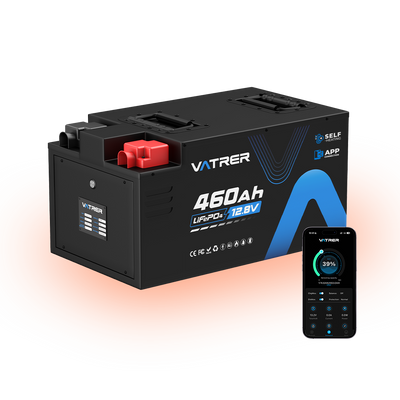
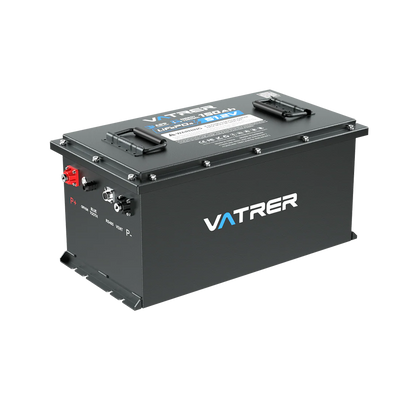
Many owners upgrading their systems choose Vatrer lithium golf cart batteries because they include built-in battery management systems that protect against overcharge, overdischarge, short circuit, and temperature extremes. These batteries typically support more than 3000+ charge cycles.
For golfers, community residents, and resort fleets, this longer lifespan can translate to 8-10 years of reliable operation with minimal maintenance.
Tips to Extend the Life of Your Golf Cart Batteries
Even after installing a new battery pack, proper care plays a major role in how long the batteries last.
- Charge After Every Use: Deep discharge cycles stress lead-acid chemistry and accelerate capacity loss. Regular charging keeps the chemical reactions stable and prevents the sulfation that often reduces battery lifespan.
- Check Terminals Regularly: Corrosion increases electrical resistance and reduces charging efficiency. Cleaning terminals and tightening cables helps maintain stable current flow throughout the pack.
- Monitor Battery Voltage: Measuring each battery periodically allows early detection of imbalance. Identifying voltage differences early can prevent unexpected failures during driving.
- Avoid Extreme Temperatures: Extremely high heat speeds up battery degradation, while freezing temperatures reduce available capacity. Keeping the cart in a garage or covered area helps protect the battery system.
With proper maintenance, lead-acid batteries typically last 3-5 years, while lithium batteries can last much longer.
Conclusions
Golf cart batteries operate as a coordinated system rather than independent parts. Replacing only one battery may appear cheaper, but mixed battery packs often lead to uneven charging, reduced driving range, and repeated maintenance.
For most owners, performing a full golf cart battery replacement provides the most reliable long-term result. A balanced pack ensures consistent voltage, smoother performance, and fewer unexpected failures during everyday driving.
Compared to lead-acid batteries, Vatrer lithium golf cart batteries offer longer cycle life, lighter weight, and maintenance-free operation. For owners who use their golf carts daily, this can significantly improve vehicle performance and reduce long-term ownership costs.
Share