What Are the Advantages and Disadvantages of Lithium Battery
Reading time: 6 minutes

Share
Lithium batteries have become the backbone of modern energy storage systems. From smartphones and laptops to electric cars, golf carts and home solar storage, these batteries power nearly every part of daily life. However, before investing in a lithium battery setup, it's important to understand both its advantages and disadvantages.
Lithium batteries, especially LiFePO4 batteries, offer high energy density, long cycle life, low maintenance, and fast charging capabilities. Yet they also come with higher upfront costs, potential thermal runaway risks, recycling challenges, and performance limits in extreme temperatures. This guide breaks down everything you need to know about their performance, safety, lifespan, and suitability for different applications.

What Are Lithium Batteries
A lithium battery is a rechargeable system that stores energy by moving lithium ions between the positive (cathode) and negative (anode) electrodes during charge and discharge. They are known for their ability to store energy efficiently and maintain a high discharge rate even under heavy loads.
| Type | Description | Typical Applications |
|---|---|---|
| Lithium-ion (Li-ion) | High energy density and compact design. Used in electronics and EVs. | Phones, laptops, electric cars |
| Lithium Iron Phosphate (LiFePO4) | Excellent safety, long cycle life, thermal stability. | Golf carts, RVs, solar systems |
| Lithium-Polymer (Li-Po) | Lightweight, flexible pouch design. | Drones, wearable devices |
Each chemistry offers different balances of safety, capacity, and cost. LiFePO4 batteries, in particular, are gaining popularity due to their superior heat resistance and long service life, making them ideal for off-grid and mobile energy systems.
What Are Advantages of Lithium Batteries
High Energy Density
One of the biggest advantages of lithium batteries is their ability to hold a large amount of energy in a compact size. With an energy density of around 150-250 Wh/kg, lithium batteries outperform lead acid batteries by more than double.
This allows devices and vehicles to run longer on a single charge and remain lightweight, critical for golf carts, electric cars, and portable solar setups.
Long Cycle Life
Lithium batteries provide a remarkably long cycle life, often between 500 and 3,000+ charging cycles, depending on the battery chemistry and depth of discharge. LiFePO4 batteries can last up to 10 years under proper conditions.
A longer battery life means lower maintenance costs and fewer replacements, ideal for long-term investments such as energy storage systems and electric vehicles.
Fast Charging
Another strong point is fast charging capability. Compared with lead acid batteries, which can take 8-10 hours to fully recharge, lithium batteries typically reach 100% in 2-4 hours. Advanced battery chemistries and efficient chargers help reduce downtime for high-demand applications like electric carts, boats, or RVs.
Tips: Always use the battery manufacturer's recommended charger to protect against overheating and to maintain efficiency.
Low Self-Discharge
Lithium batteries have a self-discharge rate of just 0.5-3% per month, much lower than other battery types. This makes them perfect for backup systems, emergency power, or equipment stored for long periods.
No Memory Effect
Unlike older battery chemistries such as NiCd, lithium batteries do not suffer from memory effect. You can charge and discharge them at any point without damaging capacity, making them convenient for users who frequently plug in their devices or rely on partial recharging.
Low Maintenance
Lithium batteries are maintenance-free, meaning there's no need for water refilling, terminal cleaning, or equalization charging as required by traditional lead acid batteries. Integrated battery management systems (BMS) automatically monitor charge and discharge balance, temperature, and voltage, ensuring safety and performance stability.
Better Safety in LiFePO4 Chemistry
Unlike some high-energy lithium-ion batteries (NMC/NCA), LiFePO4 battery are less prone to thermal runaway, making them ideal for family homes, solar storage, and marine environments.
Tips: For high-power systems like golf carts or RVs, always choose batteries with a built-in BMS for automatic thermal and short-circuit protection.
What Are Disadvantages of Lithium Batteries
Higher Initial Cost
While lithium batteries offer better lifetime value, their upfront price remains higher than lead acid batteries. The cost of raw materials such as lithium, cobalt, and nickel contributes to this gap. However, considering their service life, efficiency, and lower maintenance, the total cost of ownership often becomes more favorable over time.
Safety Risks and Thermal Runaway
In rare cases, lithium batteries, particularly high-energy Li-ion variants, can overheat or catch fire if overcharged, physically damaged, or poorly managed. This process, called thermal runaway, occurs when internal temperatures rise uncontrollably.
Tips: Modern systems use protective circuits, pressure vents, and BMS technology to mitigate these risks, but users should still follow safe installation and storage practices. Read related guidance: How to Maintain Lithium Batteries? Are Lithium Batteries Safe?
Temperature Sensitivity
Performance can drop significantly in extreme conditions. At freezing temperatures, charging becomes less efficient, while high heat accelerates aging. LiFePO4 batteries handle heat better but still experience reduced performance below 32°F (0°C).
Tips: In cold climates, look for lithium batteries with built-in self-heating functions or insulation for stable operation.
Gradual Capacity Decline
Over years of use, all battery chemistries experience aging. Repeated charge and discharge cycles lead to reduced capacity and output power. High storage voltage and heat exposure speed up this degradation. Keeping the battery between 20-80% charge and storing it around room temperature can help extend battery life.
Environmental Impact and Resource Concerns
Mining lithium, cobalt, and nickel can create significant environmental impact, including soil degradation and water pollution. Moreover, recycling lithium batteries is complex due to their multiple chemical layers and protective casings.
Raw materials scarcity also raises long-term sustainability questions, prompting researchers to explore alternatives like sodium-ion or solid-state batteries.
Li-ion vs. LiFePO4: Which One Is Right for You
Different battery chemistries prioritize different performance factors. Here's how the two main types compare:
| Aspect | Li-ion (NMC/NCA) | LiFePO4 (LFP) |
|---|---|---|
| Energy Density | Higher (150–250 Wh/kg) | Moderate (90–160 Wh/kg) |
| Cycle Life | 500–1,500 cycles | 2,000–5,000+ cycles |
| Thermal Stability | Moderate (higher fire risk) | Excellent (very stable) |
| Operating Temperature | −4° F to 140° F (−20° C to 60° C) | −4° F to 140° F (−20° C to 60° C) |
| Cost Trend | Higher | Becoming more affordable |
| Best Use | Portable electronics, EVs | Golf carts, RVs, solar, boats |
Tips: Li-ion batteries suit high energy-density applications like smartphones and electric cars. LiFePO4 batteries are safer, more stable, and better suited for stationary or low-speed uses such as golf carts and home solar storage.
Comparison with All Lithium Battery Types
| Feature | Lithium-ion | LiFePO4 | NiMH | Alkaline |
|---|---|---|---|---|
| Energy Density | Very High | Moderate | Medium | Low |
| Cycle Life | 500–1500 | 2000–5000+ | 500–800 | Single use |
| Weight | Light | Light | Moderate | Light |
| Charging Speed | Fast | Fast | Moderate | N/A |
| Maintenance | None | None | Low | None |
| Safety | Moderate | Excellent | Moderate | Safe |
| Cost | High upfront | Moderate | Moderate | Low |
| Environmental Impact | Medium | Low | Medium | Low |
| Best Use | EVs, tools | Solar, RVs, boats | Toys | Remotes |
Why Are Lithium Batteries Expensive
- Raw Materials: The extraction and refinement of lithium, cobalt, and nickel drive up manufacturing costs.
- Manufacturing Process: Precision assembly, quality control, and protective casing increase expenses.
- Quality and Safety Standards: Compliance with UL, CE, and UN38.3 safety certifications adds to cost but ensures reliability.
- Innovation and R&D: Continuous research in battery chemistries and solid-state advancements contributes to higher investment.
- Resource Limitations: Lithium resources are concentrated in few countries, making supply sensitive to global demand.
How to Practical Tips to Extend Lithium Battery Life
- Avoid fully discharging or overcharging the battery.
- Store partially charged (50-60%) if unused for long periods.
- Keep it within moderate temperature ranges (68°F-77°F / 20°C–25°C).
- Clean terminals regularly to prevent corrosion.
- For RVs or golf carts, disconnect batteries during long storage periods to reduce standby drain.
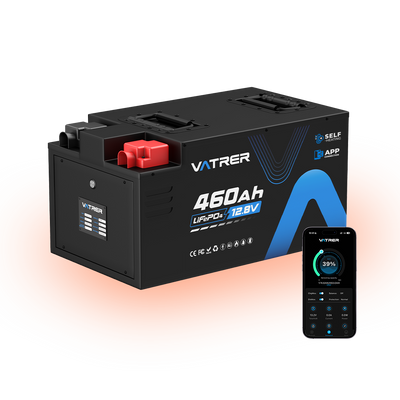
Tips: Vatrer LiFePO4 batteries include smart BMS monitoring or mobile apps to track performance and health in real time.
Conclusion
Lithium batteries have transformed the way we store energy, offering a combination of long service life, high efficiency, and lightweight design. Still, understanding their limitations, such as higher upfront cost, thermal runaway risk, and environmental impact is essential before adopting them for your golf cart, solar energy system, or electric vehicle.
When safety, reliability, and sustainability matter, LiFePO4 batteries provide one of the best balances of performance and security.
Vatrer Battery offers advanced lithium LiFePO4 battery systems featuring smart BMS protection, low-temperature operation, and certified safety standards. Our products are engineered to help you maximize efficiency, extend battery life, and ensure peace of mind across applications.
Final Tips: Choosing the right lithium battery isn't about chasing the newest technology, it's about understanding how each type fits your specific needs. Evaluate your energy demands, budget, and operating environment, and you'll find the perfect balance between power, safety, and longevity.
Share