Are Lithium Batteries Safe? What You Should Know
Reading time: 8 minutes

Share
Lithium batteries have become the power source behind nearly everything we use, from smartphones and laptops to solar systems, RVs, and electric vehicles. But as their popularity grows, so do questions about their safety. News stories about overheating devices or battery fires have caused many users to worry: Are lithium batteries safe to use every day? And how can I protect my equipment and my home?
This guide explains how lithium batteries work, why risks exist, what makes LiFePO4 the safest chemistry, and how to use them safely in your home, RV, boat, or solar system.

What Are Lithium Batteries: Structure and How They Work
A lithium battery is a rechargeable power source that stores energy through the movement of lithium ions between a positive electrode (cathode) and a negative electrode (anode), separated by an electrolyte and a thin membrane called a separator.
During charging, ions move from the cathode to the anode, during discharging, they move back, creating electrical energy that powers your devices.
There are two broad types
- Primary lithium batteries: non-rechargeable (like camera or watch batteries).
- Secondary lithium batteries: rechargeable, commonly known as lithium-ion or LiFePO4 batteries.
These batteries offer high energy density, light weight, and long cycle life, making them ideal for portable devices, electric vehicles, and renewable energy systems.
Are Lithium Batteries Safe and You Must Know
While modern lithium batteries are much safer than traditional lead-acid battery versions, they can still pose risks under certain conditions. Understanding why and when problems occur helps you use them correctly.
Main factors that affect lithium battery safety include
- Thermal runaway: When the battery overheats, internal chemical reactions accelerate, causing more heat and potentially leading to fire or explosion.
- Physical damage: Dropping, crushing, or puncturing a cell can short-circuit its internal layers.
- Overcharging or over-discharging: Charging beyond safe limits or draining too deeply stresses the battery's internal chemistry.
- Improper temperature use: Storing or charging below freezing or above 130°F can cause internal failure.
- Poor-quality manufacturing: Low-grade materials or a lack of quality control can result in instability and leaks.
Tips: Always purchase batteries from reputable lithium battery manufacturers that meet international safety certifications. Inferior cells without quality controls are the most common cause of safety incidents.
Why Not All Lithium Batteries Are the Same
Not every lithium battery is built alike. Different lithium chemistries behave differently in terms of energy density, safety, and lifespan. Knowing these differences helps you make safer purchasing decisions.
- LCO batteries are powerful but sensitive, they heat up quickly if pushed too hard.
- LMO batteries can handle bursts of energy but degrade faster when deeply discharged.
- LiFePO4 batteries, by contrast, use an iron phosphate cathode that doesn't overheat or release oxygen, making them far less likely to ignite even under stress.
Comparing Different Battery Chemistries
| Type | Key Features | Safety Level | Common Uses |
|---|---|---|---|
| LCO (Lithium Cobalt Oxide) | High energy density, compact size | Low (prone to overheating) | Phones, laptops |
| LMO (Lithium Manganese Oxide) | High power output, better stability | Moderate | Power tools, medical devices |
| LiFePO4 (Lithium Iron Phosphate) | Chemically stable, long lifespan, wide temp range | Very High | Solar, RVs, marine, industrial |
That's why LiFePO4 technology, used in products like Vatrer lithium batteries, is now the top choice for applications that demand both performance and safety.
Why LiFePO4 Batteries Are the Safest
LiFePO4 batteries use iron phosphate as the cathode material, which is far more stable than cobalt-based chemistries. This stability prevents oxygen release, a key trigger in battery fires.
Key safety advantages include
- Thermal Stability: The internal structure remains stable even at high temperatures (up to 158°F). Unlike cobalt-based batteries, LiFePO4 does not undergo chain reactions when overheated, minimizing fire risk.
- Chemical Stability: Iron phosphate's molecular bonds are very strong, making it resistant to decomposition. It does not release oxygen, which prevents combustion even in failure conditions.
- Mechanical Strength: LiFePO4 cells are encased in rigid structures that withstand vibration and impact. This design makes them safe for RVs, boats, and other mobile systems where shock and movement are common.
- Broad Temperature Range: Functions efficiently from −4°F to 158°F. Performs well in cold climates and hot environments without losing capacity or safety.
- Integrated Battery Management System (BMS): Real-time monitoring of voltage, current, and temperature. Automatically stops charging/discharging when unsafe conditions are detected.
Together, these design factors make LiFePO4 batteries exceptionally resistant to overheating, fire, and degradation, even under heavy use.
Continue reading to learn more about what is a LiFePO4 battery.
Common Lithium Battery Hazards and Contributing Factors
While modern lithium batteries are generally safe, unsafe situations can still occur, especially with improper use. Therefore, understanding these potential hazards helps prevent accidents.
Most common hazards include
- External heat exposure: Leaving batteries near heat sources or direct sunlight accelerates aging and increases swelling risk.
- Improper charging: Using mismatched or uncertified chargers can cause overvoltage, leading to thermal stress.
- Storage errors: Keeping batteries fully charged for long periods reduces life expectancy and can cause gas buildup.
- Aging or damaged cells: Old batteries accumulate resistance, generating excess heat.
Tips
- Avoid leaving lithium batteries in parked vehicles or devices under direct sunlight.
- Replace any battery that shows swelling, leaks, or odd smells.
- Always follow the recommended charging and storage temperature range (ideally 59°F–86°F).
How Lithium Battery Built-in BMS Enhances Safety
A Battery Management System (BMS) is the most critical feature for lithium battery safety. It's essentially the intelligent control unit that keeps every part of the battery operating safely and efficiently.
What BMS does
- Overcharge Protection: The BMS stops charging automatically when the voltage exceeds the safe limit to prevent overheating or cell rupture.
- Over-discharge Protection: It cuts off output before voltage drops too low, avoiding irreversible cell damage.
- Short Circuit Protection: Detects sudden current surges and disconnects instantly to prevent fires.
- Temperature Monitoring: Sensors track heat levels, if temperatures rise, the system pauses charging or discharging.
- Cell Balancing: Keeps each individual cell's voltage equal, which prevents stress or overloading.
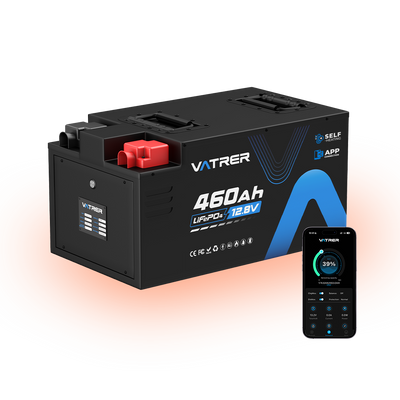
Vatrer LiFePO4 batteries feature a multi-layer intelligent BMS, combining temperature sensors, current controllers, and balancing circuits. This setup ensures long-term stability and prevents thermal runaway even in demanding environments such as off-grid solar systems or marine installations.
How to Ensure Lithium Battery Safety: Best Practices for Daily Use
Even the safest batteries require proper handling. Here are practical tips to keep your lithium batteries safe and extend their lifespan.
Buying the Right Battery and Charger
- Always select batteries that carry UN38.3, CE, UL, FCC, or RoHS certifications.
- Use only chargers designed for lithium batteries or LiFePO4 chemistry.
Charging Safely
- Charge in a well-ventilated area, away from flammable materials.
- Unplug after reaching full charge, don't leave plugged in overnight.
- Maintain 20-80% charge when using daily for better longevity.
Storage and Maintenance
- Store in a cool, dry place, ideally between 59°F and 77°F.
- Check terminals regularly for corrosion or loose connections.
- For long-term storage, keep the battery around 50%-60% charge.
Tips: Perform a quick inspection every few months. If the battery feels hot, bloated, or emits an odor, stop using it and consult your lithium battery manufacturer.
What is the lithium battery's safety performance in applications
LiFePO4 lithium batteries have proven themselves across multiple industries. Their stable chemistry and integrated protection systems ensure dependable operation where safety matters most.
Home and Solar Energy Storage
In solar and residential backup systems, LiFePO4 batteries provide clean, stable, and long-lasting power to store excess solar energy for nighttime or emergency use. Unlike lead-acid batteries that release fumes or require ventilation, LiFePO4 batteries are non-toxic, maintenance-free, and thermally stable, preventing overheating even during prolonged charging cycles. Their integrated BMS continuously regulates current and voltage, ensuring safe operation across daily charging and discharging cycles. This makes them a trusted choice for sustainable homes and off-grid living.
RVs and Off-grid Power Systems
For RV users and off-grid travelers, safety and endurance are essential. LiFePO4 batteries deliver consistent, reliable power for lighting, refrigeration, and onboard electronics, without the voltage drops or overheating risks associated with older battery types. Their lightweight design and vibration-resistant casing make installation easier and safer in mobile setups. The built-in BMS safeguards against overcharging and power surges from generators or solar inputs, while thermal protection ensures stable performance in both desert heat and winter cold.
Marine and Trolling Motors
On boats and trolling motors, LiFePO4 batteries ensure steady energy output, quiet operation, and enhanced safety in humid, high-vibration environments. Their IP-rated waterproof construction and corrosion-resistant materials protect against saltwater damage, while smart thermal control prevents overheating during long fishing or cruising sessions. With lower weight and higher energy density than lead-acid batteries, they improve boat balance and fuel efficiency, all while offering secure, spark-free performance that's vital for marine environments.
Golf Carts and UTVs
In golf carts, LiFePO4 batteries provide consistent voltage and extended range, delivering smooth acceleration and reliable climbing power on varied terrain. They operate cooler, recharge faster, and eliminate hazards like acid leaks or gas emissions. In UTVs, where heavy loads and uneven terrain create extreme demands, LiFePO4 batteries deliver instant torque, high discharge rates, and advanced vibration protection. Their built-in BMS prevents overcurrent and short-circuit damage during rapid acceleration, ensuring both safety and performance in off-road environments.
Tips: Across these applications, the safety performance of lithium batteries ensures peace of mind, especially with lithium iron phosphate battery technology equipped with the Vatrer Battery Management System (BMS). Vatrer also offers self-heating LiFePO4 batteries that maintain battery discharge capacity even below freezing points, avoiding the problem of running out of power in winter.
Environmental and Sustainability Advantages of LiFePO4 Batteries
Safety isn't only about preventing fires, it also includes environmental protection and long-term sustainability.
LiFePO4 batteries are
- Non-toxic and recyclable (no lead or acid).
- Free from cobalt, a controversial and expensive raw material.
- Long-lasting, reducing waste from frequent replacements.
- Compatible with renewable systems, supporting global clean-energy goals.
Switching from lead-acid or traditional lithium-ion batteries to LiFePO4 contributes directly to safer, cleaner energy use.
Conclusion
Lithium batteries are safe when their chemistry, design, and usage practices are properly managed. Modern LiFePO4 batteries represent a major step forward in this regard, they are chemically stable, thermally resilient, and equipped with intelligent protection systems that prevent most risks associated with older lithium technologies.
However, no battery is entirely risk-free. Safety also depends on responsible use, selecting certified products, using compatible chargers, maintaining proper temperatures, and regularly inspecting your system.
Vatrer LiFePO4 lithium batteries combine stable materials with a built-in Battery Management System (BMS) that actively safeguards against overcharging, overheating, and short circuits. For homeowners, RV users, or golf cart owners, this means dependable energy that prioritizes protection and longevity.
Share