How Much Does Solar Panels Cost?
Reading time: 8 minutes

Share
Rising electricity prices, grid instability, and growing awareness of long-term energy planning have pushed many homeowners to seriously consider solar power. Solar panels are no longer viewed as a niche green upgrade. For many households, they are a practical way to stabilize energy costs over the next 20-30 years and reduce dependence on utilities.
However, solar pricing can feel confusing because there is no single fixed number. Quotes vary widely between homes, regions, and system designs. Understanding how solar panel cost is calculated and what drives those differences is essential before making a decision.


Average Solar Panels Cost in the U.S.
In the United States, the average residential solar system typically costs $15,000-$25,000 before incentives, depending on system size and location. After applying federal tax credits and local incentives, many homeowners see their net cost reduced by 25%-35%.
The price of solar systems is usually calculated per watt, which makes it easier to compare prices between different installers and different system sizes. For residential projects, installed prices usually fall between $2.50 and $3.50 per watt. For example, a 6 kW system priced at $3.00 per watt would cost about $18,000 before incentives.
It's important to note that this figure reflects the entire solar panel installation cost, not just the panels. Hardware, labor, permitting, and grid interconnection are all included. Looking only at panel prices often leads to underestimating the true investment.
What Types of Solar Panels Are There?
Not all solar panels are built the same, and panel type affects efficiency, required roof space, and overall system cost.
- Monocrystalline solar panels are the most common option for residential installations. They are made from high-purity silicon, deliver higher efficiency, and perform well even when roof space is limited. Because of their higher efficiency, fewer panels are typically needed to achieve the same system output, which can help control installation complexity.
- Thin-film solar panels are lighter and generally cheaper per panel, but their lower efficiency means more panels and more surface area are required to produce the same amount of electricity. For this reason, thin-film technology is more commonly used in commercial or utility-scale projects where space is less constrained.
Solar Panel Types Cost Comparison
| Panel Type | Typical Efficiency | Price Range (per watt) | Typical Applications |
|---|---|---|---|
| Monocrystalline | 18% - 22% | $0.35 - $0.55 | Residential rooftops |
| Thin-film | 10% - 13% | $0.25 - $0.40 | Commercial, large open areas |
While thin-film panels may appear cheaper upfront, monocrystalline panels usually offer better long-term value for homes because they require fewer panels and less installation space to achieve the same energy output.
Solar Panel Costs by Your State
Solar panel cost varies significantly by state due to differences in labor rates, permitting requirements, sunlight availability, electricity prices, and incentive programs. To illustrate these differences, the table below compares average costs using a 6.5 kW residential system with monocrystalline panels (400W each).
Solar Panel Costs by State
| State | Panels Needed | Avg System Cost (Before Incentives) | Cost per Watt | Avg 20-Year Savings |
|---|---|---|---|---|
| California | 16 - 17 | $18,000 - $20,000 | $2.80 - $3.00 | $45,000 - $55,000 |
| Texas | 16 - 17 | $16,500 - $18,000 | $2.50 - $2.70 | $35,000 - $45,000 |
| Florida | 16 - 17 | $17,000 - $19,000 | $2.60 - $2.90 | $38,000 - $48,000 |
| Arizona | 16 - 17 | $16,800 - $18,500 | $2.60 - $2.80 | $40,000 - $50,000 |
| Illinois | 16 - 17 | $19,500 - $21,500 | $3.00 - $3.30 | $30,000 - $40,000 |
| Maryland | 16 - 17 | $19,000 - $21,000 | $2.90 - $3.20 | $32,000 - $42,000 |
| Colorado | 16 - 17 | $18,500 - $20,500 | $2.80 - $3.10 | $33,000 - $43,000 |
| Ohio | 16 - 17 | $19,000 - $21,000 | $2.90 - $3.20 | $28,000 - $38,000 |
| New Jersey | 16 - 17 | $19,000 - $21,000 | $2.90 - $3.20 | $34,000 - $44,000 |
| Washington | 16 - 17 | $20,000 - $22,000 | $3.10 - $3.40 | $30,000 - $40,000 |
States with high electricity prices and strong sunlight, such as California and Arizona, tend to deliver higher long-term savings, even if upfront costs are moderate. Lower-cost states often have longer payback periods due to cheaper grid electricity.
How Many Solar Panels Do You Need and How Much Do They Cost?
The number of solar panels a home needs depends primarily on annual electricity consumption and panel efficiency. Most modern monocrystalline panels produce 350-400 watts each.
As a general reference:
- A 5 kW system requires about 13-15 panels
- A 7.5 kW system requires about 19-22 panels
- A 10 kW system requires about 25-29 panels
When paired with average U.S. electricity rates, these systems can offset a large portion or even all of a household's annual energy use.
Over a 20-year period, savings can range from $25,000 to $60,000, depending on local utility rates and usage patterns. This long-term benefit is a critical part of evaluating solar panel cost, as upfront pricing alone does not reflect lifetime value.
What Does the Total Solar System Cost Include?
A solar installation is a complete energy system made up of multiple components. Understanding how each component affects the total cost will help you better evaluate quotes.
Solar System Cost Breakdown and Average Cost
| Component | Avg Cost Range | Share of Total Cost |
|---|---|---|
| Solar panels | $6,000 - $9,000 | 30% - 35% |
| Inverter | $2,000 - $4,000 | 10% - 15% |
| Mounting & racking | $1,000 - $2,500 | 5% - 10% |
| Installation labor | $4,000 - $6,000 | 20% - 25% |
| Permits & interconnection | $800 - $2,000 | 5% - 10% |
| Battery storage (optional) | $7,000 - $15,000 | 20% - 35% |
Panels are only part of the equation. Installation labor, electrical hardware, and permitting account for a substantial portion of total solar panel installation cost, which explains why prices can vary even when similar panels are used.
Average Cost to Power a Whole House with Solar Panels
Whole-house solar costs vary by home size and energy usage. Larger homes or homes with electric vehicles, heat pumps, or high air-conditioning demand require larger systems.
Average Whole-House Solar Cost by Home Size
| Home Size | Est. System Size | Panel Count | Cost Before Incentives | Cost After Incentives |
|---|---|---|---|---|
| 1,500 sq ft | 5 - 6 kW | 13 - 15 | $14,000 - $18,000 | $10,000 - $13,500 |
| 2,000 sq ft | 7 - 8 kW | 18 - 20 | $18,000 - $22,000 | $13,000 - $16,500 |
| 2,500 sq ft | 9 - 10 kW | 23 - 26 | $22,000 - $28,000 | $16,000 - $20,500 |
Square footage provides a useful estimate, but actual electricity usage remains the most accurate sizing factor. Two homes of the same size can require very different system capacities based on lifestyle and appliance use.
Solar Panel Installation Methods and Their Costs
Residential solar systems are installed either on rooftops or on the ground. Each method affects total cost and system performance.
Installation costs are influenced by roof pitch, structural reinforcement needs, soil conditions, distance to electrical panels, trenching requirements, and labor complexity.
Solar Installation Methods Comparison
| Installation Method | Total Cost Range | Suitable Scenarios |
|---|---|---|
| Rooftop-mounted | $15,000 - $25,000 | Most homes with adequate roof space |
| Ground-mounted | $18,000 - $30,000 | Homes with large yards or limited roof space |
Rooftop systems are generally more affordable, while ground-mounted systems offer flexibility in orientation and easier maintenance at a higher cost.
Solar Incentives and Tax Credits That Reduce Solar Panels Cost
Incentives play a critical role in reducing the effective cost of solar. The federal Investment Tax Credit (ITC) allows homeowners to deduct a significant percentage of system cost from federal taxes. In addition, many states and utilities offer their own incentives.
State and Local Solar Incentives
| State | Incentive Type | Typical Cost Reduction |
|---|---|---|
| California | Net metering, local rebates | $3,000 - $6,000 |
| New Jersey | Performance-based incentives | $2,000 - $4,000 |
| Illinois | Solar Renewable Energy Credits (SRECs) | $3,000 - $5,000 |
| Texas | Utility rebates (limited) | $1,000 - $2,500 |
| Maryland | State tax credit | $1,000 - $2,000 |
Incentives can significantly shorten the payback period. Always verify whether quoted prices already include these benefits or list them separately.
Do Solar Panels Require Maintenance and Ongoing Costs?
Solar panels are designed for durability and typically require minimal maintenance. Most homeowners only need periodic cleaning to remove dust, pollen, or debris.
Professional cleaning services usually cost $150-$300 per visit, and many systems only require cleaning once every one to two years. Inverters may need replacement after 10-15 years, which is the most common long-term maintenance expense.
Overall, annual maintenance costs are low compared with traditional energy systems.
Best Battery Options to Pair with Solar Panels
Battery storage improves energy independence and provides backup power during outages. The two most common options are lithium batteries and lead-acid batteries.
Lithium vs Lead-Acid Solar Battery Comparison
| Comparison Metric | Lithium Solar Battery (LiFePO4) | Lead-Acid Solar Battery |
|---|---|---|
| Typical upfront cost (10 kWh system) | $6,000 - $10,000 | $3,000 - $5,000 |
| Typical lifespan | 10 - 15 years | 3 - 5 years |
| Usable capacity (Depth of Discharge) | 80% - 90% | 50% - 60% |
| Effective usable energy (from 10 kWh) | 8 - 9 kWh | 5 - 6 kWh |
| Replacement frequency (20 years) | 1× (sometimes none) | 3 - 4× |
| Estimated maintenance cost (20 years) | $0 - $500 | $2,000 - $4,000 |
| Estimated total cost over 20 years (TCO) | $6,000 - $11,000 | $9,000 - $14,000 |
| Cost per usable kWh (lifetime avg.) | $0.08 - $0.12 / kWh | $0.15 - $0.25 / kWh |
While lithium solar batteries have higher upfront costs, their longer lifespan and higher usable capacity often result in lower total cost of ownership over time.
Is the Cost of Solar Panels Worth It for Homeowners?
Solar panels tend to be most cost-effective for homeowners who:
- Plan to stay in their home long term
- Have moderate to high electricity usage
- Live in areas with strong sunlight and stable incentives
For these households, solar often delivers predictable energy costs and meaningful long-term savings. However, homes with limited roof space or very low electricity consumption may need more careful evaluation before investing.
Conclusion
Solar panel cost is not a single number, it reflects system size, location, equipment choices, installation method, and incentive availability. While upfront pricing can seem high, long-term electricity savings, tax credits, and system durability often shift the economics in favor of solar.
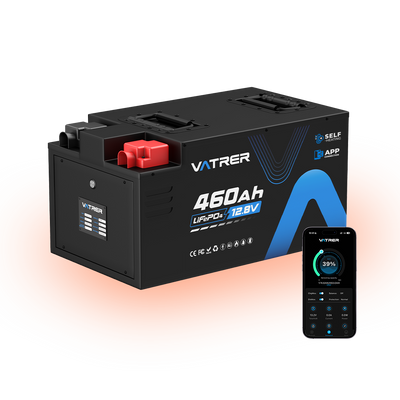
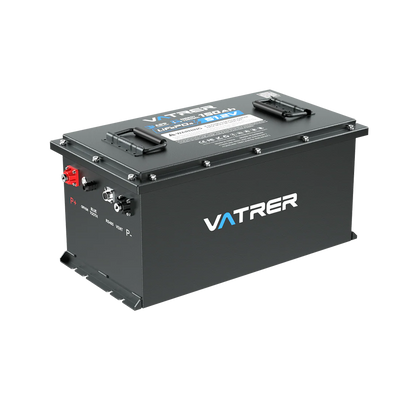
Vatrer Power offers 48V solar batteries that support parallel connection for scalable capacity expansion. These batteries feature built-in BMS protection and allow real-time monitoring through Bluetooth connectivity or an integrated display, making system management more transparent and reliable. Combining panels with a dependable lithium solar battery solution can significantly enhance both performance and energy independence.
Continue reading:
How much is a solar system for a 2000 sq ft house?
What is an off-grid solar power system?
How to set up an off-grid solar system
How much solar battery storage do i need for my off-grid system
Share