What are the Differences Between Lithium Batteries and Regular Batteries
Reading time: 11 minutes

Share
Batteries power more of your daily life than you might realize. Your phone, flashlight, RV electrical system, power tools, even a golf cart all rely on some type of stored energy. Yet many people still ask the same question when choosing a battery. What is the real difference between lithium batteries and regular batteries?
When people compare lithium batteries vs regular batteries, they are usually trying to understand three things. Which one lasts longer? Which one performs better? And which one actually saves money over time?
The answer is not always simple because the term “regular battery” can refer to several types, such as alkaline household batteries or traditional lead-acid batteries used in vehicles and backup power systems.
In this guide you will learn how these battery technologies work, where each one is used, and how their performance compares in real-world situations.

What Are Lithium Batteries?
Lithium batteries store and release energy through the movement of lithium ions between two internal electrodes. During charging the lithium ions move in one direction. During use they move back. This process happens inside a sealed cell and can repeat thousands of times.
You will see several lithium battery chemistries on the market. The most common include lithium ion and lithium iron phosphate. LiFePO4 batteries are widely used today in energy storage systems because they provide stable power and a long cycle life.
A few characteristics make lithium batteries stand out.
High Energy Density
Lithium batteries can store more energy in a smaller and lighter package. That is why smartphones, drones, and portable power stations rely on them. You get longer runtime without increasing the size of the battery pack.
Long Cycle Life
Most lithium batteries support between 2000 and 6000 charge cycles depending on the design and depth of discharge. For example, many LiFePO4 batteries used in RV or solar setups can run for 8 to 10 years under normal conditions.
Rechargeable and Efficient
Lithium batteries accept fast charging and convert energy efficiently. Charging efficiency is often close to 95 percent, which means less wasted electricity and faster recovery time.
Because of these advantages you will often find lithium batteries in applications such as:
- RV power systems
- solar energy storage
- electric vehicles
- marine systems
- golf carts and UTVs
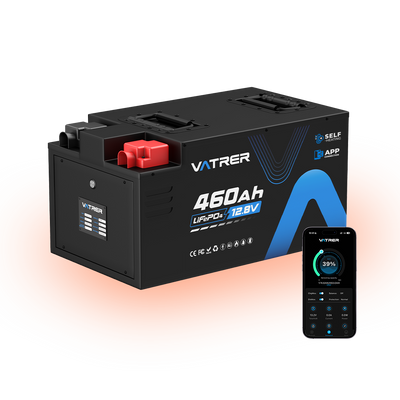
Many modern systems also include smart battery management electronics. For instance, Vatrer lithium batteries include a built-in BMS that monitors voltage, temperature, and current. This keeps the battery operating safely and protects it from overcharging or short circuits.
What Are Regular Batteries?
When people talk about regular batteries, they usually mean two traditional technologies. Alkaline batteries are used in household devices, and lead-acid batteries are used in vehicles or backup power systems.
Both types rely on chemical reactions between electrodes and an electrolyte to produce electricity. Once the chemical reaction slows down, the battery voltage begins to drop, and the battery eventually stops delivering useful power.
Regular batteries still remain common because they are simple and inexpensive. But they behave differently depending on the type.
Alkaline Batteries
These are the disposable batteries you put in remote controls, toys, or flashlights. They are designed for single use. Once the chemical materials inside are consumed, the battery cannot be recharged.
Lead-Acid Batteries
These batteries use lead plates and sulfuric acid to store energy. They are rechargeable and widely used in vehicles, marine systems, and backup power equipment. However, they are heavy and usually last 300 to 500 cycles before their capacity drops significantly.
The discussion around lithium batteries vs normal batteries begins here. Traditional batteries work well for basic tasks, but their limitations become clear when you need longer runtime, lighter weight, or frequent recharging.
Lithium Batteries vs Regular Batteries: Key Differences
To understand the difference between lithium batteries and traditional batteries, it helps to look at several performance factors side by side.
Lithium Batteries vs Traditional Batteries Comparison
| Feature | Lithium Batteries | Regular Batteries |
|---|---|---|
| Typical Chemistry | Lithium ion or LiFePO4 | Alkaline or lead acid |
| Energy Density | High | Moderate to low |
| Weight | Light | Heavy |
| Cycle Life | 2000-6000 cycles | 300-500 cycles |
| Charging Speed | Fast charging | Slower charging |
| Efficiency | Around 90-95 percent | Around 70-85 percent |
| Maintenance | Minimal | Lead acid requires regular watering |
| Typical Uses | Solar systems, RVs, EVs | Household devices, vehicles |
Lithium batteries are increasingly used in modern power systems. They deliver more energy per pound and maintain stable voltage under load. Traditional batteries still work well for simple tasks, but they struggle when the demand for power and cycling increases.
Difference in Battery Lifespan and Performance
Battery lifespan is one of the biggest reasons people start comparing lithium batteries vs regular batteries.
Traditional lead-acid batteries usually last for 3-5 years if you use them in a way. The internal plates of these batteries get worn out bit by bit every time you charge them. When the battery capacity drops to around 70 percent, it starts to lose performance fast.
Lithium batteries behave differently. Because lithium ions move within stable materials instead of dissolving metal plates, the cells degrade much more slowly. A well-designed lithium battery can deliver thousands of cycles while still maintaining strong output.
You will notice the difference in real situations.
A golf cart with lead-acid batteries goes fast at first. Slows down as the batteries run out. This happens because the voltage gets lower as the batteries empty.
Lithium batteries work differently. They keep a voltage for a longer time. So the golf cart keeps going at full power until the batteries are almost empty.
For people who travel in RVs or use power, this steady power is very important. It means their machines work better. They can use more of the battery power.
Energy Density and Power Output Differences
Energy density simply means how much energy a battery can store compared to its weight or size.
Lithium batteries lead in this category. They can store about 150-250 watt-hours per kilogram, while lead-acid batteries usually store only 30-50 watt-hours per kilogram.
What does that mean for you in practice?
Your equipment gets lighter and more portable. A solar battery bank with lithium batteries weighs less than a lead acid system. For example, it may weigh half as much. In an RV this can reduce the vehicle's weight by dozens of pounds. This makes it more efficient. Frees up storage space.
Lithium batteries can also handle discharge rates. They deliver bursts of current without the voltage dropping quickly. This is why electric vehicles, power tools, and golf carts use lithium technology. They need this kind of power to work well. Lithium batteries provide it.
For example, many lithium batteries used in mobile power systems can deliver continuous discharge currents of 100-300 amps depending on the model. Systems designed with high-output lithium batteries, such as the Vatrer Battery, can support demanding loads like inverters, air conditioners, or off-grid appliances without struggling to maintain voltage.
Charging Speed and Efficiency Diffrences
Charging behavior is another major difference in the lithium battery vs traditional battery discussion.
Lead-acid batteries charge in stages and slow down significantly near full capacity. A full charge often takes 8-10 hours depending on the charger and battery size.
Lithium batteries accept charge much faster. Many systems can reach full capacity in 2-5 hours using the correct lithium charger.
Another important factor is charging efficiency. Lithium batteries convert most incoming electricity into stored energy. Lead-acid batteries lose more energy as heat during charging.
In solar energy systems this difference becomes very noticeable. When the sun is available for only a few hours, efficient charging allows lithium batteries to capture more of that energy. This helps maximize the usefulness of the solar array.
Weight and Portability Differences
Weight might not seem important until you try to move a large battery.
Lead-acid batteries are heavy because they contain thick lead plates and liquid electrolyte. A typical 100Ah lead-acid battery often weighs between 60-70 lbs.
A lithium battery with similar usable capacity may weigh 25-30 lbs.
This difference has a big impact in several applications.
RV owners often upgrade to lithium batteries to reduce vehicle weight. Marine systems benefit from lighter battery banks because they improve boat balance and efficiency. Golf carts also gain better acceleration and range when the battery pack becomes lighter.
Lithium batteries make installation easier as well. One person can often install a lithium battery without needing lifting equipment.
Safety Differences Between Lithium and Regular Batteries
Safety is frequently discussed when people compare battery technologies. Some people still wonder if lithium batteries are dangerous.
Modern lithium batteries are designed with several protection systems that improve safety.
Battery Management Systems
Most lithium batteries include a BMS that monitors voltage, current, and temperature. If something abnormal happens, the system disconnects the battery to prevent damage.
Temperature Monitoring
Lithium batteries can shut down charging or discharging when temperatures exceed safe limits.
Cell Balancing
The BMS also keeps individual cells balanced so they charge evenly and avoid overstress.
Traditional batteries have their own safety challenges. Lead-acid batteries can release hydrogen gas during charging. They also contain liquid acid that can leak if the case is damaged.
Because of these improvements, many modern energy storage systems now use LiFePO4 lithium batteries, which are known for stable chemistry and reduced risk of overheating.
Cost Differences and Long-Term Value
Cost is often the biggest factor when choosing between battery types.
At first glance traditional batteries look cheaper. A lead-acid battery may cost a few hundred dollars, while a lithium battery of similar capacity might cost more. However, long-term value tells a different story.
Estimated Cost Comparison Over Battery Lifespan
| Battery Type | Typical Price Range | Average Cycle Life | Estimated Years of Use |
|---|---|---|---|
| Lithium LiFePO4 | $700-1200 | 3000-6000 cycles | 8-10 years |
| Lead-Acid | $200-400 | 300-500 cycles | 3-5 years |
The key point here is replacement frequency. Traditional batteries often need to be replaced several times within the lifespan of a single lithium battery.
For RV travelers, solar users, and electric vehicle owners, lithium batteries can reduce long-
Which Battery Type Is Better for Different Applications?
Different applications require different battery characteristics. Choosing the right type depends on how the battery will be used.
Household Electronics
Remote controls, clocks, and small flashlights often rely on disposable alkaline batteries. In these situations the difference between lithium and alkaline batteries may not justify the higher cost of lithium.
However, devices that draw more power, such as digital cameras or high-performance flashlights, can benefit from lithium batteries because they maintain stable voltage longer.
Solar Energy Storage
Solar systems rely on frequent charge and discharge cycles. Lithium batteries handle these cycles much better than lead-acid batteries and also provide higher efficiency. This allows solar panels to store more of the energy they generate.
RV and Off-Grid Power Systems
RV travelers often upgrade to lithium batteries for three reasons. Reduced weight, faster charging, and greater usable capacity. Lithium batteries can typically use 80-100 percent of their capacity, while lead-acid batteries are often limited to about 50 percent usable energy.
Electric Vehicles and Golf Carts
Vehicles require consistent power output. Lithium batteries maintain stable voltage and support high discharge currents, which improves acceleration and overall performance.
term costs while improving system performance.
When Should You Choose Lithium Batteries?
You should consider lithium batteries when your power system requires reliability, frequent charging, and a long operating life.
Situations where lithium batteries make sense include:
- solar energy storage systems
- RV or camper electrical systems
- marine applications
- electric vehicles or golf carts
- portable power stations
If your goal is long-term performance with minimal maintenance, lithium batteries usually provide the best overall value.
Modern lithium battery manufacturers also continue improving technology. Systems like Vatrer Power's lithium batteries integrate high-quality grade-A cells, smart battery management, and strong discharge capability to support demanding applications such as off-grid living or mobile energy systems.
Conclusion
When comparing lithium batteries vs regular batteries, the main differences come down to energy density, lifespan, charging efficiency, and weight.
Lithium batteries store more energy in less space and maintain stable power over thousands of cycles. Traditional batteries remain useful for simple, low-cost applications, but they require more frequent replacement and deliver lower efficiency.
The real answer to the question are lithium batteries better than regular batteries depends on how you use them. For basic household electronics traditional batteries may still be practical. But for modern energy systems such as solar storage, RV power, or electric vehicles, lithium batteries offer clear performance advantages.
As more people move toward mobile energy and renewable power solutions, lithium battery technology continues to play a larger role.
FAQs
Are Lithium Batteries Better Than Alkaline Batteries?
In many situations, lithium batteries perform better than alkaline batteries, especially in devices that require steady or high power. Lithium batteries typically deliver a more stable voltage and can last much longer in high-drain electronics such as cameras, GPS devices, and advanced flashlights.
Alkaline batteries remain a practical option for low-power household devices like clocks or remote controls because they are inexpensive and widely available. However, when runtime and reliability matter more than upfront cost, lithium batteries often provide better long-term value.
Continue reading: the difference between lithium and alkaline batteries
How Long Do Lithium Batteries Last?
The lifespan of lithium batteries depends on the chemistry, usage conditions, and charging habits. Most modern lithium batteries support 2,000-6,000 charge cycles, which means they can last 8-10 years in many real-world energy systems such as RV power setups or solar battery storage.
Lithium batteries also maintain their capacity better over time compared with traditional batteries. Even after several thousand cycles, many lithium batteries still retain more than 70-80 percent of their original capacity.
Read more about how long lithium batteries last, including tips on charging habits and battery maintenance that help extend battery life.
Can Lithium Batteries Replace Lead-Acid Batteries?
Yes, lithium batteries can often replace traditional lead-acid batteries in many applications, including RV power systems, solar energy storage, marine systems, and golf carts. In fact, upgrading from lead acid to lithium is one of the most common battery upgrades today.
Lithium batteries are typically 40-60 percent lighter, support much deeper discharge levels, and charge significantly faster than lead-acid batteries. This means you can get more usable energy from the same battery capacity.
However, before replacing a lead-acid battery, it is important to verify system compatibility, such as charging voltage, inverter requirements, and battery management protections.
Share