What Is The 90 Degree Rule In Golf?
Reading time: 11 minutes

Share
The 90-Degree Rule in golf is one of the most common golf cart rules used by courses, yet it's also one of the most misunderstood. It's not about your golf swing or scoring, it's about how you drive a golf cart on the course and how your actions affect turf conditions. Understanding this rule helps you avoid mistakes, protect the course, and show proper golf etiquette.
This guide breaks down what the 90-Degree Rule is, how to follow it correctly, when it applies, and why it matters, so you can play with confidence the next time you tee off.
What Is the 90 Degree Rule in Golf?
The 90-Degree Rule in golf is a course-specific golf cart rule designed to protect the turf. When this rule is in effect, golfers must keep their carts on the cart path most of the time and only drive onto the fairway at a 90-degree angle to reach their golf ball.
In simple terms, think of it like crossing a street, you don't wander diagonally across traffic, you cross directly, then continue on your way. The same logic applies here. You drive straight along the cart path, turn at a right angle toward your ball, and then return straight back to the path after your shot.
It's important to note that this is not a universal rule set by the USGA. Instead, it's a local rule enforced by individual golf courses, usually based on course conditions and weather. The rule primarily applies to golf carts, not walking golfers.
In practice, this rule is less about restriction and more about traffic control. By limiting how carts move across the fairway, courses can distribute wear more evenly and avoid concentrated damage in high-traffic landing areas.


How the 90-Degree Rule in Golf Works on the Course
When the 90-degree rule is in effect, the way you drive your golf cart should follow a specific pattern. You stay on the cart path until your cart lines up horizontally with your ball. At that point, you turn directly onto the fairway at a right angle, drive straight to the ball, and park.
After hitting your shot, you return to the cart path using the same straight-line approach. The goal is to minimize the amount of time and distance the cart spends on the fairway, especially in sensitive areas.
Most courses will notify players through signs, starter announcements, or scorecard notes. Even if you've played the course before, it's always worth checking, conditions change daily, and so do cart rules.
Many modern courses also display cart rules on GPS-enabled cart screens or mobile apps. Taking a few seconds to confirm the rule before your round can help you avoid unnecessary violations.
Why Golf Courses Use the 90 Degree Rule
Golf courses use the 90 Degree Rule primarily to protect the health of the turf. When carts drive freely across the fairway, they tend to follow similar paths, especially near popular landing zones. Over time, this repeated traffic can damage grass, compact soil, and create worn areas.
This rule becomes especially important after rain or during periods of high moisture. Wet turf is far more vulnerable to damage, and tire tracks can linger long after the round is over. By limiting where and how carts enter the fairway, courses can spread out wear and maintain better playing conditions.
In short, the 90-degree rule is a compromise, it allows cart usage while still preserving the course for everyone.
From a maintenance perspective, unrestricted cart traffic can significantly increase repair costs and recovery time. Compacted soil reduces root growth and water absorption, which affects turf health over multiple weeks, not just a single round.
How the 90 Degree Rule Helps Course Maintenance
From a course management perspective, the 90 Degree Rule is not just about player behavior, it’s a key tool for controlling long-term turf health and maintenance workload.
Golf courses deal with concentrated traffic patterns, especially in landing zones where most balls come to rest. Without control, carts repeatedly drive over the same areas, leading to soil compaction, weakened root systems, and visible turf thinning. These areas can take weeks to recover, especially during peak season.
By forcing carts to enter and exit at controlled points, the 90 Degree Rule spreads traffic more evenly across the fairway. This reduces localized stress and allows turf to recover more naturally without intensive intervention.
It also directly impacts maintenance cost and labor. Repairing damaged fairways often requires reseeding, irrigation adjustments, and temporary restrictions, all of which increase operational workload. In contrast, controlled cart movement helps maintain consistent playing conditions with less downtime.
In simple terms, the rule is not just protecting today’s round, it’s protecting the course over an entire season.
When Is the 90 Degree Rule in Effect
The 90 Degree Rule is not permanent and is usually enforced only under certain conditions. Most commonly, you'll see it in effect:
- After rainfall
- Early in the morning when turf is still damp
- During seasonal maintenance periods
- When the course is experiencing heavy traffic
Because these factors change frequently, the rule may apply one day and not the next. Never assume based on a previous round. Always check course signage or ask staff before heading out.
How to Quickly Identify Cart Rules Before You Play
Knowing whether the 90 Degree Rule is in effect before you start your round can save you from confusion and unnecessary mistakes.
Most courses provide clear indicators, but they are not always in the same place. The most common way is through signage at the clubhouse or near the first tee. These signs usually display daily cart rules based on current turf conditions.
Many modern golf carts are also equipped with GPS screens that display real-time course rules, including whether the 90 Degree Rule or Cart Path Only is active. This is one of the most reliable sources during your round.
Starter briefings are another important checkpoint. Before tee-off, staff often inform players about course conditions and cart restrictions for the day. If you are unsure, asking directly takes only a few seconds and avoids issues later.
Some courses also update rules through their mobile apps or booking platforms. Checking these in advance is especially helpful if you are playing at a new or unfamiliar course.
As a general rule, never rely on memory from a previous round. Cart rules can change daily depending on moisture levels, weather, and maintenance schedules.
90 Degree Rule in Golf vs Cart Path Only
Many golfers confuse the 90 Degree Rule with Cart Path Only, but they are not the same. The difference lies in how much freedom golfers have when using carts.
| Rule Type | Fairway Access | Flexibility | Typical Conditions |
|---|---|---|---|
| 90 Degree Rule | Limited (direct entry only) | Moderate | Damp turf, light rain |
| Cart Path Only | None | Very Low | Heavy rain, turf damage |
The 90 Degree Rule allows controlled access to the fairway, while Cart Path Only completely restricts carts to paved paths. If you're allowed to use the 90 Degree Rule, consider it a more flexible alternative rather than a strict limitation.
What Happens If You Don't Follow the 90 Degree Rule in Golf
Ignoring the 90-degree rule can lead to more than just dirty looks. Most courses take turf protection seriously, and violations often come with consequences.
At a minimum, you may receive a verbal warning from course staff. Continued disregard can result in being restricted to Cart Path Only, or in some cases, being asked to stop using a cart altogether. Beyond penalties, there's also the matter of golf etiquette. Failing to follow cart rules reflects poorly on a player and can affect the experience of others.
Respecting the rule shows awareness, responsibility, and consideration for the course and fellow golfers.
Common Mistakes When Following the 90 Degree Rule
Many golfers don’t intentionally break the rule, but small habits can lead to unnecessary turf damage.
Turning too early is one of the most common mistakes. Players often drive onto the fairway before aligning with their ball, increasing the distance traveled on grass. Driving diagonally instead of making a clean 90-degree turn is another frequent issue, which spreads tire pressure across a wider area.
Repeated trips also create unnecessary wear. Instead of planning ahead, some golfers return to the cart multiple times, doubling the impact on the turf. Even something as simple as leaving the cart parked on soft or low ground for too long can contribute to damage.
Being aware of these habits helps reduce impact without slowing down your round.
How to Apply the 90 Degree Rule in Different Situations
Not every shot lies on a clean, flat fairway. Adjusting how you follow the rule based on terrain is just as important.
When your ball is in the rough, many courses restrict cart entry entirely or expect you to stay on the path. Driving into thicker grass can cause more damage due to increased resistance and tire spin.
On uphill or downhill lies, traction becomes a factor. Sudden acceleration on slopes can cause wheels to spin, especially on damp grass, leading to visible turf damage. In these cases, it’s better to walk.
Near bunkers or wet areas, it’s best to avoid driving onto the fairway at all. Even if technically allowed, these zones are more fragile and more easily damaged.
Practical Tips to Follow the 90 Degree Rule Efficiently
Following the 90 Degree Rule doesn't have to slow down your round. A little awareness goes a long way. Always watch for signs and plan your approach before reaching your ball.
Coordinate with your playing partners so multiple golfers can walk to their balls at once, reducing unnecessary cart movement. Avoid lingering on the fairway with the cart, and park on higher, drier ground whenever possible.
Efficiency and care are the keys, once you get used to it, the process becomes second nature.
How Golf Cart Performance Affects Compliance With the 90 Degree Rule
The way a golf cart performs can significantly influence how easily golfers follow the 90 Degree Rule. Frequent starts, stops, and short drives are part of the process, and carts that respond smoothly make a noticeable difference.
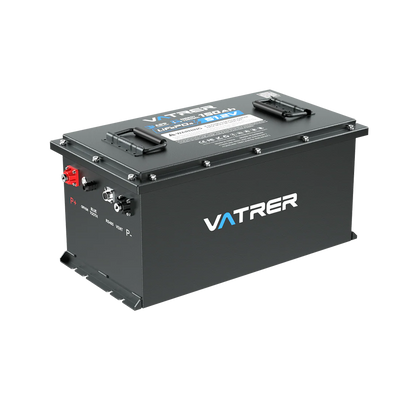
Carts powered by modern lithium golf cart batteries tend to handle these conditions better. Stable power delivery helps with controlled acceleration and precise steering, reducing unnecessary turf stress. Lighter battery systems also place less overall weight on the grass.
A typical lead-acid battery system can weigh around 300–400 lbs, while a lithium setup may reduce that weight by 50% or more. Lower weight translates directly into reduced ground pressure, which helps minimize soil compaction and long-term turf damage.
In addition, lithium golf cart batteries provide a more stable voltage output. This allows smoother acceleration during start-stop driving, reducing sudden torque spikes that can tear or stress the grass, especially in wet conditions.
Other Golf Cart Rules You May Encounter
In addition to the 90 Degree Rule, golfers may encounter several other golf cart rules depending on course layout, turf conditions, and seasonal maintenance needs. While these rules may look different on the surface, they all share the same core goal: protecting the golf course while maintaining smooth play.
Comparison of Common Golf Cart Rules Table
| Golf Cart Rule | Where the Cart Can Go | Level of Restriction | Typical Situations |
|---|---|---|---|
| 90 Degree Rule | Cart path most of the time; limited fairway access at a right angle | Medium | Damp turf, light rain, early mornings |
| Cart Path Only | Cart path only, no fairway access | High | Heavy rain, severe turf damage |
| No Carts on Par 3s | Restricted from par 3 holes entirely | Medium | Short holes with sensitive green surrounds |
| Restricted Areas | Specific zones marked as off-limits | Variable | Near greens, bunkers, or newly repaired turf |
| Seasonal Cart Restrictions | Varies by season or maintenance schedule | Variable | Overseeding, course renovations |
Understanding how these rules differ helps golfers adjust quickly, avoid unintentional violations, and plan their movement more efficiently during a round.
Conclusions
The 90 Degree Rule in golf is a simple concept with a meaningful purpose. By understanding how it works and why it exists, golfers can protect the course, avoid penalties, and demonstrate proper etiquette.
For golfers and course operators alike, smoother cart control, reduced turf pressure, and consistent performance all contribute to better compliance with course rules. Lithium battery systems, such as Vatrer LiFePO4 batteries, support stable acceleration and lighter vehicle weight, helping reduce turf impact during frequent start-stop driving.
FAQs
Can You Drive Directly To Your Ball Under The 90 Degree Rule?
No. You must stay on the cart path until you are aligned with your ball, then enter the fairway at a 90-degree angle. Driving directly across the fairway or diagonally is not allowed and can damage the turf.
Is The 90 Degree Rule Mandatory On All Golf Courses?
No. The 90 Degree Rule is a local rule, not a universal standard. Each course decides when to enforce it based on turf conditions, weather, and maintenance needs. Always check signage before your round.
What Is The Difference Between The 90 Degree Rule And Cart Path Only?
The 90 Degree Rule allows limited fairway access by entering at a right angle, while Cart Path Only means you must keep your cart on the path at all times with no fairway access.
Why Do Golf Courses Use The 90 Degree Rule After Rain?
Wet turf is more vulnerable to damage and soil compaction. Limiting cart movement to controlled entry points helps prevent deep tire tracks and long-term grass damage.
Do Lithium Golf Cart Batteries Help Follow The 90 Degree Rule Better?
Yes. Lithium batteries provide more stable power and smoother acceleration, which makes it easier to control the cart during frequent start-stop movements. Their lighter weight also reduces pressure on the turf, helping minimize damage.
Share