How Much Do 48V Golf Cart Batteries Cost?
Reading time: 6 minutes

Share
48V golf carts are widely used across golf courses, gated communities, resorts, campuses, and private properties. Compared with older 36V systems, 48V carts deliver better torque, smoother acceleration, and higher overall efficiency, which is why they have become the industry standard.
As these carts age, battery replacement becomes unavoidable. However, many owners quickly realize that the cost of a 48V golf cart battery system can vary dramatically. Understanding where these price differences come from is essential before making a purchase decision.
This guide explains how much 48V golf cart batteries cost, why prices vary, and how to choose the right option based on budget, usage frequency, and long-term value.


How Much Do 48V Golf Cart Batteries Cost on Average?
The average cost of a 48V golf cart battery system depends primarily on the battery technology being used. While all 48V systems deliver the same voltage, the internal chemistry, expected lifespan, and maintenance requirements vary widely, which is why pricing can range from under a thousand dollars to several thousand.
Average 48V Golf Cart Battery Cost by Battery Type
| Battery Type | Typical Price Range (48V System) | What the Price Reflects |
|---|---|---|
| Flooded Lead-Acid | ~$800–$1,500 | Lowest purchase cost, higher upkeep |
| AGM | ~$1,500–$2,500 | Maintenance-free, moderate lifespan |
| Lithium (LiFePO4) | ~$2,500–$4,500+ | Long lifespan, high efficiency |
In most cases, flooded lead-acid batteries represent the lowest upfront investment, AGM batteries fall into a mid-range category, and lithium LiFePO4 batteries sit at the higher end of the market. These price ranges typically reflect the cost of a complete 48V battery system, whether that means multiple batteries wired together or a single integrated lithium unit.
Cost Differences by 48V Battery Type: Lead-Acid, AGM, and Lithium
Flooded lead-acid batteries are the most traditional option. A typical 48V setup uses multiple batteries, commonly six 8V or four 12V units. Their low initial price is attractive, but regular maintenance such as watering and terminal cleaning is required, and performance tends to decline faster over time.
AGM batteries are sealed lead-acid batteries that eliminate watering and reduce corrosion. They cost more than flooded lead-acid batteries but offer cleaner operation and less day-to-day attention. However, AGM lifespan is still limited compared with lithium.
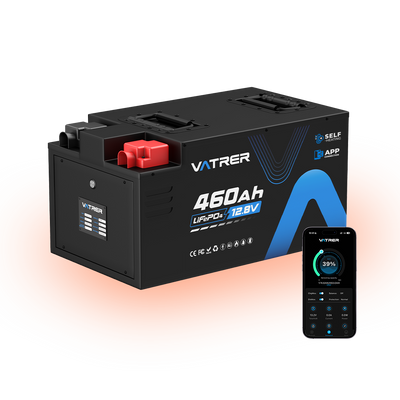
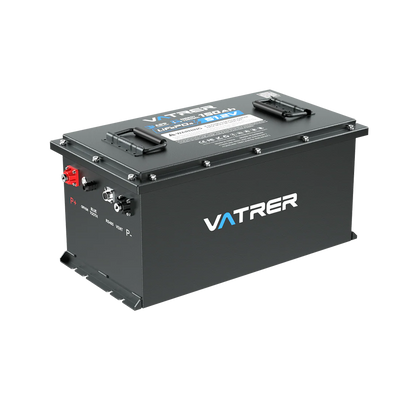
Lithium LiFePO4 batteries are usually sold as a single integrated 48V unit with a built-in battery management system (BMS). While the 48-volt golf cart battery price is higher upfront, lithium batteries charge faster, weigh significantly less, and maintain consistent power output throughout their lifespan.
What Factors Affect the Cost of a 48V Golf Cart Battery?
In addition to voltage, there are several factors that affect the price of a 48V golf cart battery:
- Battery Type: Lead-acid, AGM, and lithium chemistries differ in materials, safety design, and usable lifespan.
- Capacity (Ah / kWh): Higher capacity provides longer driving range but increases cost.
- Brand & Build Quality: Reputable brands with proven quality control often cost more but reduce failure risk.
- Features & Protection: Built-in BMS, safety protections, and smart monitoring add value.
- Plug-and-Play Design: Kits that include wiring, mounting brackets, and displays reduce installation effort but cost more.
- Weight: Lighter batteries reduce strain on the cart and improve efficiency.
- Energy Density: Higher energy density requires advanced materials, increasing price.
When you understand these factors, it's clear why the prices of two 48V batteries can be very different.
Additional Costs to Consider When Buying a 48V Battery
Beyond the battery itself, several additional expenses can affect the total upfront cost.
Total Initial Investment for Different Types of 48V Batteries
| Battery Type | Battery Cost | Charger Upgrade | Installation & Labor | Conversion/Modification | Total Initial Cost Range |
|---|---|---|---|---|---|
| Flooded Lead-Acid | $800 – $1,500 | $0 – $200 | $200 – $400 | $0 | ~$1,000 – $2,100 |
| AGM | $1,500 – $2,500 | $0 – $300 | $200 – $400 | $0 | $1,700 – $3,200 |
| Lithium (LiFePO4) | $2,500 – $4,500 | $300 – $700 | $200 – $500 | $0 – $300 | ~$3,000 – $6,000 |
Although lithium battery upgrades may require a compatible charger and minor installation adjustments, increasing initial investment. However, these added costs are often offset by reduced maintenance and fewer replacements over time.
48V Golf Cart Battery Replacement Cost vs Long-Term Cost
To understand real ownership cost, it's important to compare initial purchase, maintenance, replacement frequency, and long-term total cost.
48V Golf Cart Battery Cost Comparison Over 10 Years
| Battery Type | Initial Purchase Cost | Maintenance Cost (10 yrs) | Replacement Cost (10 yrs) | Estimated 10-Year Total Cost |
|---|---|---|---|---|
| Flooded Lead-Acid | $800 – $1,500 | $600 – $1,000 | $1,600 – $3,000 | ~$3,000 – $5,500 |
| AGM | $1,500 – $2,500 | $200 – $400 | $1,500 – $2,500 | ~$3,200 – $5,400 |
| Lithium (LiFePO4) | $2,500 – $4,500 | Minimal ($0 – $200) | $0 – $500 | ~$2,700 – $5,200 |
Although lithium batteries cost more upfront, their long lifespan and minimal maintenance often result in a lower or comparable total cost over 10 years compared with lead-acid and AGM systems.
Common 48V Golf Cart Battery Configurations and Prices
Different battery types are commonly offered in specific configurations designed to meet typical driving needs.
Common 48V Golf Cart Battery Configurations Prices
| Battery Type | Common Configuration | Price Range | Best Application |
|---|---|---|---|
| Flooded Lead-Acid | 6×8V or 4×12V | $800 – $1,500 | Low-frequency, budget-focused use |
| AGM | Multi-battery AGM set | $1,500 – $2,500 | Maintenance-free alternative to lead-acid |
| Lithium (LiFePO4) | 48V 100Ah | $2,500 – $3,500 | Daily residential driving |
| Lithium (LiFePO4) | 48V 105Ah | $3,000 – $4,500 | Extended range, frequent use |
Lead-Acid vs Lithium vs AGM: Which Is Right for You?
Instead of focusing on battery chemistry, choose the right 48V golf cart battery by considering your actual golf cart usage and your long-term priorities. You can choose based on the following key considerations depending on your situation.
How Often Do You Use Your Golf Cart?
- If your golf cart is used occasionally or seasonally, for example, for weekend driving or short trips within a community, lead-acid or AGM batteries are often sufficient.
- If your cart is used daily, for long distances, or for commercial purposes, lithium batteries usually make more sense due to their durability and stable performance.
What Is Your Budget Priority: Upfront Cost or Long-Term Value?
- Lead-acid batteries offer the lowest upfront cost, making them attractive when the budget is tight.
- AGM batteries cost more initially but eliminate routine maintenance.
- Lithium batteries require the highest initial investment, but their long lifespan often results in lower total ownership cost over several years.
How Much Maintenance Are You Willing to Handle?
- Lead-acid batteries require regular watering, cleaning, and monitoring.
- AGM batteries are sealed and maintenance-free but still share some limitations of lead-acid chemistry.
- Lithium batteries require virtually no routine maintenance and are managed automatically by an internal battery management system (BMS).
What Level of Performance Do You Expect?
- Lead-acid and AGM batteries may experience voltage drop as they discharge, leading to reduced speed and torque.
- Lithium batteries deliver consistent power output from full charge to near empty, improving acceleration, hill-climbing ability, and overall driving feel.
How Long Do You Plan to Keep the Cart?
- If you plan to keep your cart only a few years, lead-acid or AGM may be cost-effective.
- If you plan to keep the cart long-term or want to avoid multiple battery replacements, lithium batteries are usually the smarter choice.
In short, lead-acid batteries are best for budget-conscious users with light or occasional use who don't mind maintenance. AGM batteries suit users who want a cleaner, maintenance-free option without moving to lithium pricing. Lithium batteries are ideal for frequent use, higher performance expectations, and users focused on long-term value rather than short-term savings.
By evaluating your usage habits, budget priorities, maintenance tolerance, and performance expectations together, you can confidently choose the battery type that truly fits your needs, rather than overpaying or underestimating future costs.
Conclusion
So, how much do 48V golf cart batteries cost? The answer depends on battery type, capacity, and how long you plan to use the system. Flooded lead-acid batteries offer the lowest upfront price, AGM provides a maintenance-free middle ground, and lithium batteries deliver the longest lifespan and strongest performance with a higher initial investment.
When total cost over time is considered, lithium batteries often provide the best overall value, especially for frequent or commercial use. Vatrer Battery focus on lithium solutions with built-in safety systems, high energy density, and plug-and-play installation, helping owners reduce maintenance and replacement concerns over the long term.
By understanding both upfront and long-term costs, you can choose a 48V golf cart battery system that truly fits your budget, usage pattern, and expectations.
Share