How Does an RV Electrical System Work? Full Guide
Reading time: 7 minutes

Share
When you're traveling in an RV, your electrical system is what keeps everything running smoothly, from lights and fans to your fridge, microwave, and outlets. Understanding how an RV electrical system works isn't just for mechanics or engineers, it's essential knowledge for anyone who wants safe, efficient, and comfortable adventures on the road.
Key Takeaways
- An RV electrical system includes both a 12V DC system and a 120V AC system working together to power all onboard devices.
- The RV's power sources, shore power, generator, battery, and solar panels, supply or recharge the system through converters and inverters.
- Understanding AC and DC power helps identify which devices run on which circuit.
- Regular inspection and maintenance of your RV wiring, inverter, and converter prevent common electrical failures.
- Upgrading to LiFePO4 lithium batteries improves efficiency, lifespan, and overall reliability for long-term RV travel.


Understanding the Basics of an RV Electrical System
An RV electrical system is made up of two main parts: the 12V DC (direct current) system and the 120V AC (alternating current) system.
- The 12V DC system powers low-voltage essentials like lights, fans, the water pump, and control panels.
- Meanwhile, the 120V AC system powers your heavier appliances, such as air conditioners, microwaves, and standard power outlets, similar to what you'd find in a household setup.
These two systems work together through a converter (which turns AC into DC to charge the battery and run DC devices) and an inverter (which changes DC power from the battery into usable AC current). In short, the converter handles battery charging when you're connected to external power, while the inverter lets you use household appliances when running off-grid.
The RV's electrical network is designed to balance these systems automatically, allowing smooth transitions between power sources, whether you're plugged into shore power or relying on stored battery energy.
Key Components of the RV Electrical System
A typical RV power system includes several interconnected components that manage, store, and distribute electricity safely and efficiently. Understanding each part helps you troubleshoot and plan upgrades intelligently.
RV Batteries (House and Chassis Batteries)
- The house battery powers your living space, while the chassis battery starts the engine.
- Most RVs come with deep-cycle lead-acid batteries, though modern setups increasingly use LiFePO4 lithium batteries for longer life and better performance.
Converter and Inverter
- The converter turns 120V AC (from shore power or a generator) into 12V DC for charging and running DC loads.
- The inverter does the opposite, allowing battery-stored DC to become AC for household appliances.
Shore Power and Generator Connection
- RVs typically use 30-amp or 50-amp hookups for campground power.
- When boondocking, an onboard or portable generator serves as an alternate AC source.
Solar Panels and Charge Controller
- Solar power charges the battery via a charge controller that regulates voltage and prevents overcharging.
- Ideal for long off-grid trips where sunlight is abundant.
Distribution Panel and Fuses
- The distribution panel divides power between circuits and protects wiring using fuses and breakers.
- Regular inspection ensures safety and consistent performance.
How the RV Electrical System Works
The RV power flow starts from your chosen energy source, shore power, generator, or battery. When plugged into an external power supply, AC power runs your large appliances directly and simultaneously charges the RV batteries through the converter. If no shore power is available, the inverter draws energy from your battery bank to produce AC power for the same appliances.
In off-grid conditions, solar panels add another layer of independence by continually recharging the battery during daylight hours. The entire system relies on power distribution circuits to ensure electricity is routed efficiently to where it's needed most.
This dynamic balance of AC and DC ensures that every outlet, appliance, and light in your RV operates as seamlessly as it would in a stationary home, only now, it's mobile and self-sustaining.
Related article: How to Charge a Battery With a Solar Panel
Power Flow in RV Electrical Systems: AC vs DC
Understanding AC (alternating current) and DC (direct current) helps RV owners troubleshoot problems and plan upgrades intelligently.
- AC Power (120V) is the same kind of current that runs your home. It powers high-energy devices such as the microwave, air conditioner, and outlets.
- DC Power (12V) comes from your RV batteries. It runs low-voltage devices like lights, sensors, and the water pump.
Comparison of RV AC and DC Power Table
| Feature | 12V DC System | 120V AC System |
|---|---|---|
| Power Source | RV batteries | Shore power or generator |
| Typical Uses | Lights, fans, water pump, detectors | Air conditioner, outlets, kitchen appliances |
| Conversion Devices | Inverter (DC → AC) | Converter (AC → DC) |
| Voltage Range | 10–14V | 110–125V |
When plugged into shore power or running a generator, the AC circuit takes over most of the work. But when you're off-grid, the inverter converts your DC battery power into AC for those same appliances.
RV Battery System and Its Connection to the Electrical Network
Your RV battery system is the backbone of the electrical setup. It stores energy from multiple sources, shore power, generator, or solar and supplies the 12V DC network. Most systems include two battery types:
- House Batteries: For interior functions and onboard systems.
- Chassis Batteries: For engine start and vehicle functions.
Battery chemistry greatly influences performance:
| Battery Type | Lifespan | Maintenance | Efficiency | Weight | Cost |
|---|---|---|---|---|---|
| Flooded Lead-Acid | 2–4 years | High | Moderate | Heavy | Low |
| AGM | 4–6 years | Low | Good | Moderate | Medium |
| Gel | 4–6 years | Low | Moderate | Moderate | Medium |
| LiFePO4 (Lithium) | 8–12 years | Very Low | Excellent | Light | Higher initial |
LiFePO4 lithium batteries are ideal for RV use because they support deeper discharges, charge faster, and include built-in Battery Management Systems (BMS) for protection against overcharging, overheating, or short circuits.
Power Sources in RVs and How They Interconnect
Your RV can draw energy from several sources, and understanding how they integrate helps ensure you never run out of power:
- Shore Power: Plugging into a 30A or 50A RV electrical hookup provides direct AC power and charges your batteries.
- Generator: Perfect for off-grid situations or cloudy days, the generator supplies AC power to your system.
- Solar Panels: Convert sunlight into DC electricity through a charge controller that keeps the battery voltage safe and stable.
Most modern RVs include an automatic transfer switch that senses which power source is active and switches accordingly, ensuring smooth transitions and no downtime.
RV Electrical Safety and Maintenance Tips
Keeping your RV power system in good condition is critical for safety and performance. Here's what to prioritize:
- Check Connections Regularly: Inspect wires, plugs, and terminals for corrosion or looseness.
- Use Proper Grounding: Always ensure the RV frame is properly grounded to avoid electric shock.
- Monitor Battery Health: Use a voltage meter or monitoring app to check charge levels and performance.
- Inspect Breakers and Fuses: Replace damaged components promptly.
- Keep Components Dry: Avoid moisture near outlets and panels.
Tips: Always disconnect power before servicing any part of the system and use a surge protector when connecting to campground power.
Why Upgrade Your RV Electrical System to Lithium Batteries
Switching to lithium batteries is one of the most valuable upgrades for an RV owner. Compared with traditional lead-acid options, LiFePO4 batteries are lighter, charge faster, and last significantly longer. They're also safer due to built-in BMS protection that prevents overcharging, overheating, and deep discharge damage.
Lead-Acid vs. Lithium Battery in RV Applications Table
| Feature | Lead-Acid | LiFePO4 (Lithium) |
|---|---|---|
| Weight | Heavy | 50–70% lighter |
| Lifespan | 300–500 cycles | 3,000–6,000 cycles |
| Charge Speed | Slow | Fast |
| Maintenance | High | Minimal |
| Usable Capacity | ~50% | Up to 90% |
When upgrading, check that your charger and inverter are compatible with lithium charging profiles, ensure cable gauge suitability, and confirm your space and mounting setup can accommodate the new system.
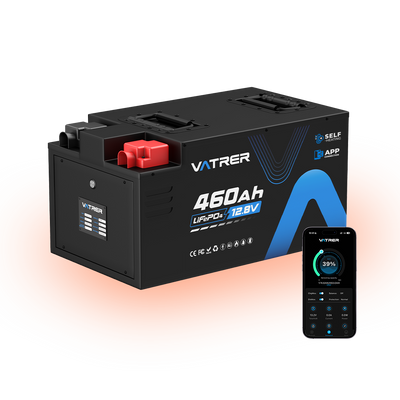
Vatrer Battery offers advanced LiFePO4 solutions built for RV systems, featuring intelligent BMS technology, wide temperature performance, Bluetooth and extended cycle life, perfect for anyone looking to modernize their RV power setup.
Common RV Electrical Problems and Troubleshooting
Even with proper care, electrical issues can occur. Here are a few common ones and how to resolve them:
- Battery Won't Charge: Check for blown fuses, faulty converters, or disconnected wires.
- Flickering Lights: Indicates low voltage or corroded battery terminals.
- Appliances Not Working: Inspect the inverter, breakers, and power source connections.
- Overheating or Burning Smell: Turn off the power immediately, check for overloaded circuits.
Tips: Carry a digital multimeter and familiarize yourself with your RV's wiring layout, it's your best defense against unexpected power issues.
Conclusion
An RV electrical system may seem complicated at first, but once you understand how the 12V and 120V circuits, power sources, and distribution network work together, it becomes much easier to manage. Regular inspection, smart maintenance, and informed upgrades keep your electrical system safe and efficient wherever you travel.
If you're looking to boost your RV's power capacity and reduce maintenance headaches, consider switching to Vatrer lithium RV batteries. Designed for RV and off-grid applications, they deliver higher energy efficiency, longer lifespan, and built-in safety, so you can explore the open road with confidence and reliable power.
Share