How Much to Convert a 48V Golf Cart to Lithium Batteries
Reading time: 9 minutes

Share
You start noticing it in small ways. The cart doesn’t pull as hard on hills. Range drops off faster than it used to. Charging takes longer, and even after a full charge, it just doesn’t feel the same. That’s usually when the idea of switching to lithium comes up. Not because it sounds newer, but because the current setup is no longer keeping up with how you actually use the cart.
A 48V golf cart lithium conversion isn’t just a battery swap. It’s a system upgrade. And the cost can vary more than most people expect.
Some setups stay under $2,000 if you go barebones. Others move closer to $3,500 or more depending on battery size, features, and whether you want something plug-and-play. The key is understanding where that money goes and what you actually get back, especially when evaluating the real 48V golf cart lithium conversion cost in practical use.


What Does a 48V Golf Cart Lithium Conversion Include
When people talk about a lithium golf cart battery conversion, they usually picture replacing the batteries and calling it done. In reality, it’s a bit more involved. You’re not just swapping chemistry. You’re changing how the entire power system behaves. That includes charging, discharge characteristics, and how the cart responds under load.
At a minimum, a proper 48V lithium conversion includes a lithium battery pack, usually around 48V 100Ah or 105Ah. You’ll also need a lithium-compatible charger, since lead-acid chargers don’t follow the correct charging profile.
Most setups also include mounting brackets, updated wiring, and connectors. Higher-end kits add features like Bluetooth monitoring or an LCD display so you can actually see what the battery is doing in real time.
In practical projects, there is one additional point to consider. After upgrading, some vehicles may be subject to current limitations imposed by their original controllers, preventing them from fully realizing the performance potential of the lithium-ion battery. In such cases, an additional controller upgrade may be required; while this adds approximately $300–$1,200 to the cost, it typically only applies to high-performance or modified vehicles.
DIY Setup vs Complete Conversion Kit
If you’re comfortable working with wiring and electrical systems, you can piece together your own setup. That usually means sourcing the battery, charger, and hardware separately. It can save money, but it also introduces more variables. Compatibility becomes your responsibility.
A conversion kit, on the other hand, is designed to remove that guesswork.
DIY Approach
-
Lower upfront cost if you already have tools and experience.
-
Requires understanding of voltage, wiring, and charger compatibility.
-
Mistakes can lead to poor performance or even system damage.
-
You may spend more time troubleshooting than installing.
-
Not ideal if you just want a quick, reliable upgrade.
Conversion Kit
-
Pre-matched components designed to work together.
-
Faster installation, typically completed in 1.5 to 3 hours for most standard golf carts.
-
Includes charger, wiring, and mounting hardware.
-
Reduces risk of compatibility issues.
-
Better suited for most golf cart owners.
Average Cost to Convert a 48V Golf Cart to Lithium Batteries
This is the part most people care about first. The cost to convert a golf cart to lithium depends heavily on battery quality and how complete your setup is. The battery itself is the largest cost driver, often making up 70 to 80 percent of the total, which is why the 48V lithium golf cart battery price becomes the biggest variable in your budget.
A typical 48V 100Ah lithium battery ranges between $1,500 and $2,500 depending on brand, internal BMS quality, and added features like Bluetooth or heating. A compatible charger usually adds another $150 to $400. If you hire someone to install it, labor can range from $100 to $500 depending on complexity.
Typical Cost Breakdown
| Component | Budget Setup | Mid-Range Setup | Premium Setup |
|---|---|---|---|
| 48V Lithium Battery | $1,400 | $1,800 | $2,500+ |
| Lithium Charger | $150 | $250 | $400 |
| Installation | DIY ($0) | $150 | $500 |
| Accessories / Wiring | $50 | $150 | $300 |
| Total Estimated Cost | $1,600 | $2,350 | $3,700+ |
Most users land in the mid-range tier. That’s where cost and performance balance out. Going cheaper often sacrifices reliability, while going premium only makes sense if you need higher discharge or advanced monitoring.
48V Lithium vs Lead-Acid Golf Cart Batteries Over Time
The upfront price of lithium can feel high, especially when compared to lead-acid batteries. But that’s only part of the picture. The real comparison happens over time, especially when evaluating a full 48-volt golf cart lithium battery upgrade instead of a simple replacement.
Lead-acid batteries typically last 300 to 500 cycles. Lithium batteries often reach 3,000 to 5,000 cycles depending on depth of discharge and usage conditions. According to the U.S. Department of Energy, lithium-ion systems provide significantly higher cycle life and efficiency compared to lead-acid systems
5-Year Cost Comparison
| Battery Type | Initial Cost | Replacement Cycles | Maintenance Cost | Total 5-Year Cost |
|---|---|---|---|---|
| Lead-Acid | $800–$1,200 | 2–3 replacements | High | $2,500–$4,000 |
| Lithium | $2,000 | 1 system | Minimal | $2,000–$2,300 |
Over a 5-year period, lithium often ends up costing about the same or less. The difference is you get consistent performance instead of gradual decline, which is what most users notice during actual driving.
What Factors Affect the Total Conversion Cost
Not every 48V lithium golf cart conversion costs the same. Two carts with similar setups can end up with very different price tags depending on a few key decisions. Most of these come down to how you use your cart and how much performance you expect out of it.
Battery Capacity (Ah)
Higher capacity means more runtime, but also higher cost.
It's important to note that 48V 105Ah (approximately 5.3kWh) is sufficient for light to moderate use (1–3 hours/day on flat ground), but for heavy loads, hilly terrain, or extended use, a higher capacity may be required.
Battery Quality and Brand
Internal BMS design, cell quality, and thermal protection all affect price. Lower-cost batteries often reduce lifespan or safety margins.
Charger Compatibility
Most lithium upgrades require a new charger. Using an old lead-acid charger can reduce efficiency or damage the battery.
Installation Type
DIY saves money, but professional installation reduces risk. For many users, the added cost is worth the peace of mind.
Is It Worth Converting a 48V Golf Cart to Lithium
For most users, the answer comes down to how often the cart is used and what kind of performance they expect. Lithium doesn’t just extend runtime. It changes how the cart feels every time you drive it.
-
Performance and Power Delivery: Lithium batteries maintain stable voltage throughout the discharge cycle. That means consistent speed and torque.
-
Usable Capacity: Lithium allows 80% to 100% depth of discharge, compared to around 50% for lead-acid.
-
Charging Speed: Most lithium systems recharge in 2 to 5 hours depending on charger size (typically 20A–30A) and battery capacity.
- User Experience: No maintenance required. No corrosion. No gradual performance drop. Reduced weight improves handling (but in some models, being too light may affect the front and rear weights, which needs to be judged according to the model)
For daily use, lithium makes a noticeable difference. For occasional use, it becomes more of a cost decision.
DIY vs Conversion Kit: Which Option Costs More
The cost difference between DIY and a conversion kit isn’t always as large as people expect. What changes more is the risk level and time investment when comparing different lithium golf cart battery conversion approaches.
Cost Comparison Table: DIY vs Conversion Kit
| Category | DIY Setup | Conversion Kit |
|---|---|---|
| Battery | $1,400–$2,000 | Included |
| Charger | $150–$300 | Included |
| Wiring & Hardware | $50–$200 | Included |
| Installation Time | 3–8 hours | 1.5–3 hours |
| Installation Cost | $0 | $0–$300 |
| Risk of Compatibility | Medium–High | Low |
| Total Cost | $1,600–$2,500 | $2,000–$3,200 |
DIY can save a few hundred dollars. But it also requires more time and carries more risk. For most users, the extra cost of a kit is offset by simplicity and reliability.
How to Choose the Right Lithium Battery for a 48V Golf Cart
Choosing the right lithium battery is less about picking the biggest number and more about matching your real-world usage. A reasonably matched battery system should achieve a balance between performance, life and cost, rather than simply pursuing capacity.
-
Match the Correct Voltage: Your system must remain at 48V, and using a dedicated 48V lithium battery simplifies both installation and long-term reliability. Incorrect configurations or mixing batteries can lead to system instability and reduced performance.
-
Choose the Right Capacity (Ah): Around 100Ah to 105Ah works well for most users, offering a balance between runtime and cost. If you regularly drive longer distances or operate on hilly terrain, a higher capacity may be necessary to avoid range limitations.
-
Check Continuous and Peak Discharge Current: A battery must support both steady power output and short bursts of high current during acceleration. Ignoring peak current capability can result in weak performance even if the battery capacity looks sufficient on paper.
-
Look for Built-In Protection Features: A reliable battery should include a BMS that manages overcharge, over-discharge, and temperature conditions. These protections help extend lifespan and prevent failures under real-world usage.
- Choose Monitoring and Smart Features: Features like Bluetooth or an LCD display allow you to monitor battery status in real time. This improves visibility into performance and helps you detect issues before they affect your ride.
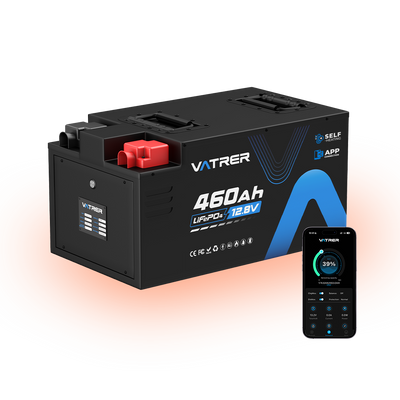
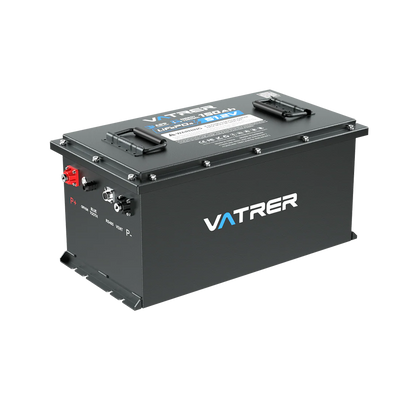
For example, Vatrer 48V lithium golf cart batteries integrate a 200A BMS with peak current support, support over 4000 cycles, and offer Bluetooth or LCD monitoring. Compared to many entry-level batteries limited to 100A–150A systems, this provides more stable power delivery under load.
Common Mistakes That Increase Conversion Costs
Many users end up spending more than necessary because of avoidable mistakes. These don’t show up during purchase. They show up later.
-
Choosing the wrong charger
-
Ignoring battery size constraints
-
Underestimating wiring costs
-
Buying low-quality batteries
-
Not planning for cold weather
-
The controller and battery matching were not evaluated (resulting in unreleasable performance)
Each of these can lead to additional costs or reduced performance.
Final Conclusion
A 48V golf cart lithium conversion typically costs between $1,600 and $3,500 depending on battery quality, installation method, and included components. Most users land around $2,000 to $2,800 for a reliable setup.
In the long term, if you use it multiple times a week, a lithium battery system can typically recoup its cost in 2–4 years, depending on usage frequency and the cost of replacing the original lead-acid battery.
What matters more than the number is how the system performs over time. Lithium delivers stable power, faster charging, and fewer maintenance issues.
Upgrade Your 48V Golf Cart with a Reliable Lithium Solution
Upgrading to lithium changes how your golf cart performs every day. It’s not just longer runtime. It’s consistent output, faster charging, and fewer interruptions.
Vatrer Power 48V lithium golf cart batteries provide around 5.376 kWh of usable energy, support 4000+ cycles, remote real-time monitoring, and include built-in BMS protection with low-temperature cutoff. With up to 200A continuous output and higher peak current capability, they handle hills and acceleration more reliably than many standard lithium options.
For most users, the decision isn’t just about cost. It’s about whether you want a system that gradually degrades, or one that delivers the same performance every time you drive.


Share