Lead-acid Battery vs Lithium-ion Battery: Comprehensive Guide
Reading time: 6 minutes

Share
Choosing between a lead-acid battery and a lithium-ion battery can feel confusing if you're not deeply familiar with how batteries work. Whether you're powering a golf cart, RV, boat, or solar setup, your battery choice impacts performance, maintenance, and long-term costs.
This guide breaks down the key differences between these two major battery types, explaining how they work, their pros and cons, performance differences, and which one fits your needs best.
Key Takeaways
- Lead-acid and lithium-ion batteries use very different chemistries that directly affect their lifespan, efficiency, and weight.
- Lithium batteries typically last 4-10 times longer and deliver higher usable energy with less maintenance.
- While lead-acid batteries have a lower upfront cost, lithium batteries are more cost-effective over time.
- Lithium-ion batteries are lighter, charge faster, and operate more efficiently across temperature ranges.
- For solar, RV, or marine systems, lithium-ion is often the smarter long-term investment.
- If you're still using lead-acid, upgrading to a lithium battery can greatly improve energy performance and reliability.


Understanding How Lead-acid and Lithium-ion Batteries Work
Both battery types store energy chemically, but their internal structures and reactions are very different.
- A lead-acid battery uses lead plates submerged in sulfuric acid. When it discharges, chemical reactions between the lead and acid produce electricity. These batteries are durable but heavy and not very energy-dense.
- In contrast, a lithium-ion battery, specifically the LiFePO4 (lithium iron phosphate) type commonly used in solar and mobility applications, moves lithium ions between the anode and cathode during charge and discharge. This technology is much lighter, holds more energy per unit of weight, and provides higher efficiency.
Lead-acid and Lithium-ion Batteries Work Comparison Table
| Feature | Lead-acid Battery | Lithium-ion Battery |
|---|---|---|
| Core Chemistry | Lead plates + sulfuric acid | Lithium iron phosphate (LiFePO4) or similar |
| Maintenance | Regular watering and cleaning | Maintenance-free |
| Efficiency | 70–80% | 95–98% |
| Typical Applications | Cars, backup systems | RVs, boats, solar systems, golf carts |
In short, lead-acid batteries are simple and proven, while lithium-ion batteries are modern, efficient, and built for today's high-performance energy needs.
Pros and Cons of Lead-acid vs Lithium-ion Batteries
Each technology has strengths and weaknesses, depending on how you plan to use it.
- Lead-acid batteries are known for their low upfront cost and reliability in short-term or standby power situations. They're ideal for applications where the battery isn't deeply discharged often, like starting engines or providing emergency backup. However, they are heavy, require frequent maintenance, and degrade quickly if not properly charged.
- Lithium-ion batteries, on the other hand, offer higher energy density, lighter weight, and no need for regular maintenance. They can be discharged up to 90-100% of their capacity without damage, offering longer runtime and higher efficiency. The main drawback is the initial purchase cost, though the long-term savings outweigh it for most users.
Lead-acid vs Lithium-ion Batteries Pros and ConsComparison
| Category | Lead-acid | Lithium-ion |
|---|---|---|
| Energy Density | Low | High |
| Weight | Heavy | Lightweight |
| Lifespan | 300–500 cycles | 3,000–5,000+ cycles |
| Maintenance | Regular | None |
| Upfront Cost | Low | Higher |
| Long-term Value | Lower | Much higher |
Therefore, if you prioritize initial savings, lead-acid is fine for short-term use. For performance, convenience, and longevity, lithium-ion wins easily.
Performance Comparison Between Lead-acid and Lithium-ion Batteries
When comparing performance, lithium batteries outperform lead-acid in nearly every key area.
- Energy Efficiency and Depth of Discharge: Lead-acid batteries should only be discharged to about 50% to preserve their lifespan. Lithium batteries can safely use 80-100% of their capacity, meaning you get more usable power from the same rated capacity.
- Charging Speed: Lead-acid batteries take 8-10 hours to fully charge because of their slow absorption phase. Lithium batteries can charge in as little as 2-4 hours using a compatible charger, saving time and improving energy availability.
- Weight and Space: Lithium batteries are about 50-70% lighter, which makes them ideal for RVs, boats, and golf carts. The lighter weight means less strain on motors and improved fuel or power efficiency.
Lead-acid vs Lithium-ion Batteries Performance Comparison
| Performance Metric | Lead-acid | Lithium-ion |
|---|---|---|
| Depth of Discharge | 50% recommended | 80–100% usable |
| Charge Time | 8–10 hours | 2–4 hours |
| Weight (48V 100Ah) | 120–140 lbs | 60–70 lbs |
| Efficiency | 75% | 95%+ |
Which Battery Is Safer and More Environmentally Friendly?
Safety is one of the biggest concerns for any battery user.
- Lead-acid batteries contain corrosive sulfuric acid and lead, both hazardous materials. If overcharged, they can release hydrogen gas, which is flammable. Spills or leaks also pose environmental risks.
- Lithium-ion batteries, especially the LiFePO4 type, are much safer. They have built-in Battery Management Systems (BMS) that protect against overcharging, short circuits, and overheating. LiFePO4chemistry is thermally stable, unlike older lithium cobalt oxide cells used in laptops and phones, making it ideal for home and vehicle use.
Environmentally, lithium batteries are cleaner since they don't contain lead or acid. While lead-acid recycling is well established, the future of lithium battery recycling is advancing rapidly, improving its sustainability footprint.
Details can be found in further reading:
How To Dispose of a Lithium Battery?
Lead-acid vs Lithium-ion Batteries: Cost and Long-term Value Comparison
Price often decides the choice, but understanding total cost of ownership tells a clearer story.
- Upfront Cost: Lead-acid batteries are cheaper to buy, often costing one-third the price of lithium batteries for the same voltage and capacity.
- Long-term Economics: Lithium batteries last much longer, typically 10 years or more, while lead-acid units need replacement every 2-3 years. They also operate more efficiently, wasting less power during charging and discharging.
Lead-acid vs Lithium-ion Batteries Cost Comparison
| Metric | Lead-acid | Lithium-ion |
|---|---|---|
| Initial Cost (48V 100Ah setup) | $500–$700 | $1,200–$1,500 |
| Lifespan | 2–3 years | 8–10 years |
| Charge Efficiency | 75% | 95% |
| Maintenance Cost | High | Minimal |
| Cost per Cycle | High | Low |
Tip: Even though lithium-ion batteries cost more upfront, their cost per cycle is significantly lower, making them the more economical choice long term.
Which Battery Fits Your Application Best
Not every system needs the same battery. Here's a practical breakdown of which fits different uses:
| Application | Recommended Type | Reason |
|---|---|---|
| Solar / Off-grid Systems | Lithium-ion | High efficiency, deep discharge, long lifespan |
| Golf Carts | Lithium-ion | Lightweight, longer runtime per charge |
| RVs / Boats | Lithium-ion | Fast charging, stable voltage, low maintenance |
| Backup Power / UPS | Lead-acid | Low upfront cost for standby use |
| Automotive Starting | Lead-acid | Delivers high starting current effectively |
If your power demand is frequent, deep, or mission-critical, lithium-ion batteries offer better reliability and performance consistency.
Is It Worth Upgrading to Lithium-ion Batteries?
For most users, the answer is yes, especially if you use your system regularly.
Switching to lithium batteries provides faster charging, greater usable capacity, and lower maintenance costs. They're also much lighter, safer, and more energy-efficient. While the initial investment is higher, the total cost of ownership over 8-10 years is far lower than replacing lead-acid batteries multiple times.
If you're upgrading, make sure your charger is compatible with lithium chemistry. Some systems may also need updated voltage settings or BMS integration for optimal performance.
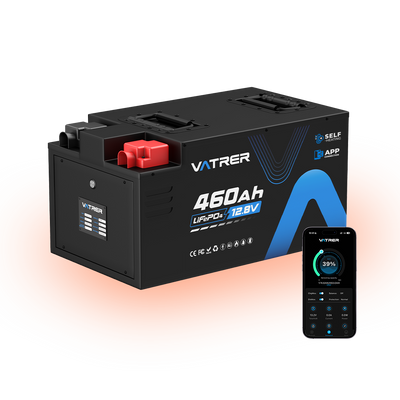
For example, a 48V lithium-ion golf cart battery like the Vatrer LiFePO4 48V 105Ah offers over 4000 cycle life, stable voltage output, and is 50% lighter than comparable lead-acid battery packs, meaning smoother acceleration, longer range, and virtually zero maintenance.
Conclusion
Both lead-acid and lithium-ion batteries have their place, but they serve very different needs. Lead-acid remains a practical option for budget-conscious or standby applications. However, if performance, longevity, and convenience matter to you, lithium-ion technology is the clear winner.
Vatrer Battery, a trusted provider of advanced LiFePO4 energy solutions, offers lithium batteries that combine intelligent BMS protection, long lifespan, and reliable performance for solar systems, RVs, boats, and golf carts. Choosing a high-quality lithium battery doesn't just reduce maintenance, it enhances efficiency, saves time, and delivers dependable power wherever you need it.
Explore Vatrer lithium battery range to discover how modern energy storage can transform your setup for years to come.
Share