How to Bypass the OBC on a Club Car Golf Cart? A Comprehensive Guide
Reading time: 13 minutes

Share
Many older 48V Club Car golf carts use an onboard computer, commonly called the OBC, as part of the charging system and vehicle electrical logic. If the OBC fails, creates charging problems, or is no longer needed after an aftermarket charger or LiFePO4 battery conversion, bypassing it may be part of the repair or upgrade.
A Club Car OBC bypass is not a single wiring change that works on every cart. IQ and Excel carts, Regen-2 systems, and Series carts use different control arrangements. The charging-current path at the receptacle can also be separate from the controller or solenoid control circuit, so identify the exact system before changing any wiring.


Identify Your Club Car OBC and Electrical System
Before changing the circuit, confirm that the cart actually uses an OBC and identify its electrical system. Club Car produced several 48V configurations over the years, and two carts with similar bodywork may use different controllers, harnesses, chargers, and OBC connections. Previous battery conversions, controller upgrades, or wiring repairs can change the original layout further.
Confirm an OBC-Equipped Model
Start with the model year, serial information, charger type, and factory service information for the cart. Older Club Car models using the PowerDrive charging architecture commonly include an OBC, while later systems may use a different charging arrangement. Charger type can help with identification, but the wiring diagram and actual vehicle configuration should decide which procedure applies.
If the cart has already been modified, compare the wiring in the battery compartment with the correct diagram instead of assuming it still matches the factory layout.
Locate the Club Car OBC
The OBC location varies by model year and body configuration. One practical way to find it is to trace the main battery pack negative cable and the negative lead from the charger receptacle. On an OBC-equipped cart, those paths may lead into or pass through the OBC before reaching the rest of the system.
Trace the heavy conductors along with the smaller control wires. This makes it easier to separate the charging-current circuit from the control circuit before anything is disconnected.
Identify IQ, Excel, Regen-2, or Series
Before performing the bypass, identify whether your Club Car uses an IQ, Excel, Regen-2/Sepex, or Series control system. Some DS carts may use different systems depending on production year, so the DS body style alone does not tell you which Club Car DS OBC bypass method belongs on the vehicle.
Club Car OBC System Identification Overview
| System | Main OBC-related control point | Key wiring difference |
|---|---|---|
| IQ / Excel | Controller enable/control circuit | White, Blue, and sometimes Red/White wiring may be involved |
| Regen-2 / similar Sepex | Harness-based control circuit | Blue wire may run through the vehicle harness rather than directly to the controller |
| Series | Solenoid negative-side circuit | Yellow wire commonly links the OBC to the solenoid control path |
The control system determines the cart-side bypass method. A DS badge by itself does not.
Verify the Wiring Diagram and Pinout
Wire color is useful only after the circuit has been identified. A cart that has been rebuilt, lifted, converted to a LiFePO4 battery, or repaired by a previous owner may no longer match factory wire colors exactly.
Use the service diagram and connector pinout first, then trace the conductor and verify voltage or continuity with a multimeter. If a White, Blue, Yellow, or Red/White wire lands at a different connector position from the diagram, resolve that difference before making the connection.
When to Bypass a Club Car OBC
Owners usually consider bypassing the OBC after a confirmed OBC fault, an aftermarket charger installation, or a battery-system conversion that no longer uses the original charging arrangement. A bypass should follow the requirements of the charger and vehicle electrical system rather than serve as a general repair for any charging problem.
OBC Failure and Charging Faults
A faulty OBC can prevent charging, interrupt cart operation, or create confusing electrical symptoms. A charger that does not start, stops unexpectedly, or behaves inconsistently may point toward the OBC, but similar symptoms can come from the battery pack, charge receptacle, solenoid, charger, controller, or damaged wiring.
Check battery pack voltage, terminal condition, charger operation, and the relevant control circuit before removing the OBC from the system.
Aftermarket Charger Upgrades
Some modern chargers manage their own charge profile and need a direct electrical connection to the battery pack. In that arrangement, leaving the original OBC in the charging path may prevent the charger from reading battery pack voltage correctly or may leave factory charging logic in a circuit that no longer needs it.
Check the charger's installation requirements before you bypass the Club Car OBC. A charger designed to operate independently of the OBC may require changes at the charge receptacle, while the cart's control circuit may need a separate modification.
Lithium Battery Conversions
A LiFePO4 battery conversion changes the charging architecture as well as the battery chemistry. The battery's BMS provides battery-level protection such as overcurrent, overcharge, over-discharge, short-circuit, and temperature protection. The lithium charger supplies the charging profile required by the LiFePO4 battery. The Club Car OBC remains part of the original vehicle charging and control system, so these components perform different jobs.
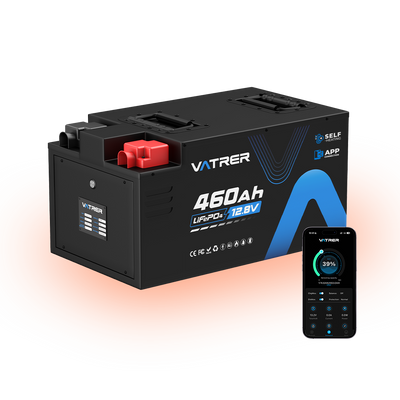
If the OBC is being removed during a lead-acid-to-lithium conversion, using a Club Car conversion package can reduce the number of components that need to be matched separately. Vatrer offers 36V 105Ah and 48V 105Ah Club Car LiFePO4 batteries with a 200A BMS, matching charger, LCD display, Bluetooth monitoring, and installation hardware. That combination is useful when the goal is to replace the aging lead-acid battery bank and charging hardware in the same project.
Diagnose Before Bypassing
An OBC bypass should not be treated as a shortcut for a weak battery pack, bad solenoid, damaged controller, or failing charger. Diagnose the system first so you do not complete the wiring change and still have the same underlying issue.
Check these areas before modifying the cart:
- Battery pack: Battery voltage, terminal condition, cable tightness, and battery health.
- Charging system: Charger operation, AC supply, receptacle, and charger wiring.
- Vehicle controls: Solenoid, controller connections, Tow/Run circuit, key input, and pedal input.
- Harness: Corrosion, damaged insulation, loose connectors, melted terminals, or previous splices.
Some OBC-related problems may also respond to the correct model-specific OBC reset procedure. If normal charging returns after troubleshooting and the existing charger still relies on the OBC, a wiring bypass may not be necessary.
Club Car OBC Bypass Safety Checks
Golf cart battery packs can deliver very high current even in a 36V or 48V system. Incorrect wiring can damage the controller, solenoid, charger, wiring harness, or battery pack, and a direct short can create severe arcing, cable heating, or fire. If the circuit cannot be positively identified from the correct wiring information, the work should be handled by a qualified golf cart technician.
De-Energize the Cart
Remove the key, unplug the charger, and place the Tow/Run switch in Tow where applicable before touching the electrical system. Disconnect the main battery pack and verify that the circuit is de-energized before removing OBC wiring or opening connectors.
Use this sequence before starting electrical work:
- Park the cart and set the parking brake.
- Turn the key off and unplug the charger.
- Set the Tow/Run switch to Tow if fitted.
- Disconnect the main battery pack using the procedure specified for the cart.
- Verify that the circuit being modified is no longer energized.
Use Correct Wire and Circuit Protection
Match wire gauge, terminals, and circuit protection to the circuit being modified. The small controller-control feed and the charger-current path have different electrical loads, so they should not automatically use the same conductor or fuse.
A 10-amp inline fuse is commonly used for the low-current control-feed arrangement described on some IQ and Excel carts. That rating does not apply automatically to the charger lead or every OBC bypass connection. Charger-side conductor and fuse requirements should follow the charger specification and the cart's wiring layout.
Insulate and Secure Wiring
Every connection should be clean, tight, insulated, and routed away from moving parts, seat brackets, sharp frame edges, and hot components. Exposed terminals can short against the frame, battery hold-downs, or metal brackets.
Unused OBC leads also need individual insulation and mechanical support. Secure them where normal vibration, seat removal, or battery service cannot pull them into an active terminal.
Preserve Tow/Run Safety Logic
The bypass should preserve the original safety behavior as much as possible. When the Tow/Run switch is placed in Tow, power should not continue feeding the controller connector in a way that allows the cart to operate unexpectedly.
This is one reason control-feed selection matters on IQ and Excel carts. An always-live connection can make the controller power up while changing the intended Tow/Run behavior.
Club Car OBC Charger Receptacle Bypass
The charger receptacle circuit and the controller or solenoid control circuit perform different functions. If an aftermarket charger needs direct access to the battery pack, the charging-current path may need to bypass the OBC even after the cart-side control wiring has been addressed.
Trace the Receptacle Negative Path
Start at the back of the charge receptacle and trace the main negative charger lead. On many OBC-equipped Club Car configurations, the charger negative path passes through the OBC before reaching battery pack negative. The positive side may already connect more directly to the battery system.
The charging-side modification gives a compatible standalone charger a direct negative return to the battery pack without routing charge current through the OBC.
Create a Direct Battery Pack Negative Path
When the charger instructions call for an OBC bypass, connect the charger receptacle negative to the correct main battery pack negative point shown for that vehicle configuration. Use conductor size, terminals, and circuit protection that match the charger output and wiring requirements.
Do not copy a battery number from another cart's diagram. A six-battery lead-acid battery bank, a four-battery lead-acid battery bank, and a single LiFePO4 battery installation can place the main battery pack negative connection in different physical locations even though it serves the same electrical function.
Isolate Unused OBC Wiring
Once the charging path no longer uses the OBC, disconnected OBC leads should be insulated and secured away from battery terminals, the frame, and other active conductors. Any abandoned connector should remain protected during normal driving and future battery service.
A wire that appears inactive during the first charging test can still create a short if it shifts against another terminal later, so route and secure the unused harness as part of the modification.
Club Car OBC Bypass for IQ, Excel, and Regen-2
On Club Car IQ and Excel models, the OBC bypass usually involves selecting the correct positive feed so the cart can operate without the OBC interrupting the circuit. Regen-2 and similar systems use a related control concept, but the harness routing can differ enough that the same physical connection should not be copied from one system to another.
IQ and Excel Control Wiring
On many Club Car IQ and Excel configurations, the White wire and Blue wire are the key wires used for this modification. Some carts may also have a Red/White wire that should be considered depending on wire size and factory configuration.
If the White wire and Red/White wire are the same gauge and the schematic confirms the expected circuit, the White wire is commonly used with the fused control feed. If the Red/White wire is heavier, verify its connector position and circuit function before selecting it.
Select the Fused Control Feed
The purpose of the fused feed is to provide the required low-current control voltage while reducing the risk of an unfused short circuit. A 10-amp inline fuse is commonly used in this control-feed arrangement.
Some technicians may use another available 48V feed at the controller connector, but the connection should retain the intended Tow/Run switching behavior and appropriate fuse protection. The feed needs to match the circuit shown for that cart rather than simply provide constant voltage.
Regen-2 Harness Routing
Regen-2 and similar model years can be slightly different because the Blue wire may connect through the harness instead of directly to the controller. In this setup, the OBC plays a more direct role in supplying power to parts of the electrical system.
Before making changes, compare the harness with the wiring diagram for the model year. If the actual harness differs from the diagram because of previous repairs or modifications, trace the circuit to its connector position and verify it electrically before making the bypass connection.
Club Car DS OBC Bypass for Series Carts
Series carts use a different control setup. A Club Car DS OBC bypass on a Series system therefore should not copy the IQ, Excel, or Regen wiring arrangement. The key difference is how the OBC participates in the solenoid negative-side circuit.
Yellow-Wire Solenoid Control
On many Club Car Series models, the OBC controls the negative side of the solenoid circuit through the Yellow wire. Because of that, the bypass method is not the same as an IQ, Excel, or Regen cart.
Correctly identifying the drive system is essential because some DS carts use other control architectures. The Yellow-wire procedure applies only where the wiring diagram confirms that the OBC is part of the solenoid negative circuit.
Route the Cart-Side Yellow Wire
To remove the OBC from the solenoid control path, the cart-side Yellow wire is typically disconnected from the OBC and routed to a suitable negative point, such as the controller B- terminal or the main battery pack negative connection where the cart's wiring diagram specifies that reference.
Make sure the chosen negative point is correct for the cart's wiring system. A poor ground, loose terminal, corroded connection, or wrong negative reference can cause intermittent operation, solenoid clicking, controller faults, or a complete no-run issue.
Test the Club Car After the OBC Bypass
Do not return the cart to normal driving immediately after the final connection. The first test should check charger behavior, controller response, solenoid operation, Tow/Run function, and the modified wiring under actual operating conditions.
Verify Charger Operation
Reconnect the battery pack according to the cart's service procedure and return the cart to Run only when testing is ready to begin. Plug in the compatible charger and confirm that it detects the battery pack, starts charging normally, and terminates charging according to its own charge profile.
During the first charge cycle, inspect the modified receptacle connection, terminals, fuse holder, and nearby wiring for unusual heat or discoloration. Stop charging if a connection becomes hot, a fuse repeatedly opens, or the charger does not terminate correctly.
Verify Solenoid and Controller Operation
With the charger disconnected, confirm normal key operation, pedal response, and solenoid engagement. Check for repeated solenoid clicking, intermittent power, or controller fault indications before driving the cart beyond the work area.
A problem that appears only after the bypass often points to the modified control feed, negative reference, connector seating, or an incorrect system identification.
Verify Tow/Run Operation
Check Tow/Run behavior before regular use. The cart should not operate unexpectedly while the switch is in Tow, and returning the switch to Run should restore normal controller operation without temporary jumpers or manual intervention.
Any bypass that depends on defeating the Tow/Run function needs to be corrected before the cart is driven.
Check for Wiring Faults
Inspect the installation again after the first charge and short functional test. The wiring should remain secure, the terminals should stay at normal temperature, and no new electrical faults should appear.
Stop using the cart if you find:
- Repeatedly blown fuses
- Warm or discolored connectors
- Unexpected solenoid operation
- Controller fault codes
- Intermittent power loss
- Charger failure to start or stop normally
- Loose or damaged wiring after the first test drive
Club Car OBC Bypass and the Next Battery Upgrade
Once the bypass has been tested successfully, long-term reliability depends on the battery, charger, wiring, and monitoring equipment working as one compatible system. An aging lead-acid battery bank may still limit range and charging performance even after the original OBC has been removed from the circuit.
If the bypass is part of a lithium conversion, consider completing the upgrade with a Club Car-compatible LiFePO4 battery package rather than continuing to mix old charging accessories with new battery components. Vatrer Club Car lithium battery conversion kits combine the battery, matching charger, LCD display, Bluetooth monitoring, wiring, and installation accessories, while the built-in BMS provides battery protection and real-time visibility into state of charge, temperature, and operating status. This gives the upgraded cart a charging and monitoring setup built around the new battery system instead of the retired OBC.
Share