Advantages and Disadvantages of Solar Energy
Reading time: 16 minutes

Share
Solar energy can lower grid electricity use, reduce exposure to utility rate increases, and give you more control over how your home gets power. Its limits are just as practical. Solar output changes with sunlight and weather, installation can require a large upfront investment, and a roof that looks spacious may have far less usable area once shading, vents, setbacks, and orientation are considered. Battery storage can extend solar use into the evening and support backup power, but it adds cost and another set of sizing decisions. The real value of solar comes from how well the system fits your electricity use, property, local utility rules, and long-term plans.

What Is Solar Energy and How Does It Work?
Solar energy is energy captured from sunlight. Residential systems usually use photovoltaic, or PV, technology to produce electricity, while solar thermal systems use the sun’s heat for applications such as water heating.
A photovoltaic module contains solar cells that generate direct-current electricity when exposed to sunlight. An inverter converts that DC electricity into alternating-current electricity for household loads. Residential PV modules commonly fall around 18% to 22% module efficiency, although the rating alone does not tell you how much energy a roof will produce over a year.
Sunlight → PV modules → DC electricity → inverter → AC household loads
If production exceeds household demand, surplus electricity can flow to battery storage or the utility grid, depending on the system layout and local interconnection rules.
Main Solar System Components
A residential solar system includes more than the modules on the roof. The inverter handles power conversion, the mounting system secures the array, and electrical protection equipment manages faults and safe isolation. Grid-tied systems also need utility-approved interconnection equipment, while battery storage adds energy reserve and, with compatible controls, backup capability.
Common system components include:
- PV modules: Produce DC electricity from sunlight.
- Inverter: Converts DC electricity into household AC electricity.
- Mounting system: Secures rooftop or ground-mounted modules.
- Electrical protection: Includes disconnects, overcurrent protection, and related equipment.
- Utility connection: Allows the home to import grid electricity and, where permitted, export surplus solar electricity.
- Battery storage: Stores electricity for later use when included in the system.

Factors Affecting Solar Output
Rated panel wattage is measured under standardized test conditions. Real output changes with roof orientation, tilt, shading, cloud cover, snow, temperature, season, and local solar resource. A 10 kW array in Arizona can produce a different amount of annual energy from a 10 kW array in another climate, even though both carry the same power rating.
Electric bills are based mainly on kilowatt-hours (kWh) of energy use, while solar array size is usually expressed in kilowatts (kW). Keeping those units separate prevents one of the most common sizing mistakes.
What Are the Main Advantages of Solar Energy?
The strongest solar energy advantages appear in long-term electricity costs, energy control, and lower dependence on fuel-based power generation. Some benefits begin immediately after commissioning, while others depend on how much solar electricity you use onsite, how your utility values exported energy, and how long you keep the property.
Lower Electricity Bills
Every kilowatt-hour produced and used onsite is a kilowatt-hour you may not need to buy from the utility. Savings are usually stronger when daytime electricity demand lines up with solar production, especially where exported solar electricity is credited below the retail electricity rate.
A solar array does not automatically reduce the utility bill to zero. Fixed service charges can remain, and the home may still import electricity at night or whenever demand exceeds solar output.
Protection From Rising Electricity Rates
Producing part of your electricity onsite reduces the share of household energy spending exposed to future utility price changes. The effect depends on solar coverage. A system that supplies a modest share of annual consumption offers less rate protection than one that offsets most daytime grid purchases.
This benefit becomes more valuable over a long ownership period because the system continues producing electricity while utility tariffs may change.
Renewable Energy and Lower Emissions
Solar PV uses sunlight instead of a continuously purchased fuel. During normal operation, the modules do not burn coal, natural gas, gasoline, or diesel, so operational greenhouse gas emissions remain low.
Manufacturing, transportation, raw-material processing, and end-of-life handling still carry environmental impacts. Those factors matter in a lifecycle comparison, but they do not change the low-emission nature of electricity generation at the point of use.
Low Maintenance and Long Service Life
Solar modules have no major moving assemblies, so routine maintenance is relatively limited. Owners mainly need to watch system production, inspect for damage or heavy shading, and clean modules when local conditions make it necessary.
PV modules commonly operate for 25 to 30 years, with gradual output degradation over time. Inverters, connectors, protection equipment, and other components can have different replacement timelines, so the solar array should not be treated as a single component with one uniform service life.
Greater Energy Independence
Using solar electricity directly during the day reduces reliance on utility-supplied electricity. Battery storage can extend that benefit into the evening by storing part of the daytime surplus for later use.
- Self-consumption: Using your own solar electricity onsite.
- Energy independence: Reducing reliance on outside electricity sources.
- Off-grid operation: Running without a utility grid connection.
A grid-connected home can have high solar self-consumption while still depending on the utility for part of its annual energy.
Backup Power With Battery Storage
A solar-plus-battery system can keep selected circuits operating during a utility outage when the inverter, transfer equipment, and battery storage are configured for backup service. Battery capacity controls how much energy is available, while inverter and battery discharge limits control how much power can be delivered at one time.
A refrigerator, lighting, communications equipment, pumps, and selected outlets are usually easier to support than central air conditioning, electric water heating, electric cooking, and several high-power loads running together.
Home Value and Financial Benefits
An owned solar system can become part of the home’s long-term energy infrastructure. Its resale value depends on system age, financing, equipment ownership, local electricity prices, remaining service life, and how buyers in that market view future energy savings.
State and local rebates, utility programs, renewable energy credits, and compensation for exported solar electricity may improve the financial result. Their availability and value vary by location and can change over time, so use only the programs currently available for your property when estimating solar savings.
What Are the Main Disadvantages of Solar Energy?
The main solar energy disadvantages come from cost, intermittency, installation limits, and the timing mismatch between solar production and household demand. A system can generate a large amount of energy over a year and still provide very little at the exact hours when a home needs the most electricity.
High Upfront Cost
A residential installation can include PV modules, inverter equipment, mounting hardware, wiring, disconnects, overcurrent protection, labor, permits, and utility interconnection work. Some homes also need roof repairs, service-panel upgrades, or structural work before the array can be installed.
Battery storage raises the project cost again because it adds the LiFePO4 battery or other battery type, power electronics, communication hardware, protection equipment, controls, and installation labor. Financing can reduce the initial cash payment, but interest and fees can increase lifetime cost.
Long or Variable Payback
Solar payback changes with installed cost, annual energy production, retail electricity rates, incentives, self-consumption, export compensation, financing, and equipment replacement. Two homes with the same array size can have very different results if their utility tariffs or load profiles differ.
Simple payback period = Net installed cost ÷ Annual electricity-cost savings
Financing cost, equipment aging, changing electricity rates, panel degradation, and replacement expenses affect the complete financial picture.
A short planned ownership period can also weaken the value of the project because fewer years remain to recover the installation cost through energy savings.
Sunlight and Weather Dependence
Solar panels do not generate electricity from sunlight at night. Cloud cover lowers production, winter days shorten the daily generation window, and shading can reduce output from part of the array.
Cold weather itself does not stop PV generation. Bright, cold conditions can support strong output, while snow that covers the module surface can block sunlight until it melts, slides away, or is safely removed. Annual production matters more than performance on a single cloudy or snowy day.
Generation and Usage Mismatch
Solar production is often strongest near the middle of the day. Household demand may peak earlier in the morning or after sunset, so a home can export substantial daytime energy and still buy electricity later.
That timing matters most where exported electricity is worth less than imported electricity. Moving flexible loads such as EV charging, laundry, dishwashing, or water heating into solar-producing hours can raise self-consumption without changing the array itself.
Battery Storage Cost
Battery storage can shift solar electricity into later hours and support backup power, but the battery system has its own limits. Usable capacity, continuous discharge current, peak output, charge rate, temperature range, communication compatibility, depth of discharge, and cycle life all affect performance.
LiFePO4 batteries used for deep-cycle applications commonly fall around 3,000 to 6,000+ cycles under specified operating conditions. Actual battery life varies with depth of discharge, temperature, charging behavior, operating voltage, and battery management strategy.
A battery system makes more sense when backup power, time-of-use management, evening self-consumption, or off-grid operation matters. A home focused mainly on daytime bill reduction may get less value from the extra equipment.
Roof and Space Constraints
Total roof area is not the same as usable solar area. Chimneys, vents, dormers, skylights, access paths, fire-code setbacks, shade, roof geometry, and structural limitations can divide a large roof into much smaller installation zones.
Key physical checks include:
- Orientation and slope: Affect daily and seasonal production.
- Shade: Can reduce output over part of the array.
- Roof age: An older roof may need replacement before solar installation.
- Roofing material: Can change mounting methods and labor.
- Usable area: Sets an upper limit on module count.
- Equipment space: Inverters, disconnects, and battery storage also need suitable locations.
Ground-mounted solar can solve some rooftop constraints, but it needs usable land and may add trenching, foundations, fencing, or zoning requirements.
Limited Backup During Grid Outages
A standard grid-tied solar system usually stops supplying the home during a utility outage unless it includes equipment configured for backup operation. Anti-islanding protection prevents the solar system from energizing utility lines while line crews may be working on them.
Backup service therefore depends on the inverter, battery storage, isolation equipment, switching hardware, and control strategy. A critical-load backup system can be much smaller than one expected to carry an entire electrically heated home.
Manufacturing and End-of-Life Impacts
PV modules, aluminum frames, copper wiring, inverters, battery systems, and mounting hardware all require mined or processed materials. Manufacturing also consumes energy, while large ground-mounted projects can compete with other land uses.
End-of-life handling matters as the installed solar fleet ages. PV modules, battery systems, and power electronics should move into appropriate reuse, recycling, or disposal channels rather than ordinary household waste streams.
What Determines the Pros and Cons of Solar Energy for Homes?
The pros and cons of solar energy for homes change with the property and the way electricity is used. Roof conditions define how much solar can be installed, utility prices influence the value of each solar kilowatt-hour, and the household load profile determines how much production can be consumed directly rather than exported.
Household Electricity Use
Twelve months of electricity bills provide a useful starting point because they show seasonal consumption rather than one unusually high or low month. Annual energy use is measured in kWh, while instantaneous load is measured in kW. Both matter if the system also includes battery backup.
A rough PV sizing estimate is:
Estimated PV array size (kW) ≈ Daily electricity use (kWh) ÷ [Peak sun hours × 0.75–0.85]
The 0.75–0.85 allowance represents typical real-world system losses from temperature, conversion, wiring, mismatch, and other operating factors. Final sizing should use site-specific production data and the actual roof layout.
Local Electricity Rates
A solar kilowatt-hour generally has greater financial value when it replaces expensive grid electricity. Retail electricity price, time-of-use periods, fixed charges, and export rates all influence the result.
This is why a sunny property with very low electricity prices can have a slower financial return than a less sunny property with much higher utility rates.
Roof and Solar Resource
The roof sets the physical limit; the local solar resource sets much of the production potential. Long-duration shade can reduce annual output enough to change project economics even when the roof itself is large.
Orientation, slope, seasonal sun path, nearby trees, neighboring structures, and local weather should be evaluated together. East- and west-facing arrays can still perform well, especially when their output better matches morning or afternoon household demand.

Net Metering and Incentives
Utility compensation for exported electricity can change the preferred system size. Where export credits are close to retail electricity rates, sending surplus solar to the grid may retain strong value. Where export compensation is much lower, daytime self-consumption becomes more important.
State and local rebates, utility incentives, renewable energy credits, and other active programs can still reduce project costs in some areas. For residential projects completed after December 31, 2025, the federal Residential Clean Energy Credit under IRC Section 25D is no longer available, so a 2026 solar payback estimate should not assume the former 30% federal credit. Check the programs available at your project location and installation date before calculating net cost.
Backup and Energy Independence Goals
A system built mainly to reduce daytime grid purchases can remain relatively straightforward. Backup power raises the design requirements because the battery storage, inverter, controls, and critical-load strategy all need to work together. Off-grid operation goes further by removing the utility as the fallback source.
If your project needs expandable fixed battery storage, a Vatrer 51.2V 100Ah server rack LiFePO4 battery provides 5.12 kWh per battery. Server-rack versions support CAN/RS485 communication and Bluetooth, while selected models add Wi-Fi or self-heating. Consider that type of setup if your solar system needs modular growth, inverter communication, or better low-temperature charging support rather than a one-time fixed capacity.
Expected Time in the Home
A longer ownership period gives the system more time to recover installation costs and continue producing energy after payback. A shorter timeline puts more weight on financing terms, equipment ownership, transferability, and local resale conditions.
A national average payback period cannot answer this part of the decision. The useful comparison is your expected ownership period against the project’s own modeled cash flow.
Which Solar System Setup Fits Different Energy Needs?
System architecture should follow the energy goal. Grid-tied solar focuses on reducing utility purchases, solar plus battery storage adds time shifting and backup capability, and off-grid solar must supply the property without relying on a utility connection.

Grid-Tied Solar
A grid-tied system supplies household loads from solar when production is available. The utility supplies the difference when demand exceeds solar output, while surplus production may be exported under local rules.
This configuration usually has fewer components than a battery-based system. Its main limitation is outage performance: a standard grid-tied array normally shuts down when utility power is lost.
Solar Plus Battery
Battery storage keeps part of the daytime surplus onsite for evening use, time-of-use rate management, or backup service. The battery and inverter must both support the expected load.
A system sized for refrigeration, lights, communications, and a few outlets can be much smaller than one expected to run air conditioning, electric cooking, water heating, and other high-power appliances at the same time.
Off-Grid Solar
An off-grid system has no utility connection available to cover energy shortages. The solar array must support current loads while recharging a battery bank with enough reserve for night use and low-sun periods. Some installations also use a generator or another charging source for long stretches of poor weather.
A complete off-grid system typically includes:
- PV array
- Solar charge controller or solar inverter
- LiFePO4 battery bank or another suitable deep-cycle battery bank
- Inverter
- DC and AC overcurrent protection
- Disconnects and grounding
- Monitoring equipment
- Optional generator or secondary charging source
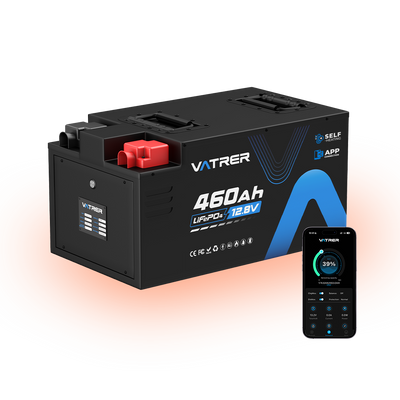
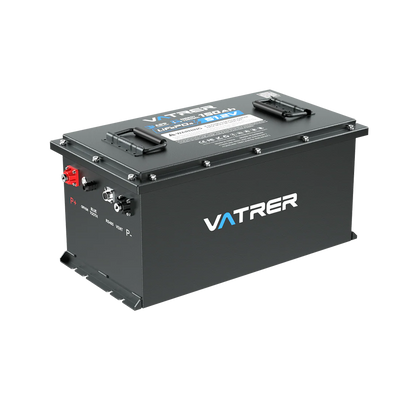
If you’re building an off-grid solar system for an RV, cabin, or house, Vatrer 12V and 48V lithium solar batteries feature low-temperature protection to prevent unsafe charging in cold weather, some models include a self-heating function for winter operation, and Bluetooth monitoring lets you check the state of charge, temperature, and battery status from your phone. Match the battery voltage to your inverter and charging equipment, then size the battery bank around daily energy use and the reserve time you want between charging periods.
Is Solar Energy Worth It for Your Home?
Solar is a stronger fit when the property can produce useful energy at a cost that matches your ownership timeline. Good results usually come from several favorable conditions working together rather than one factor such as high sunlight or low equipment price.
Conditions That Favor Solar
A property becomes more attractive for solar when energy costs, site conditions, and ownership plans align. Strong solar resource helps, but high utility prices and good self-consumption can matter just as much.
Favorable conditions include:
- Higher electricity rates: Each solar kWh can replace more expensive grid energy.
- Good sunlight exposure: Less shading supports stronger annual production.
- Usable installation area: A workable roof or ground location gives the system designer more flexibility.
- Long ownership period: More years remain to recover the investment.
- Meaningful electricity use: More grid energy is available to offset.
- Useful export compensation: Surplus solar retains more financial value.
- Backup needs: Battery storage can add outage resilience as well as energy shifting.
Conditions That Reduce Solar Value
A few unfavorable factors do not automatically rule out solar, but several at once can weaken the project quickly. Expensive roof work, severe shading, low grid prices, and a short ownership horizon are particularly important because they affect either production or the time available to recover the investment.
Conditions that deserve closer review include:
- Long-duration shading across the main installation area
- A roof that needs replacement soon
- Limited usable roof or ground space
- Very low electricity prices
- Significant structural or electrical upgrade costs
- Low compensation for exported solar electricity
- A planned move before expected payback
- Financing costs that materially increase the total project price
Alternatives to Rooftop Solar
A roof that does not work well for PV does not eliminate every solar option. Ground-mounted arrays can use open property, solar carports can use parking areas, and community solar can provide bill credits without placing modules on your own building.
The best alternative depends on land availability, property ownership, utility program rules, installation cost, and how much solar electricity or bill credit the option is expected to provide.
Final Decision Factors
The right solar setup is the one that matches your actual load profile and the level of utility dependence you want to keep. Compare annual electricity use, local electricity rates, expected solar production, roof conditions, installed cost, export compensation, backup requirements, and expected ownership period before choosing the system architecture.
If battery storage is what makes your solar system useful after sunset, during outages, or as household energy demand grows, consider Vatrer home energy storage batteries as part of the system. Modular expansion lets you increase battery bank capacity over time, while inverter communication and app, Wi-Fi, or display-based monitoring make stored energy and battery status easier to track. Low-temperature protection and self-heating options also support solar charging in colder environments. Match the battery bank to your daily energy use, backup duration, and compatible inverter so more of the solar energy you generate during the day stays available when you actually need it.
Share