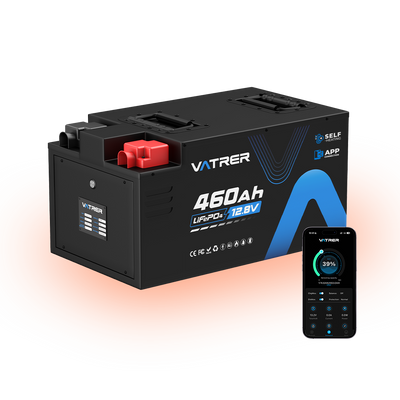
Can I Use Lithium Batteries in My RV? Everything You Need to Know
Reading time: 6 minutes

Share
Upgrading your RV battery system can feel like a big decision, especially if you're wondering whether lithium batteries will actually work in your setup. The short answer is yes, most RVs can use lithium batteries, but there are a few things you'll need to check and understand before making the switch.
This guide walks you through everything you need to know, from compatibility and safety to cost, performance, and how to pick the right lithium battery for your RV.
Key Takeaways
- Most RVs can safely use lithium LiFePO4 batteries with minimal system adjustments.
- Lithium batteries are lighter, charge faster, and last longer than lead-acid batteries.
- Always check your RV's charging system and converter compatibility before upgrading.
- LiFePO4 chemistry is the safest and most stable type for RV applications.
- Although the upfront cost is higher, lithium batteries reduce long-term maintenance and replacement expenses.
- Choosing a high-quality battery brand, like Vatrer Battery, ensures safety, performance, and longevity.


Can My RV Use Lithium Batteries?
Yes, most RVs can use lithium batteries, including older models that originally came with lead-acid batteries. The main factor isn't the RV itself but the charging and electrical systems that support the battery bank.
Modern RVs often come “lithium-ready,” meaning the converter and DC-DC charger are already compatible with LiFePO4 batteries. If your RV is more than a few years old, it might require minor adjustments, such as a new charger or an updated battery monitor.
Tips: If your RV has solar panels or an inverter, make sure your lithium RV battery compatibility is confirmed with your solar charge controller. Lithium batteries have different voltage profiles than traditional flooded or AGM batteries.
Why Many RV Owners Are Switching to Lithium Batteries
There's a reason why the lithium RV battery upgrade trend is taking off among RVers, boondockers, and full-timers. Compared to lead-acid batteries, lithium offers several advantages:
- Weight reduction: Lithium batteries are typically 40-60% lighter than equivalent lead-acid units, improving fuel efficiency and vehicle balance.
- More usable energy: Lead-acid batteries can only use about 50% of their rated capacity, while lithium can safely discharge 80-100%.
- Faster charging: A lithium battery accepts higher charging currents, cutting your generator or solar recharge time by half.
- Zero maintenance: No need to check water levels or worry about corrosion.
For frequent travelers or those who enjoy off-grid camping, these improvements translate directly to more freedom and less downtime.
Are Lithium Batteries Safe for RV Use?
Safety is one of the most common questions, the answer is yes, when you choose the right chemistry and proper installation.
LiFePO4 (lithium iron phosphate) batteries are the safest type of lithium battery available today. They are thermally stable, non-combustible, and less prone to overheating compared to other lithium chemistries like NMC or LCO.
Every high-quality RV battery also includes a Battery Management System (BMS). The lithium battery BMS for RV monitors voltage, current, and temperature, automatically cutting off the battery if it's overcharged, deeply discharged, or exposed to extreme temperatures.
Tip: Choose lithium batteries certified for RV or marine use, such as those offered by Vatrer Battery, which include built-in protections for overcurrent, short circuit, and cold-weather charging.
Lithium vs. Lead-Acid Batteries for RVs
Understanding the performance differences helps clarify why so many RVers are making the switch.
lithium vs lead acid RV battery technology performance and total cost
| Feature | Lithium (LiFePO4) | Lead-Acid (AGM/Flooded) |
|---|---|---|
| Usable Capacity | 80–100% | 40–50% |
| Cycle Life | 3,000–6,000 cycles | 300–500 cycles |
| Weight | Light (30–50 lbs) | Heavy (60–120 lbs) |
| Charging Speed | Fast | Slow |
| Maintenance | None | Regular water checks |
| Voltage Stability | Constant | Drops with discharge |
| Cold Weather | Needs protection | Tolerates but less efficient |
Simply put, lithium batteries deliver longer life, higher efficiency, and less hassle over time.
What to Check Before Using Lithium Batteries in Your RV
Before you swap out your batteries, review a few key components to ensure proper lithium RV battery compatibility:
- Converter/Charger: Older converters designed for lead-acid batteries may not reach lithium's ideal charging voltage (typically 14.2-14.6V). If your converter is not adjustable, consider replacing it.
- DC-DC Charger: If your alternator directly charges your RV batteries while driving, a DC-DC charger prevents overloading and balances the charge rate for lithium.
- Solar Charge Controller: Verify that it has a lithium profile, many modern MPPT controllers do.
- Temperature Concerns: For cold climates, ensure your battery has low-temperature protection or a built-in heater (critical for lithium RV battery cold-weather use).
Benefits of Using Lithium Batteries in an RV
Lithium batteries shine in real-world RV use cases, especially for those who love dry camping, boondocking, or extended travel.
- Consistent power: Lithium maintains a steady voltage output until nearly depleted, ideal for running sensitive electronics and inverters.
- Faster recharging: Works perfectly with solar setups and high-output alternators.
- Improved efficiency: Less wasted energy during charging and discharging cycles.
- Space optimization: Smaller, lighter units free up storage space.
- Longer lifespan: Many quality batteries last 8-10 years or 3,000+ cycles, five times longer than lead-acid.
For lithium batteries for RV boondocking, this efficiency means you can stay off-grid longer without worrying about low voltage or frequent generator use.
Is It Worth Using Lithium Batteries in an RV?
Many RVers ask, is an ithium battery worth it for an RV? and the answer comes down to long-term value.
| Cost Comparison Example | Lead-Acid | Lithium (LiFePO4) |
|---|---|---|
| Initial Cost | $200–300 | $700–1000 |
| Lifespan | 2–3 years | 8–10 years |
| Maintenance | Regular | None |
| Total Cost over 10 Years | ≈$1000–1200 | ≈$700–1000 |
Although lithium batteries cost more upfront, their durability and performance quickly make up for it. A set of LiFePO4 batteries can last the equivalent of 5-10 lead-acid replacements. Over years of travel, that's a significant saving in time, maintenance, and replacement costs.
How to Choose the Right Lithium Battery for Your RV
When selecting the best lithium battery for RV camping, consider these key factors:
- Voltage and Capacity: Most RVs use 12V systems. Choose capacity (Ah) based on your energy consumption, typically 100-300Ah for moderate use.
- Built-In Protections: Look for a battery with integrated BMS, low-temperature cutoff, and short-circuit protection.
- Charging Compatibility: Make sure your RV lithium battery charging system supports lithium's voltage range.
- Monitoring Options: Some batteries include Bluetooth or app monitoring for voltage, current, and temperature.
- Brand Quality: Reliable manufacturers like Vatrer Battery provide tested LiFePO4 solutions built specifically for RV, marine, and off-grid use.
Tip: Avoid mixing new lithium batteries with old lead-acid ones, they charge differently and can cause an imbalance or damage.
Common Mistakes When Switching to Lithium Batteries in an RV
Transitioning to lithium is straightforward, but avoid these frequent pitfalls:
- Ignoring system compatibility: Always confirm your converter, charger, and solar setup support lithium.
- Skipping temperature considerations: Cold-weather camping requires batteries rated for low-temperature charging or equipped with heaters.
- Mixing battery types: Don't connect lithium and lead-acid batteries together.
- Overlooking storage maintenance: Store partially charged (≈50%) lithium batteries if you won't use them for months.
- Buying low-quality batteries: Choose reputable brands that include certifications and warranties.
Conclusion
So, can RVs use lithium batteries? Absolutely, and they perform better in almost every way. They're lighter, charge faster, and last years longer than traditional lead-acid batteries. While the upfront cost may be higher, the long-term value, convenience, and safety make them a smart investment for any serious traveler.
For those planning an upgrade, Vatrer LiFePO4 RV Battery series offers robust BMS protection, cold-weather performance, and real-time monitoring, making it an ideal fit for RV, off-grid, or solar-based systems.
Share