Can Lithium Batteries Be Recycled? How and Where to Recycle Them
Reading time: 9 minutes

Share
Yes. Rechargeable lithium-ion batteries, including LiFePO4 batteries, can be processed through specialized battery recycling systems. The EPA makes it clear that They should not go into household trash or ordinary curbside recycling bins, because even an end-of-life battery can retain enough energy to short-circuit, overheat, or start a fire if it is crushed or punctured.
The right recycling route depends on battery chemistry, size, physical condition, and application. A small removable battery from a power tool may be accepted at a retail drop-off point, while a large RV, golf cart, marine, or energy storage battery usually needs a dealer, installer, manufacturer, or specialized recycler.

Can Lithium Batteries Be Recycled?
Most rechargeable lithium-ion batteries can be recycled through facilities that separate and recover useful materials from the battery. The process is more specialized than ordinary municipal recycling because lithium-ion batteries combine stored electrical energy, active materials, metals, plastics, electrolyte, and electronic components in one enclosure. Different chemistries also produce different material streams, so LiFePO4, NMC, NCA, and other lithium-ion batteries may follow different recovery routes.
Which Lithium Batteries Can Be Recycled?
Specialized recyclers can process several common rechargeable lithium-ion chemistries, including LiFePO4, NMC, NCA, and lithium-polymer batteries. Primary lithium metal batteries belong to a different battery category because they are non-rechargeable and use lithium metal rather than the rechargeable lithium-ion chemistry used in most deep-cycle and energy storage batteries. Collection programs may accept both types, but their handling rules can differ.
Can LiFePO4 Batteries Be Recycled?
LiFePO4 batteries can be recycled, but their material profile is different from nickel- and cobalt-based lithium-ion batteries. A LiFePO4 cathode uses lithium iron phosphate, so nickel and cobalt are not part of that cathode chemistry. Depending on the battery construction and recycler process, recoverable materials may include lithium-bearing compounds, graphite, copper, aluminum, steel, and other structural materials. That different material mix also affects recycling economics compared with NMC or NCA batteries.
Why Should Lithium Batteries Be Recycled?
Two practical issues make lithium battery recycling important: useful materials remain in the battery, and the battery can still create a fire hazard after it no longer powers equipment. Recycling keeps valuable metals and active materials in industrial supply chains while keeping batteries out of garbage trucks, compactors, and municipal sorting equipment that can damage them.
Recover Valuable Battery Materials
The materials available for recovery depend on battery chemistry and construction. Cathode materials receive much of the attention because they contain chemistry-specific active materials, but recyclers may also separate copper, aluminum, graphite, steel, and plastics from other parts of the battery.
Common Materials in Lithium-Ion Batteries
| Battery Part | Typical Materials | Recycling Role |
|---|---|---|
| Cathode | Lithium plus chemistry-specific active materials | Main source of battery-active materials |
| Anode | Graphite, copper | Graphite and copper recovery |
| Current collectors | Copper, aluminum | Common metal recovery |
| Casing and hardware | Steel, aluminum, plastics | Mechanical separation |
| Separator and electrolyte | Polymer and chemistry-specific materials | Controlled treatment required |
A LiFePO4 battery has a lithium iron phosphate cathode. NMC batteries contain nickel, manganese, and cobalt, while NCA batteries contain nickel, cobalt, and aluminum. Those differences determine which materials a recycler is trying to recover from the processed battery.
Reduce Fire Risks From Improper Disposal
A battery does not have to run a device normally to remain electrically active. If exposed terminals contact metal, or if the battery is crushed or punctured, the remaining energy can produce heat and trigger a fire. Garbage trucks and municipal recycling systems routinely compact and sort materials, which makes them a poor destination for loose lithium-ion batteries. Dedicated battery collection channels keep those batteries away from equipment that can damage them.
How Are Lithium Batteries Recycled?
Lithium battery recycling usually involves four broad stages: collection and sorting, mechanical processing, material recovery, and refining. The exact sequence changes with battery chemistry, format, state of charge, and recycler equipment. Large battery systems may also require controlled removal or partial dismantling before the material enters a recycling line.
Collection and Sorting
Recyclers first identify what type of battery they are receiving and separate batteries by chemistry, size, format, and physical condition. Those categories matter because a damaged battery may need different storage and handling from an intact one, and a LiFePO4 battery does not contain the same cathode materials as an NMC battery. Large vehicle and stationary storage batteries may pass through a service provider or installer before reaching the recycling facility.
Dismantling and Mechanical Processing
Large batteries may be partially dismantled by trained personnel before the material is shredded, screened, or physically separated. Mechanical processing can separate steel, copper, aluminum, plastics, and active-material fractions. These steps use industrial equipment and controlled procedures; cutting open or shredding a lithium battery at home creates electrical, chemical, and fire risks.
What Is Black Mass?
Black mass is the dark, powder-like mixture produced after much of the battery casing, wiring, foils, and other hardware has been separated from shredded cathode and anode material. Its composition varies with the battery chemistry being processed. It may contain lithium-bearing cathode material, graphite, nickel, cobalt, manganese, or other active materials, and it normally requires further processing before those materials can return to manufacturing.
Hydrometallurgical Recycling
Hydrometallurgical recycling uses liquid-based chemical treatment to dissolve selected metals from processed battery material. The dissolved materials are then separated and purified into forms that can move into further refining. Depending on the chemistry and process, this route can target lithium, nickel, cobalt, manganese, and other metals.
Pyrometallurgical Recycling
Pyrometallurgical recycling uses high temperatures to process battery material. It can concentrate metals such as nickel, cobalt, and copper where those metals are present. Lithium and some other materials may remain in slag or other residues and require separate downstream treatment, so high-temperature processing does not recover every useful material in a single step.
Direct Recycling
Direct recycling tries to preserve more of the cathode material structure instead of breaking active materials down into basic chemical compounds and rebuilding them later. That can reduce some processing steps, but direct recycling is still less widely deployed than hydrometallurgical and pyrometallurgical methods. Current development focuses on handling mixed chemistries and producing consistent recycled cathode material.
How to Prepare Lithium Batteries for Recycling
Preparation depends on battery size and condition. A small removable battery can often be isolated and taken to a collection site, while a large installed battery may need a service provider to remove it. Damaged batteries need separate handling because swelling, leakage, impact damage, or overheating can change what a recycling program will accept.
Keep Batteries Out of Household Waste
Do not put used lithium batteries in household trash, curbside recycling bins, or mixed municipal recycling containers. Use a battery collection site, electronics recycler that accepts lithium-ion batteries, participating take-back program, or household hazardous waste facility. Those collection channels are set up to keep batteries away from compactors and sorting equipment that could puncture or crush them.
Protect Battery Terminals
EPA recommends cover exposed terminals on smaller removable batteries with non-conductive tape, or place each battery in a separate plastic bag if the receiving program accepts that method. Original packaging can also work if it keeps the terminals from touching metal or other batteries. The goal is to prevent an accidental electrical path from forming during storage or transport.
Handle Damaged Batteries Separately
Swelling, leakage, a cracked enclosure, burn marks, impact damage, or signs of overheating call for a different handling route. Do not open the enclosure, try to repair the battery, or force it to discharge. Contact the manufacturer, a specialized recycler, or a household hazardous waste facility and follow that facility's instructions for damaged battery intake and transport.
Where Can You Recycle Lithium Batteries?
The best place to recycle lithium batteries depends mainly on battery size and application. Small consumer batteries may fit into retailer, electronics recycling, or household hazardous waste programs. Large RV, marine, golf cart, solar, and home energy storage batteries often exceed the size, weight, or energy limits of ordinary retail drop-off boxes.
Battery Recycling Drop-Off Locations
Common options include dedicated battery collection sites, electronics recyclers, participating retailers, and local household hazardous waste facilities. Acceptance policies vary. A location that takes small rechargeable batteries may refuse a 100Ah or 300Ah LiFePO4 battery, and some facilities handle intact batteries but not damaged ones. Check the chemistry, maximum size, weight limits, and condition rules before transport.
Call2Recycle and Earth911
Call2Recycle and Earth911 can help U.S. users locate nearby battery collection and recycling options by ZIP code. Their listings may include retailers, local collection programs, and recycling facilities. The listing is a starting point rather than a guarantee of acceptance, so contact the location before taking in a large lithium battery or any battery with physical damage.
Local Household Hazardous Waste Programs
City, county, and state household hazardous waste programs are another useful option for used lithium batteries. Search your city, county, or state name together with household hazardous waste batteries, then check the local environmental agency, waste authority, or public works page. Programs may restrict service by residency, battery size, collection date, or appointment status.
Large Vehicle and Energy Storage Batteries
A large battery from an RV, boat, golf cart, off-grid solar system, or home energy storage system usually belongs with a manufacturer, dealer, installer, battery retailer, service provider, or specialized recycler. Before moving the battery, confirm whether the facility accepts that chemistry and weight, whether damaged batteries are allowed, what packaging is required, and whether pickup is available. Installed energy storage batteries may also require a technician to disconnect the system safely.
Lithium Battery Recycling FAQs
Are Lithium Batteries 100% Recyclable?
No single percentage applies to every lithium battery. Recovery depends on chemistry, construction, contamination, process technology, and the recycler's equipment. A battery may contain recyclable copper, aluminum, lithium-bearing cathode material, graphite, and steel while still leaving some material that is not recovered into battery-grade feedstock.
Do Lithium Batteries Need to Be Fully Discharged?
Do not force a lithium battery to full discharge before recycling unless the receiving facility gives you a specific procedure. Recycling facilities may discharge batteries before processing or use other fire-control methods. Large, damaged, or unfamiliar batteries should stay intact until the recycler or service provider gives handling instructions.
Does Lithium Battery Recycling Cost Money?
It depends on the battery and the recycling program. Small consumer batteries may be accepted without a direct fee through local collection programs, while large vehicle or energy storage batteries can involve pickup, packaging, freight, or processing charges. Weight, chemistry, condition, location, and the recycler's intake policy all affect the cost.
Conclusion
The right recycling route depends on what battery you have, how large it is, and what condition it is in. Confirm the receiving facility before transporting a large lithium battery, and use a manufacturer, dealer, installer, or specialized recycler when the battery comes from an RV, golf cart, marine system, solar setup, or home energy storage system.
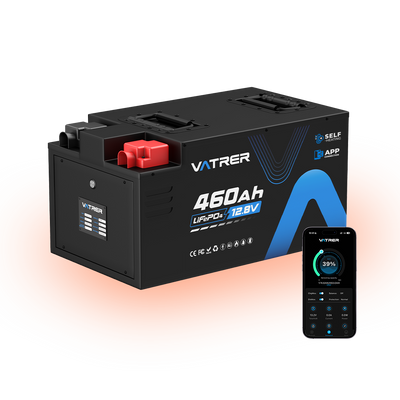
When you are ready to replace an aging battery system, Vatrer give you options across RV, marine, golf cart, off-grid, solar, and home backup applications. The lithium battery combines Smart BMS protection, low-temperature safeguards, Bluetooth or display-based monitoring on supported models, high-current output options, and application-focused battery formats that make system planning easier. Explore Vatrer lithium battery and choose the voltage, capacity, and configuration that match your next setup.