Golf Cart Batteries Buying Guide: How to Choose?
Reading time: 7 minutes

Share
Choosing the right golf cart battery is more than just a quick purchase, it's an investment that directly affects your cart's power, performance, and long-term reliability. Whether you use your cart for golfing, resort transportation, or everyday mobility, understanding how batteries work and what makes one better than another can save you time, money, and frustration.
This guide breaks down everything you need to know: from different types of golf cart batteries and lifespan to maintenance, voltage, cost, and safety features, including how modern lithium batteries like Vatrer Battery deliver dependable performance for years.

Understanding How Golf Cart Batteries Work
Golf carts rely on deep-cycle batteries, designed to deliver consistent power over long periods, unlike car batteries, which provide short bursts to start engines.
Here's how it works:
- Chemical energy inside the battery is converted into electrical energy that powers the motor and accessories.
- When charging, the flow of electricity reverses, replenishing the chemical energy.
- The battery voltage (like 36V or 48V) defines your system's power, while amp-hour capacity (Ah) determines how far your cart can travel per charge.
| Specification | Meaning | Typical Range |
|---|---|---|
| Voltage (V) | Total system output (power) | 36V / 48V systems |
| Ampere Hour (Ah) | Runtime or capacity | 75Ah – 150Ah |
| Cycle Life | Number of charge/discharge cycles before replacement | 300 – 5000 cycles |
Tips: Before testing a golf cart battery, check the voltage and amp-hour capacity listed in your user manual or on the battery label. Matching these numbers ensures compatibility and prevents performance drops.
Different Types of Golf Cart Batteries
Understanding the different types of golf cart batteries helps you decide which one suits your driving habits, budget, and maintenance preferences.
| Battery Type | Description | Advantages | Limitations | Maintenance |
|---|---|---|---|---|
| Flooded Lead-Acid (FLA) | Uses liquid electrolyte; needs water refills | Low cost, widely available | Heavy, prone to corrosion, frequent maintenance | High |
| AGM (Absorbed Glass Mat) | Sealed design with fiberglass mats | Spill-proof, vibration-resistant | Costlier, sensitive to overcharging | Low |
| Gel Batteries | Electrolyte in gel form | Leak-proof, works in extreme temps | Slow charging, limited peak power | Low |
| Lithium (LiFePO₄) | Uses lithium iron phosphate cells and BMS | Lightweight, long lifespan, fast charging, maintenance-free | Higher upfront cost | None |
Among these, LiFePO4 lithium batteries stand out for their safety, stability, and durability, offering up to 8-10 years of service with minimal upkeep.
Tips: If you're tired of refilling water or cleaning corrosion, upgrading to the best lithium golf cart battery is a smart long-term move.
Comparing Lead-Acid vs Lithium Golf Cart Batteries
When comparing lead-acid vs lithium golf cart batteries, the difference in performance, weight, and efficiency is significant.
| Feature | Lead-Acid | Lithium (LiFePO4) |
|---|---|---|
| Weight | 60–80 lbs each | 50–70% lighter |
| Lifespan | 3–5 years | 8–10 years |
| Charging Time | 8–10 hrs | 4–6 hrs |
| Depth of Discharge | 40–50% usable | 90–100% usable |
| Energy Efficiency | ~75% | ~95% |
| Maintenance | Water refills, corrosion cleaning | Maintenance-free |
| Environmental Impact | Contains lead and acid | Non-toxic, recyclable |
| Safety | Risk of acid leaks and gas | Stable |
Which is better?
If you drive your cart daily or on hilly terrain, lithium batteries deliver stronger acceleration, faster charging, and longer range, all while reducing maintenance costs.
Key Factors to Consider Before Buying Golf Cart Batteries
Before deciding what size battery for your golf cart, evaluate these key factors carefully:
- Voltage and Configuration
Most golf carts run on 36V or 48V systems.
Common setups include 6×8V, 4×12V, or 8×6V configurations.
Always check your golf cart battery cables and compartment size for compatibility.
- Capacity and Usage Frequency
High Ah = longer driving range.
Choose 100Ah+ for frequent or commercial use, 75Ah-90Ah for light driving.
Tip: Estimate your daily mileage before purchasing. Multiply your average trip distance by two and choose a battery with a capacity at least 30% higher than your required capacity to ensure the battery matches your usage habits.
- Charging Time and Efficiency
Faster charging means less downtime.
Lithium batteries can reach full charge in about 5 hours with a proper charger.
Tips: Always use a charger designed for your battery type, incorrect charging is a leading cause of shortened golf cart battery lifespan.
- Weight and Installation
Lighter batteries improve handling and reduce strain on suspension and tires. Lithium models can weigh 50% less, making installation easier.
- Temperature and Climate
Cold temperatures reduce golf cart battery voltage output for lead-acid models, while LiFePO4 remains stable in most climates.
- Maintenance and Testing
Check terminal corrosion and electrolyte levels regularly (for lead-acid).
For lithium, periodically monitor voltage and golf cart battery meter readings.
- Safety and BMS
A quality Battery Management System (BMS) protects lithium packs from overcharging, short circuits, and overheating, critical for both safety and performance.
- Warranty and After-Sales Service
Look for brands that offer at least 3-5 years of warranty and responsive technical support.
How to Match a Battery to Your Golf Cart
Many owners overlook compatibility. To avoid common mistakes:
- Check your owner's manual for required voltage and battery group size.
- Confirm connector types and cable orientation.
- Measure available compartment space before purchasing.
- Verify the charger's output (voltage and amps).
Tips: Buying a battery that doesn't physically fit or match your charger is one of the most common purchasing errors.
Budget and Golf Cart Battery Cost
Many owners focus on the upfront price, but golf cart battery cost should be evaluated over its total lifespan.
| Battery Type | Average Initial Cost | Typical Lifespan | Long-Term Value |
|---|---|---|---|
| Flooded Lead-Acid | $1,000 – $1,500 | 2 – 3 years | High maintenance cost |
| AGM / Gel | $1,500 – $1,800 | 3 – 5 years | Moderate value |
| Lithium (LiFePO₄) | $2,000 – $2,500 | 8 – 10 years | Lowest lifetime cost |
Tips: A slightly higher upfront cost for lithium pays off quickly through zero maintenance, faster charging, and far fewer replacements.
Where to Buy Golf Cart Batteries
When searching for golf cart batteries near me or online, consider these sources:
- Authorized dealers for brand warranties and installation help.
- Specialized golf cart shops that can test your charger and cable setup.
- Manufacturer websites (like Vatrer Battery) offering technical support and fast delivery.
Avoid buying from unknown resellers or second-hand listings without safety certifications.
Golf Cart Battery Charging Habits and Maintenance
Even the best batteries can degrade prematurely if not charged and maintained properly.
Best Practices:
- Recharge after every use, don't let your battery fully discharge.
- Store between 50-80% charge during long inactivity periods.
- Keep connections tight and corrosion-free.
- Use a smart charger that automatically stops when full.
Common Mistakes to Avoid:
- Mixing old and new batteries.
- Using the wrong charger.
- Leaving the battery discharged for weeks.
- Ignoring low water levels in flooded batteries.
Tips: If you're unsure how to check performance, learn about testing a golf cart battery using a multimeter or battery load tester.
Environmental and Performance Benefits of Golf Cart Batteries
Switching to lithium doesn't just improve performance, it's also better for the planet.
| Aspect | Lead-Acid | Lithium (LiFePO4) |
|---|---|---|
| Energy Efficiency | 70–80% | 95%+ |
| Recyclability | Moderate | High |
| Toxic Components | Lead, acid | None |
| Maintenance Impact | Frequent | Minimal |
| Vehicle Wear | Heavier weight = more strain | Lightweight = less wear |
Tip: Lightweight lithium batteries can improve range by up to 20%, reducing both energy use and wear on your vehicle's parts.
Choosing a Reliable Golf Cart Battery Brand
When researching what are the best golf cart batteries, reputation, technology, and after-sales support matter as much as specifications.
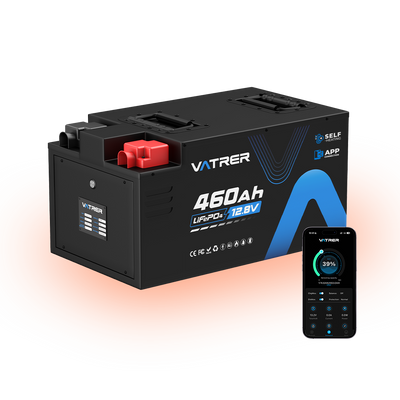
Vatrer Battery, a trusted manufacturer of advanced LiFePO4 golf cart batteries, delivers all-around performance with safety and efficiency in mind.
Why choose Vatrer:
- 4000+ deep cycles (8-10 years of service life).
- Built-in Smart 200A BMS to prevent overcharge, short circuit, and temperature spikes.
- Fast charging (5-6 hours to full) with included 58.4V 20A charger.
- Up to 50-60 miles per charge, ideal for long courses or commercial fleets.
- Real-time monitoring via LCD display and mobile app.
- IP67 waterproof and dustproof housing.
- Lightweight design reduces total cart weight by 50%.
- Offer warranty and responsive after-sales support.
Upgrade your golf cart with Vatrer LiFePO4 battery lineup, a modern power one-stop conversion kit solution built for reliability, safety, and long-term efficiency.
Buying Golf Cart Batteries Checklist Before You Purchase
Before you search for golf cart batteries near me or decide where to buy golf cart batteries, review this quick checklist:
- Confirm system voltage (36V or 48V).
- Match capacity (Ah) with driving needs.
- Measure compartment space and cable length.
- Check the connector type and polarity.
- Ensure charger compatibility.
- Verify certifications (UL, CE, UN38.3).
- Review warranty and customer support.
- Avoid refurbished or unbranded batteries.
Conclusion
Selecting the right golf cart battery isn't just about price, it's about performance, reliability, and peace of mind.
Lead-acid batteries remain budget-friendly for occasional use, but lithium golf cart batteries like Vatrer LiFePO4 deliver longer lifespan, faster charging, lighter weight, and nearly maintenance-free operation.
Whether you're maintaining a fleet or upgrading a personal cart, investing in a quality battery ensures better power delivery, lower long-term costs, and a smoother ride for years ahead.
Share