How Far Can a Golf Cart Go on a Full Battery Charge?
Reading time: 6 minutes
Electric golf carts are no longer used only for getting around the course. Across the U.S., they are common in gated communities, campgrounds, beach towns, resorts, farms, large properties, and short-distance neighborhood travel. Because of that, one question comes up often before buying or upgrading a cart: how far can a golf cart go on a full battery charge?
In most cases, a standard electric golf cart can travel about 15 to 30 miles on a full charge with lead-acid batteries. A lithium-powered golf cart can often go farther, commonly around 25 to 50 miles or more, depending on battery capacity, terrain, load, speed, tire size, and driving habits.
The exact range is not the same for every cart. A cart used on a flat golf course with two riders will perform very differently from a lifted cart carrying four passengers through a hilly neighborhood. This guide explains the main factors that affect range and how to get more distance from each charge.

Understanding Golf Cart Battery Range
A golf cart’s driving range depends mostly on the battery pack. The battery stores the energy that powers the motor, lights, controller, and accessories. The more usable energy the pack can deliver, the farther the cart can usually travel.
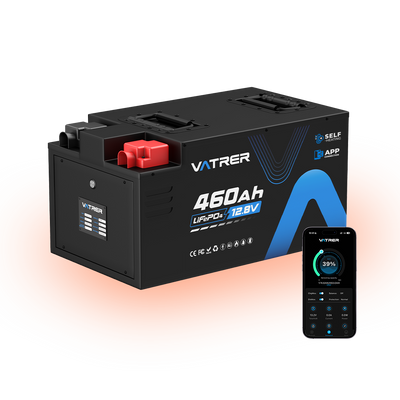
Most electric golf carts use either lead-acid batteries or lithium batteries. Lead-acid batteries have been the traditional option for many years because they cost less upfront and are widely available. Lithium batteries, especially LiFePO4 batteries, are becoming more popular because they are lighter, more efficient, and better at maintaining steady power as they discharge.
Battery capacity is often measured in amp-hours (Ah), but range is also affected by voltage, motor efficiency, controller settings, cart weight, and the condition of the battery. A higher Ah rating usually means more stored energy, but it does not guarantee a specific mileage number without considering how the cart is used.
Typical Golf Cart Range on a Full Charge
For most U.S. golf cart owners, the expected range falls into a few common ranges. These numbers are general estimates, not fixed guarantees.
| Battery Type | Typical Range Per Full Charge | Best Use Case |
|---|---|---|
| Older Lead-Acid Pack | 10-20 miles | Short rides, light use, flat terrain |
| Healthy Lead-Acid Pack | 15-30 miles | Golf courses, communities, basic transport |
| Lithium LiFePO4 Pack | 25-50+ miles | Longer rides, hilly areas, frequent use |
A well-maintained lead-acid golf cart can usually handle a full round of golf and additional light driving. However, the range often drops as the battery ages or as the cart carries heavier loads.
Lithium batteries often provide better range because they are lighter and more energy-efficient. They also hold voltage more consistently, so the cart does not feel as weak near the end of the charge compared with many lead-acid systems.
Factors That Affect Golf Cart Range
Battery Type and Capacity
Battery type is one of the biggest range factors. Lead-acid batteries are heavier and lose voltage more noticeably as they discharge. Lithium batteries are lighter and usually provide more usable energy from the same rated capacity.
Capacity also matters. A 48V 100Ah lithium battery will generally provide much more range than a smaller or older lead-acid pack, assuming the cart is set up correctly and driven under similar conditions.
Battery Age and Condition
A new battery pack usually provides better range than an older one. Over time, batteries lose capacity. Lead-acid batteries are especially sensitive to deep discharge, low water levels, sulfation, and poor charging habits.
If your cart used to drive much farther but now runs out of power quickly, the battery pack may be aging or damaged. Testing voltage under load can help identify whether the battery is still healthy.
Terrain and Elevation
Flat terrain is easier on a golf cart battery. Hills, rough paths, soft grass, gravel, sand, and uneven ground all require more power. If you drive through a hilly neighborhood or around a large property with slopes, your range will be lower than the same cart driven on smooth pavement.
Passenger and Cargo Weight
The more weight your cart carries, the more energy it uses. Extra passengers, golf bags, coolers, tools, hunting gear, beach equipment, or cargo boxes can reduce range.
Lift kits, larger tires, rear seats, and utility beds also add weight and rolling resistance. These upgrades are useful, but they can reduce how far the cart goes per charge.
Driving Speed and Style
Fast starts, hard acceleration, frequent braking, and top-speed driving drain the battery faster. A smooth driving style helps conserve power.
For the best range, accelerate gradually, maintain a steady speed, and avoid unnecessary stop-and-go driving. This is especially helpful in neighborhoods and campgrounds where carts are used for repeated short trips.
Weather and Temperature
Battery performance changes with temperature. Cold weather can reduce usable capacity, especially for lead-acid batteries. Hot weather can increase battery stress and speed up long-term aging if the cart is stored or charged in extreme heat.
In warmer states, keep the cart shaded when possible. In colder regions, store the battery properly during winter and avoid expecting maximum range in low temperatures.
Tire Pressure and Rolling Resistance
Low tire pressure makes the motor work harder. Larger off-road tires can also increase rolling resistance compared with standard golf cart tires.
Keeping tires properly inflated is one of the easiest ways to improve efficiency and avoid wasting battery power.
Accessories and Electrical Loads
Lights, speakers, fans, USB chargers, GPS units, winches, and other accessories all use energy. A few small accessories may not make a big difference, but heavy electrical use can shorten range.
If your cart has several aftermarket accessories, make sure they are wired correctly and turned off when not needed.
How to Get More Range From a Golf Cart Battery
-
Keep batteries properly charged: Charge after use and avoid leaving the battery deeply discharged.
-
Maintain lead-acid batteries: Check water levels, clean terminals, and use the correct charger.
-
Reduce unnecessary weight: Remove cargo, tools, or accessories you do not need for the trip.
-
Drive smoothly: Avoid hard acceleration, sudden stops, and constant high-speed driving.
-
Check tire pressure: Proper inflation reduces rolling resistance and improves efficiency.
-
Plan flatter routes: Avoid steep hills or rough terrain when range matters.
-
Store the cart correctly: Protect the battery from extreme heat, freezing conditions, and long idle periods at low charge.
-
Consider lithium if range is a priority: Lithium batteries can reduce weight and provide more consistent power output.
When Should You Upgrade the Battery for More Range?
If your golf cart no longer covers your normal route, needs charging too often, slows down on hills, or loses power quickly under load, the battery pack may be the limiting factor.
Lead-acid replacement may make sense if you want the lowest upfront cost and use the cart lightly. Lithium may be the better choice if you want longer range, less maintenance, lighter weight, faster charging, and stronger performance over time.
Before upgrading, check your cart voltage, controller compatibility, charger requirements, available battery tray space, and cable condition. A proper battery upgrade should match both your cart and how you actually drive.
Final Thoughts
On a full charge, a typical lead-acid golf cart can usually travel about 15 to 30 miles, while a lithium-powered cart can often reach 25 to 50 miles or more under the right conditions. Your actual range depends on battery health, terrain, load, temperature, tire setup, accessories, and driving style.
If you want the most distance from every charge, maintain the battery, reduce unnecessary weight, drive smoothly, and keep the cart in good mechanical condition. For owners who need more range and less maintenance, upgrading to lithium can make a golf cart feel more efficient, reliable, and ready for everyday use.
Share