What is Off-Grid Solar Power System
Reading time: 7 minutes

Share
Across the world, more people are choosing solar energy as a reliable and sustainable source of power. Among different types of solar setups, off-grid solar power systems are becoming increasingly popular for those who want to achieve complete energy independence. Whether it's a remote cabin, a farm, or a full family home, going off-grid allows you to generate and store your own electricity without depending on the utility grid.
But what exactly is an off-grid solar power system? How does it work, and when does it make sense to install one? This guide explains everything you need to know to help you decide if an off-grid solar setup is right for you.

What Is an Off-Grid Solar Power System
An off-grid solar power system is a standalone energy system that operates independently of the public electricity grid. Unlike grid-tied systems, which send excess power to a utility network, off-grid systems are fully self-sufficient, they generate, store, and supply electricity within a closed loop.
In simple terms, solar panels capture sunlight and convert it into electricity, which is stored in a battery for later use. The inverter then converts the stored DC (direct current) into usable AC (alternating current) for home or business appliances.
Therefore, off-grid systems are ideal for areas with limited or no grid access, such as rural homes, mountain cabins, boats, RVs, and small commercial sites. They are also chosen by users seeking energy security, long-term cost savings, or sustainable living solutions.
Main Components of an Off-Grid Solar Power System
An effective off-grid solar setup includes several key parts that work together to ensure a consistent energy supply:
- Solar Panels: The foundation of the system, responsible for generating power. Monocrystalline panels offer higher efficiency, while polycrystalline panels are more affordable.
- Charge Controller: Protects the batteries by regulating current and voltage during charging. MPPT (Maximum Power Point Tracking) controllers are more efficient than PWM types.
- Battery Bank: Stores the generated energy. Modern systems favor LiFePO4 solar batteries for their high energy density, safety, and lifespan, up to 4,000-5,000 cycles.
- Inverter: Converts stored DC into AC electricity. Pure sine wave inverters are ideal for sensitive electronics.
- Backup Generator (optional): Provides auxiliary power during long cloudy periods or high-demand peaks.
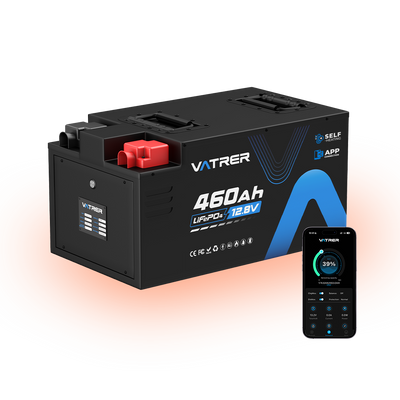
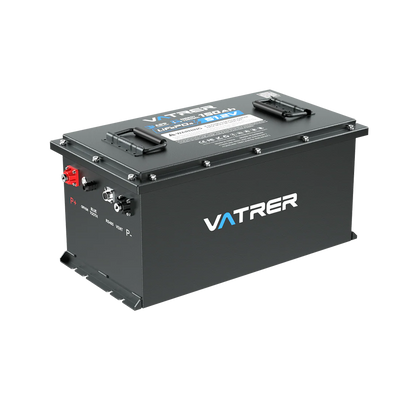
Tip: Choose a system with an intelligent Battery Management System (BMS) to protect against overcharging, short-circuiting, and temperature extremes. Vatrer LiFePO4 batteries come with built-in smart BMS and high-capacity cells, and support remote monitoring via Bluetooth, ensuring reliability even in demanding off-grid setups.
How an Off-Grid Solar Power System Works
An off-grid system collects solar energy during the day, storing it, and using it whenever needed, day or night.
Its main operation process is as follows:
- Energy Generation: Solar panels absorb sunlight and generate DC electricity.
- Charge Regulation: A charge controller regulates the voltage and current coming from the panels to safely charge the batteries.
- Energy Storage: Batteries (usually lithium-based, such as LiFePO4) store excess electricity for nighttime or cloudy days.
- Power Conversion: The inverter converts DC power into AC electricity to run household appliances.
- Load Supply: The system powers everything from lights and refrigerators to pumps and entertainment devices.
At night, the system automatically switches to battery power. When the battery runs low, a backup generator (if included) can recharge it or supply temporary power.
Off-Grid vs Grid-Tied vs Hybrid Solar Systems
Choosing the right type of solar setup depends on your goals, budget, and location. The following table compares the three main system types:
| Feature | Off-Grid System | Grid-Tied System | Hybrid System |
|---|---|---|---|
| Grid Connection | No | Yes | Yes (with backup) |
| Energy Storage | Battery bank | None | Battery + grid |
| Power Supply | Self-sufficient | From grid + solar | Solar + grid + battery |
| Best For | Remote homes, RVs | Urban homes | Areas with unstable grids |
| Cost | Higher upfront | Lower | Moderate |
| Energy Independence | 100% | Low | Partial |
Hybrid systems offer flexibility, but a fully off-grid system delivers true energy independence and freedom from utility bills.
Benefits of Using an Off-Grid Solar Power System
- Complete Energy Independence: You're not affected by power outages, grid failures, or rising utility prices.
- Sustainability: Off-grid solar systems rely entirely on renewable energy, reducing carbon emissions and environmental impact.
- Reliable Power in Remote Areas: Perfect for cabins, islands, or mobile setups where grid connection isn't possible.
- Long-Term Cost Savings: Although the initial investment is higher, the system pays off over time through free solar energy and reduced maintenance.
- Improved Efficiency with Lithium Batteries: LiFePO4 batteries store energy more effectively and last 5-10 times longer than traditional lead-acid batteries.
For users planning to build an off-grid solar setup, Vatrer Battery provides the best lithium batteries for off-grid solar power generation with intelligent BMS, real-time monitoring, and long-cycle durability. Their batteries ensure stable power storage and extended lifespan, ideal for off-grid applications.
Limitations of an Off-Grid Solar Power System
While the advantages are significant, there are also challenges to consider:
- Higher Upfront Costs: Initial investment for batteries, panels, and inverters can be substantial.
- Weather Dependency: Cloudy or rainy days reduce solar generation and may require backup support.
- Maintenance Needs: Dust and dirt on panels can reduce efficiency, older lead-acid batteries require regular maintenance.
- Limited Storage Capacity: If the battery bank isn't sized correctly, it may not meet heavy nighttime or seasonal loads.
Tip: Upgrading to lithium batteries with advanced BMS (like Vatrer LiFePO4) minimizes maintenance and increases usable capacity.
When Is an Off-Grid Solar Power System the Best Choice
Off-grid solar systems are ideal in the following scenarios:
- Remote Locations: Where utility power isn't available or too expensive to connect.
- Unstable Grid Regions: Frequent blackouts or voltage drops make off-grid power more reliable.
- Eco-Lifestyle Users: Those pursuing sustainable, self-reliant living.
- Mobile and Recreational Use: RVs, boats, and remote cabins.
Example: A small farm using a 10kWh off-grid system with lithium storage can operate irrigation, lighting, and refrigeration without relying on the grid, even during outages.
How to Size Your Off-Grid Solar Power System
Proper sizing ensures your system delivers consistent power without overloading. Follow these steps:
- Estimate Your Daily Energy Use: Add up the wattage of all appliances × usage hours. You can also use an online calculator.
- Calculate Solar Panel Capacity: Divide total daily watt-hours by average sunlight hours.
- Determine Battery Capacity: Multiply daily energy use by desired backup days, then divide by battery voltage.
- Select Inverter and Controller: Choose an inverter rated 25-30% above your peak load.
Typical Household Energy Needs Table Example
| Appliance | Power (W) | Daily Use (hrs) | Daily Energy (Wh) |
|---|---|---|---|
| Refrigerator | 150 | 8 | 1,200 |
| Lights | 80 | 5 | 400 |
| TV + Router | 120 | 4 | 480 |
| Water Pump | 250 | 2 | 500 |
| Total | — | — | 2,580 Wh (≈2.6 kWh/day) |
Tip: Always oversize the battery bank by 20-30% to account for inefficiencies and cloudy weather.
How Much Does an Off-Grid Solar Power System Cost
The cost depends on capacity, component quality, and installation complexity.
| System Size | Application | Estimated Cost (USD) |
|---|---|---|
| Small (2–5 kWh) | RVs, cabins | $2,000 – $5,000 |
| Medium (5–10 kWh) | Homes, farms | $6,000 – $12,000 |
| Large (10–20 kWh+) | Villas, businesses | $13,000 – $25,000+ |
Although off-grid setups have higher upfront costs than grid-tied systems, they eliminate monthly power bills and can achieve full ROI within 5-8 years. High-quality lithium batteries, such as Vatrer LiFePO4 models, extend system life and lower long-term replacement costs.
You may also want to know the following information:
How much does a solar system cost for a 2000 sq ft house?
How much does a home solar system cost?
Off-Grid Solar Power System Installation Tips and Guide
Installing an off-grid system requires planning and precision.
Before installation:
- Evaluate your location's sunlight exposure and roof angle.
- Choose durable panels and a properly rated inverter.
- Select reliable lithium batteries with built-in BMS protection.
During installation:
- Follow manufacturer's wiring diagrams carefully.
- Use appropriate fuses, disconnects, and waterproof cable management.
- Test each component before system startup.
After installation:
- Clean solar panels regularly to maintain efficiency.
- Monitor battery performance and energy output via the display or mobile app.
Tip: If you're not confident handling electrical wiring, hire a certified solar installer for safety and performance assurance.
Conclusion
An off-grid solar power system offers true energy freedom, generating and storing your own electricity anywhere, anytime. By understanding how it works, what components you need, and how to size and install it properly, you can create a system that's both cost-effective and environmentally friendly.
For those ready to start their off-grid journey, Vatrer Battery's LiFePO4 solar batteries deliver long life, high safety, and intelligent performance, making them a trusted foundation for any off-grid power setup. Start planning your off-grid solar system today and take the first step toward sustainable, independent energy living.
Share