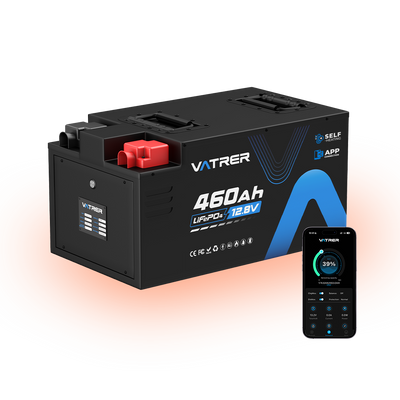
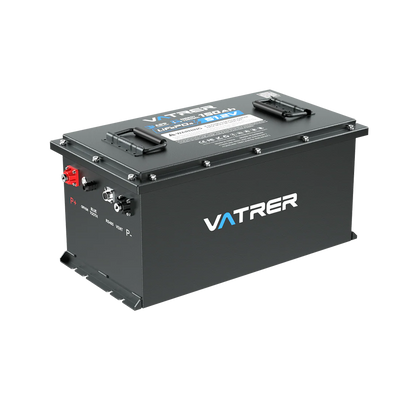
LiFePO4 vs Lithium Ion: A Comprehensive Comparison
Reading time: 6 minutes
Lithium batteries power many parts of modern life, from smartphones and laptops to RVs, golf carts, solar storage systems, marine electronics, and electric vehicles. Two terms buyers often compare are Lithium Iron Phosphate (LiFePO4) and lithium-ion. Although LiFePO4 is technically one type of lithium-ion battery chemistry, people commonly use “lithium-ion” to refer to chemistries such as NMC, NCA, or LCO, which are common in phones, laptops, power tools, and many EV battery packs.
The right choice depends on what matters most: safety, cycle life, weight, energy density, cost, charging performance, or long-term value. For U.S. applications such as RV house batteries, golf cart batteries, off-grid solar, marine systems, and home backup power, LiFePO4 often stands out because of its stability and long lifespan. For compact electronics and high-performance EV applications, other lithium-ion chemistries may be preferred because they store more energy in less space.

What Is a LiFePO4 Battery?
LiFePO4 stands for lithium iron phosphate. This battery chemistry uses lithium iron phosphate as the cathode material. It is known for excellent thermal stability, long cycle life, strong safety characteristics, and reliable performance in deep-cycle applications.
LiFePO4 batteries are commonly used in RVs, golf carts, trolling motors, solar energy storage, off-grid cabins, backup power systems, and mobility equipment. These applications often need batteries that can be charged and discharged repeatedly without rapid capacity loss.
What Is a Lithium-Ion Battery?
In everyday use, the term lithium-ion often refers to lithium battery chemistries such as lithium cobalt oxide, nickel manganese cobalt, or nickel cobalt aluminum. These batteries are popular because they offer high energy density, which means they can store more energy in a smaller and lighter package.
Common lithium-ion batteries are widely used in smartphones, tablets, laptops, cordless tools, drones, e-bikes, and many electric vehicles. When size and weight are the top priorities, these chemistries can be very effective.
LiFePO4 vs Lithium-Ion: Main Differences
| Comparison Factor | LiFePO4 Batteries | Common Lithium-Ion Batteries |
|---|---|---|
| Energy Density | Lower, but still efficient for deep-cycle storage | Higher, ideal for compact electronics and lightweight packs |
| Cycle Life | Usually much longer | Usually shorter depending on chemistry and use |
| Safety | Very stable with lower thermal runaway risk | Requires strong protection design and thermal management |
| Weight | Heavier for the same energy capacity | Lighter and more compact |
| Cost Over Time | Often better long-term value for frequent cycling | May be cheaper upfront for smaller applications |
| Best Uses | RVs, golf carts, marine, solar, backup power | Phones, laptops, drones, EVs, power tools |
Energy Density
Energy density describes how much energy a battery can store for its weight or size. Common lithium-ion batteries usually have higher energy density than LiFePO4 batteries. This is why they are preferred in smartphones, laptops, drones, and electric vehicles where every pound and inch matters.
LiFePO4 batteries have lower energy density, but they are still highly practical for larger systems where safety, cycle life, and reliability matter more than the smallest possible size. In an RV, golf cart, boat, or solar battery bank, a slightly larger battery is often acceptable if it lasts longer and operates more safely.
Cycle Life and Long-Term Value
Cycle life is one of the biggest advantages of LiFePO4. A quality LiFePO4 battery can often deliver thousands of cycles when charged and discharged correctly. This makes it a strong choice for deep-cycle use, where the battery is used regularly and recharged often.
Common lithium-ion batteries usually have a shorter cycle life, although this depends on chemistry, depth of discharge, charging habits, and temperature. For devices like phones and laptops, this trade-off is acceptable because users value lightweight design. For RVs, golf carts, and solar storage, longer cycle life usually matters more.
Safety and Thermal Stability
LiFePO4 batteries are known for strong safety performance. Their chemistry is more resistant to overheating and thermal runaway than many other lithium-ion chemistries. This is one reason LiFePO4 is widely used in power systems where batteries may be installed in RV compartments, boats, garages, solar sheds, and utility spaces.
Common lithium-ion batteries can still be safe when designed properly, but they require careful battery management, temperature control, and protection circuitry. For high-energy applications, safety design is critical regardless of battery chemistry.
Charging Requirements
Both battery types require compatible chargers and battery management systems. LiFePO4 batteries typically use a charging profile designed for lithium iron phosphate chemistry, often with a full-charge voltage around 14.2V to 14.6V for a 12V battery pack, depending on the manufacturer.
Common lithium-ion batteries use different voltage ranges and charging limits. Using the wrong charger can damage the battery or trigger safety protection. For any lithium battery, always match the charger to the battery chemistry, voltage, and current rating.
Temperature Performance
Temperature affects every battery. LiFePO4 batteries usually perform well in a wide range of conditions, but charging below freezing should be avoided unless the battery has approved low-temperature protection or self-heating. This is important for U.S. users with RVs, boats, golf carts, and solar systems stored outdoors or in unheated spaces.
Common lithium-ion batteries may offer good cold-weather energy density, but they can be more sensitive to heat and require careful thermal management in high-power applications. For hot-weather regions such as Arizona, Texas, Florida, and Southern California, heat management is important for all lithium battery types.
Environmental and Material Considerations
LiFePO4 batteries do not use cobalt, which is one reason many buyers view them as a more responsible choice for stationary and deep-cycle applications. Their long lifespan also means fewer replacements over time.
Some common lithium-ion batteries use cobalt, nickel, or other materials that may carry higher environmental or sourcing concerns. Recycling and responsible disposal are important for every battery chemistry, but long service life can reduce replacement frequency and waste.
Best Applications for LiFePO4 Batteries
- RV house batteries: Long cycle life, stable voltage, and low maintenance make LiFePO4 ideal for camping and off-grid travel.
- Golf carts: LiFePO4 batteries reduce weight, improve consistency, and require less maintenance than lead-acid batteries.
- Solar storage: LiFePO4 is well suited for daily charge and discharge cycles in off-grid or backup systems.
- Marine systems: Stable output and lighter weight compared with lead-acid batteries make LiFePO4 useful for boats and trolling motors.
- Backup power: Long shelf life, stable discharge, and built-in BMS protection make LiFePO4 practical for emergency power.
Best Applications for Common Lithium-Ion Batteries
- Smartphones and laptops: High energy density supports lightweight and compact device design.
- Power tools: Strong output and compact packs are useful for cordless tools.
- Drones and portable electronics: Weight savings are critical for runtime and portability.
- Electric vehicles: Many EV battery packs use high-energy lithium-ion chemistries for extended driving range.
- E-bikes and scooters: Compact energy storage helps reduce total vehicle weight.
Which Battery Should You Choose?
Choose LiFePO4 if your priority is safety, long cycle life, deep-cycle durability, low maintenance, and long-term value. It is usually the better choice for RVs, golf carts, boats, solar energy storage, off-grid systems, and home backup power.
Choose common lithium-ion chemistries when compact size, low weight, and high energy density matter most. These batteries are usually better for phones, laptops, drones, e-bikes, power tools, and other portable electronics.
Conclusion
LiFePO4 and common lithium-ion batteries are both valuable technologies, but they serve different needs. LiFePO4 batteries offer excellent safety, long cycle life, and strong deep-cycle performance, making them ideal for RV, golf cart, marine, solar, and backup power applications. Common lithium-ion batteries provide higher energy density, making them better for compact electronics and lightweight mobile devices.
For U.S. users choosing a battery for long-term power storage, LiFePO4 is often the better investment. For small devices where weight and size are the main concerns, common lithium-ion batteries remain the practical choice.
Share