Embracing the 3-3-3 Rule for RV Living: Enhancing Your Journey with Lithium Batteries
Reading time 5 minutes

Share
If you've ever spent hours behind the wheel of your RV, pushed yourself to reach the next campground, and arrived too tired to enjoy it, that's exactly where the 3-3-3 Rule for RVing comes in.
It's not a strict law or a technical system, it's a simple outdoor travel rhythm that helps you enjoy the journey instead of rushing through it.
Whether you're new to RV travel or looking for ways to make long trips more enjoyable, the 3-3-3 rule might just change how you hit the road.

What Is the 3-3-3 Rule in RVing?
The 3-3-3 rule is not complicated and easy to remember. It includes the following three points:
- Drive no more than 300 miles in a day.
- Try to arrive by 3 PM.
- Stay at least three nights before moving again.
At its core, this rule is about balance. Instead of squeezing in one more highway stretch or pushing yourself past dark, the 3-3-3 rule encourages you to slow down, rest, and actually enjoy the RV lifestyle. If you are active on communication platforms, you'll find this rule mentioned again and again in RV forums and social groups, because it works.
Why the 3-3-3 Rule Works for RV Trips?
Because long drives can drain both your body and your battery, when you spend more than 5-6 hours driving, fatigue sets in, reaction times slow, and focus slips. The 300-mile limit keeps things manageable and safe.
Getting to your campground by 3 PM means there's still daylight to set up your rig, connect power and water, and relax, you no longer fumble with hookups in the dark. Staying three nights allows you to catch up on rest, explore the local area, and recharge, both personally and mentally.
If you're using a lithium RV battery system, this rhythm also aligns perfectly with energy management. You have time to let solar panels top off your charge during the day and monitor your power usage calmly without rushing.
How to Apply the 3-3-3 Rule in Your RV Lifestyle?
When I first heard about this rule, I thought it sounded too simple. But after one long, exhausting road trip through Arizona, I gave it a try, and it completely changed my RV routine.
You can start practicing this rule in the following ways:
- Plan your route around 300-mile stretches: Use RV trip planners or Google Maps to check realistic driving times, including rest stops and gas breaks.
- Set arrival goals, not departure pressure: Leave early enough to reach your next spot by mid-afternoon. This gives you time to find a campsite, set up, and even take a walk before sunset.
- Stay for three days when you can: Use that time to do laundry, refill water, dump tanks, and restock groceries.
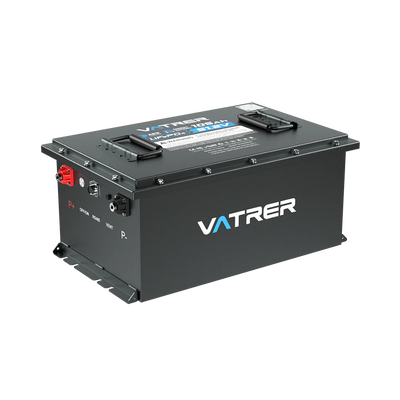
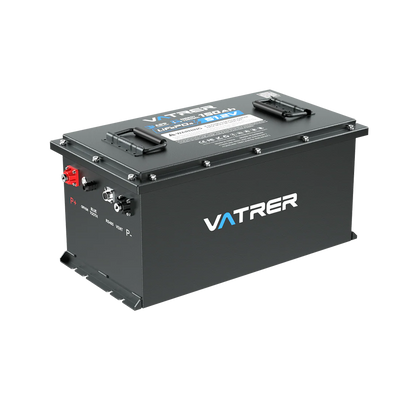
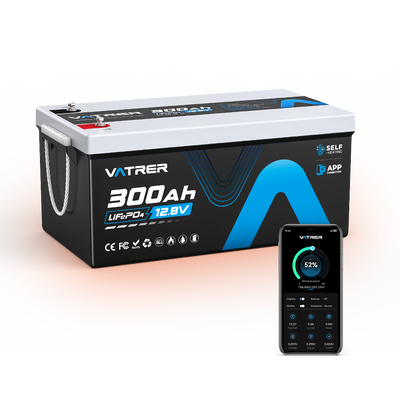
- Keep your power system in check: If your RV is off-grid or solar-powered, monitor your battery state of charge (SOC) each morning. A reliable LiFePO4 battery, like the Vatrer 12V lithium battery, gives you steady performance across multiple days without worrying about deep discharges or power drops.
Tips: The 3-3-3 rule can also work beautifully with energy-efficient setups. Combining solar panels, charge controllers, and lithium batteries can keep your RV fully powered without plugging in.
Benefits of Following the 3-3-3 Rule While RVing
When you follow this rhythm, you'll notice several benefits almost immediately:
- More Relaxed Travel Days: You're not racing the clock, and that alone makes a huge difference.
- Improved Safety: Less driving fatigue means better focus and fewer on-the-road risks.
- Healthier Energy Use: You can manage your RV battery charging rules more efficiently, letting your solar system or generator work at a natural pace.
- Less Wear on Your RV: Shorter drives and longer stays reduce strain on your engine, tires, and suspension.
- Better Enjoyment: You'll actually see the places you’re visiting instead of just passing through.
If you're planning to upgrade or replace your batteries to match your RV lifestyle, a modern lithium RV battery system, like the Vatrer LiFePO4 battery with a built-in BMS, is a perfect fit for your lifestyle, supporting up to 80%-100% discharge capacity, providing stable and reliable power for multi-day stays.
When Need to Adjust or Break the 3-3-3 Rule
Like any rule, the 3-3-3 isn't one-size-fits-all.
If you're driving short distances between nearby campgrounds, you might travel only 100 miles. On cross-country routes, you might go a bit over 300. The idea isn't to stick to the numbers exactly, it's to travel at a pace that keeps you comfortable and safe.
You might also adjust your plan depending on:
- Weather conditions
- RV park availability
- Your battery charge level or solar input
- Family needs or trip timing
And that's the beauty of the rule, it's flexible.
Common Mistakes RVers Make With the 3-3-3 Rule
Even though this rule is simple, some travelers still miss the point:
- Trying to “make up time” by driving longer days
- Ignoring how terrain and weather affect energy use
- Forgetting to check power levels before settling for multi-day stops
- Treating it as a strict checklist rather than a helpful rhythm
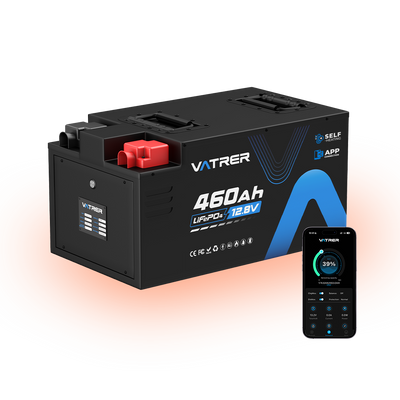
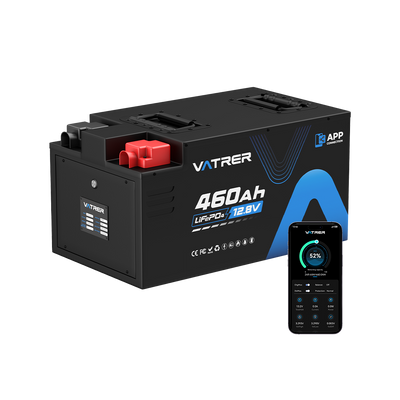
Tips: Before every travel day, double-check your battery voltage and solar charge. With a smart lithium battery like Vatrer 12V 460Ah battery, you can monitor everything in real time using an LCD or mobile app, ensuring smooth energy management throughout your journey.
Pro Tips to Make the Most of the 3-3-3 Rule
If your first campground is full, having a Plan B saves stress.
- Use solar wisely: Adjust panel angles at each site to maximize sunlight for your battery bank.
- Follow the 40-80 Rule: Keep your battery between 40% and 80% charge for longer life (especially with lead-acid batteries).
- Leverage your BMS: A good Battery Management System monitors temperature, voltage, and current automatically, a must-have for off-grid setups.
Track your comfort, not just distance. If you're tired after 200 miles, stop early. That's still living by the rule.
Conclusion
The 3-3-3 rule for RVing isn't about restrictions, it's about freedom. It helps you find the right rhythm between travel and rest, work and play, energy and peace.
When you pair this simple travel method with reliable power, like Vatrer lithium batteries, you gain real independence. No more worrying about plug-ins or generator hours, just pure flexibility, wherever the road takes you.
Ready to make your next trip smoother? Explore the full range of Vatrer lithium RV batteries designed for long-distance travelers, off-grid adventurers, and anyone who wants worry-free power on the road. Find the right setup for your RV lifestyle.
Share