AGM vs Lithium RV Batteries: Which is Better for you
Reading time: 7 minutes

Share
Choosing the right RV battery is one of the most important decisions you'll make for your power system. Whether you're running lights for a weekend trip or relying on solar power for full-time van life, your battery choice directly affects reliability, comfort, and long-term cost.
For years, AGM batteries were the default upgrade from traditional flooded lead-acid. Today, lithium RV batteries, especially LiFePO4, are becoming the new standard. This has left many RV owners asking the same question: AGM vs lithium RV batteries—which is better?
Key Takeaways
- Lithium RV batteries provide significantly more usable capacity than AGM batteries of the same size.
- AGM batteries cost less upfront, but lithium batteries usually cost less over time.
- Lithium batteries are lighter, charge faster, and perform better for off-grid RV use.
- AGM batteries can still make sense for occasional or budget-focused RV camping.
- Cold weather performance and system compatibility should be evaluated before upgrading.
- For most full-time or off-grid RV users, lithium RV batteries are worth it.


AGM vs Lithium RV Batteries: Basic Understanding
Before comparing performance, it helps to understand what these batteries actually are and how they're used in RV systems.
- AGM (Absorbent Glass Mat) batteries are a type of sealed lead-acid battery. They use fiberglass mats to hold the electrolyte in place, making them spill-proof and maintenance-free compared to flooded batteries. AGM batteries have been popular in RVs because they're reliable, widely available, and easier to install.
- Lithium RV batteries, in most modern RV applications, use LiFePO4 (Lithium Iron Phosphate) chemistry. This chemistry is specifically designed for deep-cycle use, offering high stability, long lifespan, and consistent power delivery.
Both AGM and lithium batteries are considered deep-cycle batteries, meaning they're designed to provide steady power over long periods rather than short bursts. The difference lies in how efficiently and how long they do that.
Many RV owners compare AGM battery vs lithium battery for RV because both options are safe for interior installation and compatible with most RV electrical systems, with some considerations we'll cover later.
AGM vs Lithium RV Batteries: Performance Differences
Performance is where the difference between AGM and lithium becomes obvious in daily RV use.
Usable Capacity and Depth of Discharge
An AGM battery should typically only be discharged to about 50% of its rated capacity to avoid long-term damage. A 100Ah AGM battery realistically gives you about 50Ah of usable energy.
A lithium RV battery, on the other hand, can safely be discharged 80-100% of its capacity. That same 100Ah lithium battery often delivers 80-95Ah of usable power.
This is one of the main reasons people ask: Is a lithium battery better than an AGM for RV use? In practical terms, lithium gives you more power without needing more batteries.
Voltage Stability
AGM batteries experience a noticeable voltage drop as they discharge. This can cause lights to dim and sensitive electronics to shut down prematurely.
Lithium batteries maintain a stable voltage almost until they're empty. This means appliances, inverters, and electronics run more consistently, essential for RVers using microwaves, induction cooktops, or CPAP machines.
High-Load Performance
Lithium batteries handle high current loads far better than AGM batteries. If your RV setup includes a large inverter or frequent high-draw appliances, lithium will perform more efficiently and with less stress on the battery.
AGM vs Lithium RV Batteries: Weight, Space, and Installation Impact
Weight and space are often overlooked until after installation, then they become impossible to ignore.
A typical 100Ah AGM battery weighs 60-70 lbs. A comparable lithium RV battery usually weighs 25-30 lbs. Replacing a multi-battery AGM bank with lithium can remove hundreds of pounds from your RV.
This weight reduction improves:
- Payload capacity
- Handling and braking
- Fuel efficiency
- Flexibility for gear or water storage
Space is another advantage. Because lithium batteries provide more usable energy per battery, many RV owners can downsize from four AGM batteries to two lithium batteries, or even one in smaller rigs.
For DIY installs, lithium batteries are generally easier to move, mount, and secure, especially in vans, truck campers, and compact RVs.
AGM vs Lithium RV Batteries: Charging Efficiency
Charging behavior is one of the biggest real-world differences between AGM and lithium RV batteries.
Charging Speed
AGM batteries charge slowly, especially after reaching about 80% capacity. The last 20% can take hours, even with a strong charger.
Lithium batteries charge much faster and accept high current until nearly full. This is a major advantage when:
- Running a generator for a limited time
- Charging from solar on short winter days
- Charging from the alternator while driving
Energy Efficiency
AGM batteries lose more energy as heat during charging. Lithium batteries are far more efficient, meaning more of the energy you generate actually gets stored.
This is why lithium batteries are often considered the best battery for off-grid RV setups, particularly when paired with solar.
AGM vs Lithium RV Batteries: Cold Weather and Safety Considerations
Cold weather performance is often misunderstood, especially with lithium batteries.
Cold Weather Behavior
AGM batteries can be charged in cold temperatures, but their capacity drops significantly as temperatures fall.
Lithium batteries should not be charged below freezing unless they include cold-weather protection. Most modern lithium RV batteries use a Battery Management System (BMS) to prevent damage by automatically stopping charging when temperatures are too low.
Some lithium batteries include built-in self-heating, which allows safe charging in cold conditions, an important factor for winter RVing.
If winter travel is common, lithium RV battery cold-weather performance should be evaluated carefully before upgrading.
Safety
AGM batteries are safe and stable, but can still off-gas under extreme conditions.
LiFePO4 lithium batteries are among the safest lithium chemistries available. With a quality BMS, they offer protection against overcharge, over-discharge, short circuits, and temperature extremes.
AGM vs Lithium RV Batteries: Compatibility and Upgrade Considerations
One reason people hesitate is uncertainty about upgrading.
Charging Equipment
Some older RV chargers are not lithium-compatible. While many modern lithium batteries are designed to work with standard chargers, optimal performance usually comes from a lithium-specific charging profile.
Electrical System Compatibility>
Lithium batteries are typically drop-in replacements, but you should check:
- Charger and inverter compatibility
- Alternator charging limits
- Parallel or series wiring requirements
When Upgrading May Not Make Sense
If you:
- Camp only a few weekends per year
- Rarely use off-grid power
- Already have a healthy AGM battery bank
Then upgrading immediately may not be necessary.
AGM vs Lithium RV Batteries: Upfront Cost vs Long-Term Value
This is where most decisions are made.
AGM batteries are cheaper upfront. Lithium batteries cost more initially, which leads many to ask, lithium RV battery worth it or not?
When you factor in lifespan, the picture changes.
| Cost & Value Factor | AGM RV Battery | Lithium (LiFePO4) RV Battery |
|---|---|---|
| Typical Upfront Cost (12V 100Ah) | Lower upfront cost, usually more affordable initially | Higher upfront cost due to advanced chemistry and built-in BMS |
| Usable Capacity | About 50% usable to avoid damage | 80–100% usable without harming battery health |
| Cycle Life | 300–500 cycles | 4,000–15,000 cycles |
| Average Service Life | 3–5 years | 10–15 years |
| Replacement Frequency | Multiple replacements over long-term RV ownership | Often one battery for the entire RV lifespan |
| Maintenance Cost | Low, but occasional balancing and monitoring required | Very low, no regular maintenance needed |
| Charging Efficiency | Lower efficiency, more energy lost as heat | High efficiency, more energy stored per charge |
| Energy Cost Over Time | Higher due to energy loss and frequent replacements | Lower due to high efficiency and long lifespan |
| Weight Impact on RV | Heavy, may reduce payload capacity | Lightweight, improves payload and overall efficiency |
| Cost Per Usable Cycle | Higher when spread across lifespan | Significantly lower over long-term use |
| Long-Term Ownership Value | Suitable for short-term or occasional RV use | Better value for frequent, off-grid, or full-time RV use |
Over time, lithium batteries usually cost less per year of use, especially for frequent RV travelers.
AGM vs Lithium RV Batteries: Best Use Scenarios
AGM batteries are often suitable for:
- Weekend RV camping
- Budget-focused upgrades
- Minimal power needs
Lithium batteries are better for:
- Full-time RV living
- Boondocking and off-grid travel
- Solar-heavy power systems
- Weight-sensitive rigs
This is why many people researching AGM or lithium batteries for RV camping ultimately choose lithium when their usage increases.
AGM vs Lithium RV Batteries: Which One Is Right for You?
If you're asking which is better AGM or lithium RV battery, the answer depends on how you travel.
Choose AGM if:
- You camp occasionally
- You want the lowest upfront cost
- Your power needs are modest
Choose lithium if:
- You rely on solar or off-grid power
- You want fast charging and stable voltage
- You want long-term value and less maintenance
For many modern RV owners, lithium simply fits the way they use power today.
Making the Smart RV Battery Choice
AGM batteries remain a practical solution for basic RV use, but lithium RV batteries represent a major step forward in efficiency, lifespan, and overall performance.
If you're planning longer trips, upgrading your solar system, or simply want fewer battery headaches, lithium is often the smarter long-term choice.
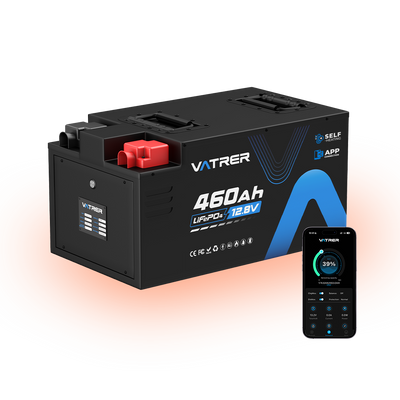
Vatrer Battery designs LiFePO4 RV batteries specifically for real-world RV use, focusing on usable capacity, safety, fast charging, and long service life. For RV owners ready to upgrade with confidence, exploring a high-quality lithium solution like Vatrer can be a practical next step.
Related Reading
Share