



How Long Will a 12V Battery Run a Fish Finder
Reading time 6 minutes

Share
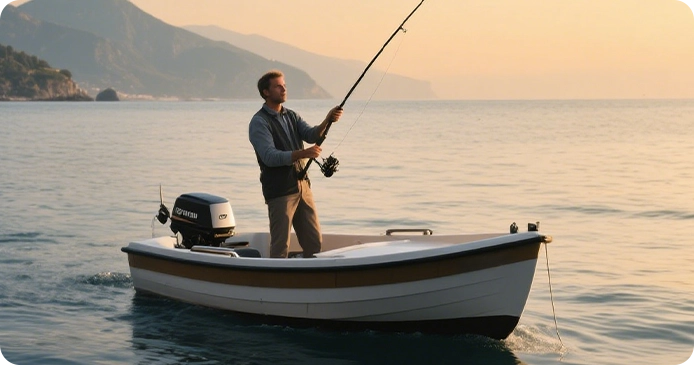
I’ll never forget the morning I headed out on a fishing trip with my new boat and my trusty fish finder installed. The lake was calm, the sun just waking, and I’d set up my 12V battery and my modern fish finder. A few hours in, the fish finder flickered off, and I realised I hadn’t calculated how long my system would actually last. That taught me something important: understanding how long a 12V battery will run a fish finder isn’t just technical, it determines whether you get full use of your gear on a fishing trip.
In this article I'll walk you through how to estimate expected runtime, what to watch out for, and how using the right battery type (especially lifepo4 batteries) can make your fishing experience far smoother.

Understanding Battery Capacity and Voltage in Real Life
Let’s start with the basics. When I unpacked my battery I saw: “12V 7Ah”. That label told me two things: the nominal voltage (12V) and the capacity (7Ah).
- Voltage (V) means how strong the “push” is. In the context of a 12V battery system for a fish finder, you’re working with roughly 12V standard.
- Capacity (Ah = ampere-hours) tells you how many amps the battery can supply over time. For example, if a battery is rated at 12V 7Ah, in theory it can deliver 7A for 1 hour, or 1A for 7 hours. Another way to view it: total energy in “watt-hours” is voltage × capacity: 12V × 7Ah = 84 Wh. Knowing this helps you compare different battery types.
Different 12V battery types (such as a lead-acid battery vs a lithium type) will behave differently in real-world use, so capacity is a starting point, not the full story.
Power Consumption of a Fish Finder and How to Convert It
Next, let's look at how much power your fish finder actually uses. When I plugged in my fish finder, the spec sheet said it consumed 5 watts. That's pretty modest, but even modest loads add up on a battery.
To convert that into amps on a 12V system:
Amps (A) = Watts (W) ÷ Volts (V)
So:
Amps = 5W ÷ 12V ≈ 0.42A
That means if your fish finder that consumes 5W is wired to a 12V battery, it draws about 0.42 amps continuously.
Knowing this is key for the next step: estimating runtime based on battery capacity.
In the context of modern fish finders, many have larger screens or additional features (GPS, WiFi, Bluetooth) which increase power consumption. Always check the device manual for “power consumption” before you assume.
Estimating Battery Runtime — The Basic Formula
Here's a friendly calculation that I used on that fishing trip:
Runtime (hours) = Battery Capacity (Ah) ÷ Device Current (A)
Using my example:
- Battery: 12V 7Ah
- Device current: ~0.42A
- Runtime = 7Ah ÷ 0.42A ≈ 16.67 hours
- So in ideal conditions, my small 12V battery could run the fish finder for about 16.7 hours. But—and this is important—that’s a theoretical maximum. Real-life conditions often reduce that significantly.
Here's a simple table summarizing a few hypothetical setups:
These runtimes are ideal theoretical values (no temperature loss, no other loads, brand-new battery).
| Battery | Capacity | Fish Finder Power | Estimated Runtime |
|---|---|---|---|
| 12V 7Ah | 7Ah | 5W (≈0.42A) | ≈16.7h |
| 12V 20Ah | 20Ah | 5W (≈0.42A) | ≈47.6h |
| 12V 20Ah | 20Ah | 10W (≈0.83A) | ≈24.0h |
This table helps you see how adjusting capacity or choosing a device with different power consumption changes your expected runtime.
Real-World Factors That Affect Battery Life (and Why Battery Types Matter)
When I hopped into the boat that day, I realized the battery died sooner than my calculation. Here’s why—and why your choice of battery type (lead-acid battery vs lithium) matters.
Key influencing factors:
- Temperature: Cold weather makes batteries less efficient. My battery dropped faster once the sun set and the air cooled.
- Battery Age / Condition: Older batteries hold less actual capacity than their original spec. If you're using a battery with many cycles, the actual runtime will be shorter.
- Usage Pattern: Continuous operation without breaks, or using extra loads (lights, GPS, fish finder screen brightness) will drain the battery faster.
- Additional Loads: If you hook other devices to the same 12V battery (navigation lights, a live-well pump, etc.), they add current draw.
Battery Type (very important):
- Lead-acid batteries tend to have lower energy density, fewer deep-cycle cycles, and more maintenance.
- Lithium batteries (especially LiFePO4 batteries) hold higher usable capacity, handle deep cycles better, are lighter and require less maintenance.
Here's a quick comparison table:
| Battery Type | Typical Cycle Life | Weight | Maintenance Required | Real-World Usable Capacity |
|---|---|---|---|---|
| Lead-acid battery | ~300–500 deep cycles | Heavier | Regular watering/maintenance | ~50–60% of rated capacity often used |
| Lithium (LiFePO₄) | 2,000–5,000+ cycles | Lighter | Maintenance free | ~80–100% rated capacity usable |
Usable capacity depends on how the battery is treated, temperature, charge/discharge depth, etc. When I switched from a lead-acid battery to a lithium setup, I noticed not just more runtime but less worry about “will it last till I get back to shore”.
Practical Tips to Maximize Runtime on Your Fishing Trip
From that first trip (and many since), I developed a few habits to make sure I'm not caught with a dead battery and an inactive fish finder. Here's what I recommend:
- Choose the right capacity: Based on your fish finder's power consumption and how many hours you expect to be on the water, select a battery with ample Ah capacity.
- Opt for an efficient battery type: Using a 12V lithium battery means you get more usable capacity, lower weight (helpful on small boats), and often less maintenance.
- Carry a spare battery or backup power source: If you plan multi-hour or multi-day outings, having a second battery or solar charging setup gives peace of mind.
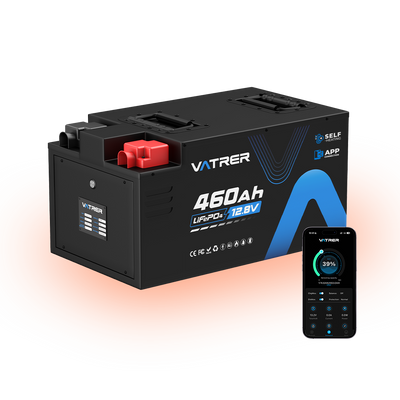
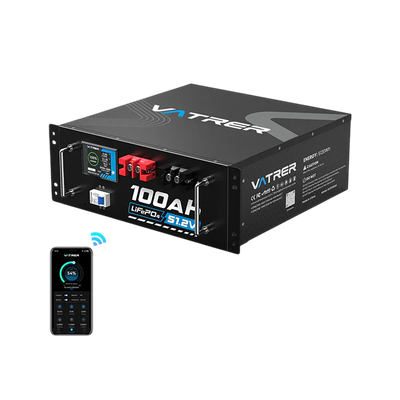
- Monitor your usage real-time: Use a voltmeter or a battery monitor app (some lithium systems include Bluetooth monitoring) to keep an eye on remaining capacity.
- Avoid complete discharge and extreme conditions: Keeping charge between ~20% and ~80% can extend the cycle life of a lithium battery. Also avoid using the battery in very cold or very hot conditions if possible.
- Minimize other loads: Turn off lights or other equipment when the fish finder is the essential device. Every extra amp draw reduces runtime.
- Maintain your battery: Even if you’re using a lithium battery, keep connections clean, check for corrosion, ensure correct charging protocol. Some battery types “require regular maintenance” if they are older or lead-acid.
By applying these habits consistently, I've extended the realistic usable runtime of my battery and avoided surprises.
Conclusion: Plan Smart for Your Next Fishing Trip
Estimating how long a 12V battery will run a fish finder comes down to these steps:
- Check your fish finder's power consumption (in watts).
- Convert watts to amps (using Amps = Watts ÷ Volts).
- Divide your battery capacity (Ah) by that current (A) to get the theoretical runtime.
- Adjust your expectations for real-world factors: temperature, battery age, other loads, and battery type.
- Select a battery type and capacity that gives you enough margin for your outing.
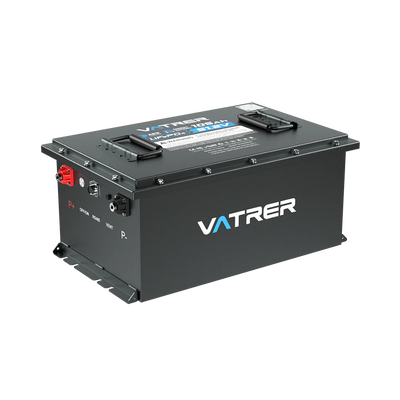
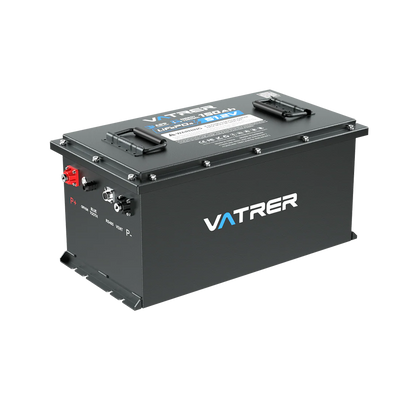
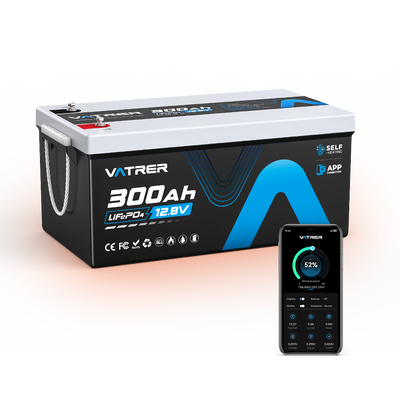
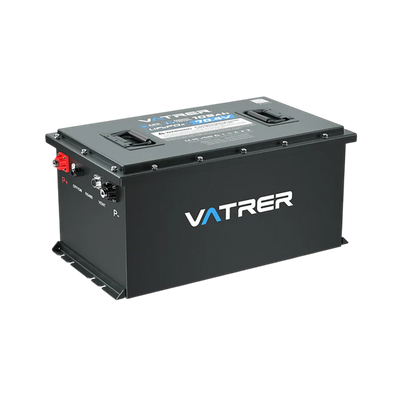
For the best fishing experience, a lithium battery offers tangible benefits over a traditional lead-acid battery—greater usable capacity, lower weight, and more lifespan. If you find yourself frequently using your fish finder on longer fishing trips, investing in a quality 12V lithium battery like the one from Vatrer can reduce worries about power and let you focus on the catch.
By planning ahead, matching the right battery to your device and scenario, you'll avoid downtime and enjoy a smoother, more effective fishing session.
Share