



How Much Does a Lithium-ion Battery Cost?
Reading time 6 minutes

Share
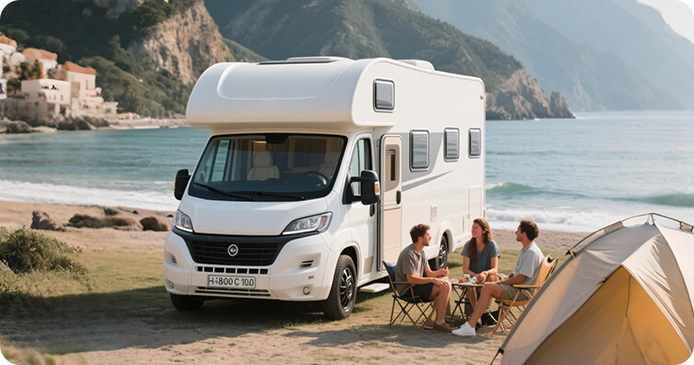
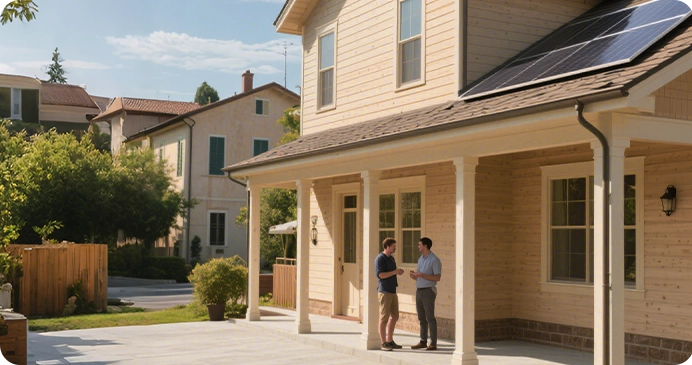
Whether for a golf cart, an RV, a boat motor, or a home solar setup, you've probably noticed lithium-ion battery prices vary widely. A small RV battery may cost only a few hundred dollars, while a large home energy storage pack can cost several thousand.
This guide understanding what drives lithium-ion battery cost helps you make smarter decisions, balance performance with budget, and avoid paying extra for unnecessary features.

What Is a Lithium-ion Battery
So, what is a lithium-ion battery? At its core, it's a rechargeable energy storage system consisting of an anode, cathode, separator, and electrolyte. When charging and discharging, lithium ions move between electrodes, storing and releasing energy.
Among the different chemistries, lithium iron phosphate (LiFePO4 or LFP) batteries have become the most common for golf carts, RVs, trolling motors, and home solar systems. LFP chemistry provides superior thermal stability, longer battery life, and safer performance compared to nickel manganese cobalt oxide (NMC) types.
While NMC batteries offer slightly higher energy density, LFP batteries are more durable and cost-effective over time, making them ideal for heavy-cycle and off-grid applications.
How Much Do Lithium-ion Batteries Cost per kWh
As of 2025, the global average lithium-ion battery cost per kilowatt-hour (kWh) continues to decline due to improved supply chains, greater production efficiency, and expanded adoption across electric vehicles, solar storage, and consumer devices.
According to the BloombergNEF Battery Price Survey (December 2024), Starting in 2023, the average pack price for lithium-ion batteries fell by 20%, to around $115 per kWh, the steepest drop since 2017 (BloombergNEF, 2024).
Preliminary 2025 market data indicates that average pack prices are now trending between $110 and $120 per kWh, reflecting stable raw material costs for lithium, iron, and phosphate, along with maturing battery manufacturing technologies. This pricing level aligns with the ongoing cost optimization observed across large-scale EV and grid storage projects worldwide.
However, it's important to note that these averages primarily represent high-volume automotive and utility applications. Smaller, specialized batteries, such as those used in golf carts, RVs, marine systems, and home solar energy storage, still cost more on a per-kWh basis. Their production runs are smaller and include added features like battery management systems (BMS), waterproof housings, and temperature control, which typically raise costs.
What Factors Influence Lithium-ion Battery Cost
There's no single number that defines lithium-ion battery cost, as several interrelated factors determine pricing.
Raw Materials and Supply Chain
The cost of lithium, nickel, cobalt, and phosphate fluctuates with global demand. Improved supply chain diversification, particularly in the United States, has helped stabilize prices.
Battery Capacity and Voltage
Higher voltage and amp-hour (Ah) ratings increase overall cost, but often reduce cost per kWh thanks to economies of scale.
Battery Chemistry
LFP cells are typically 15-25% cheaper to manufacture than NMC cells due to the lower price of raw materials.
Battery Management Systems (BMS)
A built-in BMS improves safety and lifespan by preventing overcharge, over-discharge, or thermal overload, raising the upfront cost but ensuring better long-term reliability.
Brand and Warranty
Established brands offering certifications, robust design, and long warranties usually command higher prices but offer stronger total value.
Installation and Integration Costs
Systems like golf cart retrofits or home solar systems often include chargers, controllers, and installation labor, which can add hundreds or thousands to the final price.
Typical Lithium-ion Battery Cost by Application
Here's a breakdown of what you might expect to pay in 2025 when buying lithium LiFePO4 batteries for common applications: golf carts, RV, marine motors, or home solar energy. These ranges reflect typical market prices, but actual cost depends on brand, capacity, configuration, and whether the price includes just the battery or a full system with installation.
| Typical Battery | Typical Price Range (USD, 2025) | Approx. Cost per kWh | Notes |
|---|---|---|---|
| 48V 100–105Ah (≈ 5–6 kWh) | $1,800 – $3,800 (mainstream) / $4,000 – $6,000+ (premium) | $500 – $800 | Price varies by brand, Ah, and whether charger/integration kit is included |
| 12V 100Ah (1,280 kWh) | Budget: $120 – $150 / High-end: $600 – $1,000+ | $120 – $800 | Premium batteries include BMS, heating, or monitoring features |
| 12V 100Ah deep-cycle | $130 – $150 (standard) / $200 – $400 (marine-grade) | $100 – $300 | Waterproof cases, marine-grade BMS increase cost |
| 10 kWh LiFePO4 system | Battery-only: $4,800 – $6,000 / Full system: $9,600 – $20,000 | $480 – $700 | Includes installation, inverter, wiring |
Tips: Compare cost per usable kWh, not just sticker price. Verify whether the quoted lithium battery price includes accessories, charger, or installation.
Why Bigger Lithium Battery Can Lower the Price per kWh
Larger battery packs cost more upfront but often provide better value per kWh. This happens because fixed costs, like enclosures, wiring, and BMS spread across higher capacity.
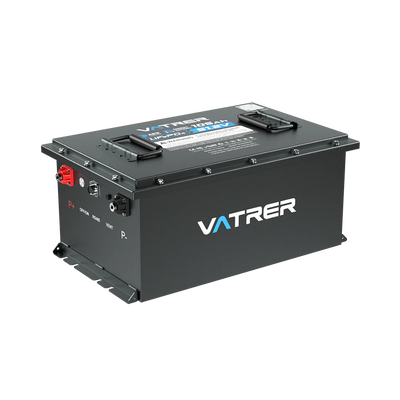
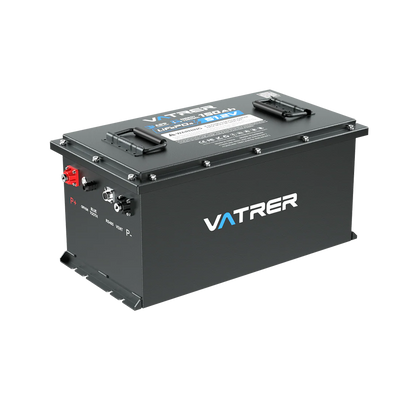
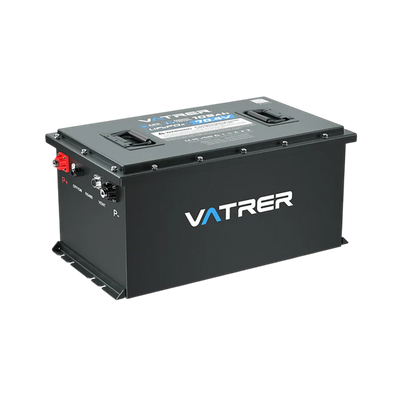
For example, a 48V 100Ah golf cart battery cost $1,800-2,800 but delivers 5,120Wh of usable energy. A smaller 12V 100Ah battery, though cheaper at $600, offers about 1,280Wh, making its cost per kWh significantly higher.
That's why when you compare battery options, it's helpful to think in terms of $/kWh and total usable energy over life, not just the sticker price.
Lithium -Ion Battery Lifecycle and Total Cost of Ownership
While the upfront cost is easy to see, long-term performance defines the real value. LiFePO4 batteries typically last over 3,000-5,000 charge cycles, compared to about 500-800 cycles for lead-acid batteries.
A quality LFP battery also allows deeper discharge (up to 80-90%), higher round-trip efficiency, and minimal maintenance, leading to a lower cost per usable kWh across its lifetime.
Comparison (Per 1 kWh Capacity)
| Battery Type | Upfront Cost | Cycle Life | Usable Capacity / Cycle | Total Usable kWh (Lifetime) | Effective Cost per Usable kWh |
|---|---|---|---|---|---|
| Lead-acid | $300 | 500 | 50% | 250 | $1.20 |
| LiFePO4 | $900 | 5,000 | 90% | 4,500 | $0.20 |
Especially for high-use applications, like golf carts, RVs on frequent travel, marine motors, or home solar storage, this long-term reliability can make LiFePO4 batteries more economical over time.
Tips: If you use your battery frequently (daily solar cycling or continuous marine use), prioritize cycle life and BMS protection over the lowest purchase price.
How Battery Type, Chemistry and Quality Affect Cost
Not all lithium-ion batteries are created equal. When comparing options, pay attention to:
- Cell chemistry: LiFePO4 (LFP) tends to cost less and offer better cycle life and safety than higher-cost chemistries like nickel manganese cobalt oxide (NMC).
- Battery management system (BMS): A robust BMS helps optimize battery life, ensure safe charging/discharging, and protect against overheating or over-discharge.
- Certifications & environmental standards: Especially for marine or home solar use, certified batteries (like with safety and electrical standards) offer reliability, but tend to be pricier.
- Brand reputation & warranty: Batteries from established brands with documented quality control and warranty support often cost more but bring peace of mind and lower risk of failure.
Is the LiFePO4 Battery Higher Upfront Cost Worth It
When you choose a high-quality LiFePO4 battery pack with a sound BMS, you pay more upfront, but you get:
- Better energy density and lighter weight.
- Longer battery life and more usable kWh over time.
- Lower maintenance and higher safety standards.
- Greater overall reliability, especially under repeated deep-cycle conditions.
If you plan to use the battery frequently, for golf carts, regular RV or boat trips, or daily solar storage, investing in a better pack can pay off over the years.
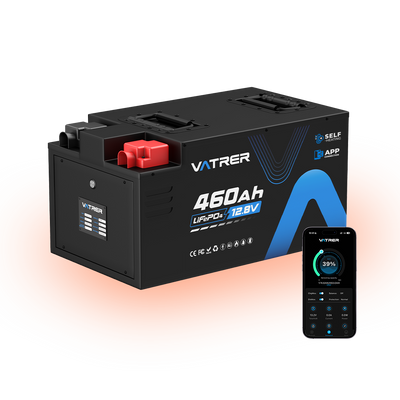
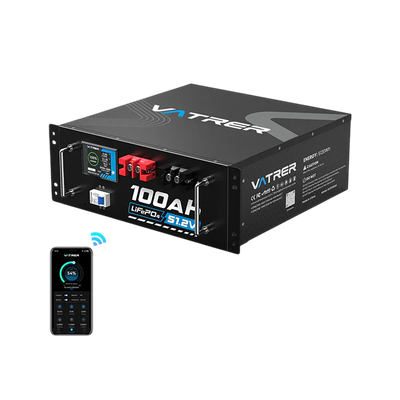
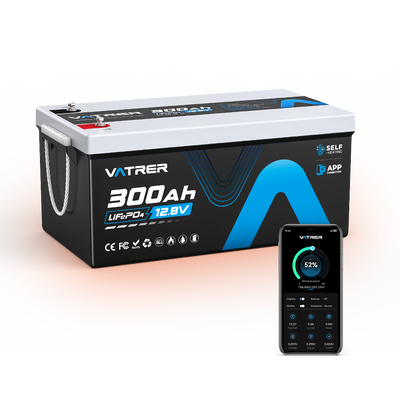
Vatrer Battery delivers certified LiFePO4 batteries with smart BMS, waterproof casings, and multi-layer safety systems, providing reliable performance and long-term value.
Conclusion
2025 Lithium-ion battery cost continues to fall, with average pack prices dropping to as low as $115-$139 per kWh. But for real-world applications like golf carts, RVs, marine motors, or home solar storage, actual prices depend heavily on capacity, chemistry, build quality, and whether the battery is sold alone or as part of an integrated system.
Choosing the right battery requires looking beyond sticker price, consider long-term value: energy density, cycle life, reliability, and safety. For many users, Vatrer LiFePO4 Battery has a lower total cost of ownership than cheaper alternatives.
If you want help estimating the right battery size or pack configuration for your golf cart, RV, boat, or solar setup, I'd be happy to walk you through the calculation based on your expected usage and power needs.
Share