Is Frequent Charging Bad for Golf Cart Batteries?
Reading time: 10 minutes

Share
When you use your golf cart all the time you have probably had this moment: you get back from a drive just around the neighborhood or the block and the battery gauge on your car is not even that low. You still plug it in anyway. It feels like the thing to do. All keeping the battery of your car full is a good idea.
Months have passed, and perhaps a few seasons later, you begin to notice that something is wrong with the cart. The cart does not go as far as it used to go. It takes a time to charge the cart now. And after some time you start to wonder did you do something to the cart by charging it too many times?
Most rules about battery charging are often quoted out of context. They might apply to older lead-acid batteries, but that doesn't mean they apply to lithium batteries. The best charging method often depends on how you use your golf cart and the type of battery.


What Does Frequent Charging Really Mean?
When people talk about frequent charging, they are usually referring to a daily habit, not an extreme behavior.
For example, you can drive your car for 10-15 minutes, park it, and then plug in the charger. Or you can use it multiple times a day, charging it after each use. Some owners even leave the charger connected anytime the cart is parked.
The key is to understand that frequent charging does not necessarily mean overcharging. Charging frequency refers to how often you connect the charger. Overcharging refers to forcing current into a battery that is already full.
Another distinction that matters is partial charging and full charging. Plugging in after short use means you're only replenishing a small portion of the battery. Whether that's helpful or harmful depends entirely on the battery chemistry and charging system.
So the real question isn’t “Is charging often bad?” It’s “How does this charging pattern interact with my battery type?”
Is Frequent Charging Bad for Golf Cart Batteries?
Frequent charging by itself is not what damages golf cart batteries. The key is whether the charging mode is compatible with the battery design.
Many owners assume that charging less often automatically extends battery life. In reality, damage usually comes from incomplete charging cycles, improper chargers, or long-term stress conditions, not simply from plugging in too often.
The confusion comes from the fact that different battery types respond very differently to frequent charging. If you're using traditional lead-acid golf cart batteries, charging habits matter more. If you're using lithium LiFePO4 batteries, the rules change significantly.
What Are The Effects on Lead-Acid Golf Cart Batteries?
Lead-acid batteries, whether flooded, AGM, or gel, have specific charging behavior that requires more attention.
These batteries require a complete charging cycle. If they're repeatedly charged partially and rarely reach 100%, sulfate crystals can begin forming on the plates. Over time, this sulfation reduces usable capacity and increases internal resistance.
For lead-acid systems, frequent charging is only safe when the following conditions are met:
- Regularly Charge: Lead-acid batteries need to be fully charged regularly to remove sulfate deposits. Failure to fully charge for extended periods will accelerate sulfate formation.
- Choose the Right Charger: Using a charger specifically designed for lead-acid batteries ensures the correct charging voltage is applied. Incorrect voltage settings can lead to undercharging (resulting in sulfation) or overcharging (resulting in water loss and plate damage).
- Avoid Frequent Charging Interruptions: Frequently interrupting charging before it is fully completed can hinder the battery's internal balance. Try to charge continuously whenever possible, especially after deep discharge.
When these conditions are met, charging after use is fine. When they're ignored, battery lifespan can shorten significantly, sometimes from 4-5 years down to 2-3 years.
What Are The Effects on Lithium Golf Cart Batteries?
Lithium golf cart batteries charge differently than other batteries. A key characteristic of lithium-ion batteries is that they do not sulfate, thus preserving the battery's integrity. Their design allows for frequent, small-charge charging.
When you use a lithium battery and it still has a lot of power left you can charge it. This is okay to do even if you have only used a little of the lithium batterys power like ten to thirty percent.
Lithium batteries are actually better off when you charge them a lot than letting them run out completely. This is because the lithium battery bulit-in the battery management system (BMS). The BMS helps keep the lithium battery safe by controlling things, like how much voltage and current're going in and out and it also keeps an eye on the temperature of the lithium battery.
Therefore, frequent charging is generally safe for lithium batteries, it helps maintain stable voltage and continuous power output, and reduces the stress of deep discharge.
Learn more about battery charging rules: 40/80 rule and 20/80 rule
Common Charging Mistakes That Reduce Battery Life
Most battery damage doesn't come from charging too often. It comes from charging incorrectly or ignoring environmental factors.
Using the Wrong Charger
When you use a lead-acid battery and a lithium battery you have to remember that they need kinds of chargers. The reason is that lead-acid batteries and lithium batteries charge in ways. If you use the charger your battery will not get the right amount of charge. This means your lead-acid battery or your lithium battery can be undercharged or overcharged for a time. When this happens your lead-acid battery or your lithium battery will get worn out faster. This also means your lead-acid battery or your lithium battery will not be able to hold much power as it should.
Leaving the Battery at Partial Charge for Too Long
This is one of the main reasons for the shortened lifespan of lead-acid batteries. When the lead-acid battery seems to be working fine charging it a lot before it is fully charged is not good for the lead-acid battery. This can make sulfate crystals build up inside the lead-acid battery. That makes the lead-acid battery work less well, over time.
Charging at Extreme Temperatures
cold or hot weather can damage their internal workings. Lithium-ion batteries typically have low-temperature protection, but lead-acid battery systems require extra care and knowledge of safe usage. Prolonged charging in excessively hot (95°F) or excessively cold (32°F) environments will significantly shorten battery life.
Frequent Interruptions to Charging Cycles
When you unplug the power cord a lot while the battery is charging it stops the battery from getting a charge. This is a problem for lead-acid battery systems. They do not like it when you do this. Lithium batteries are a little better, about this. It is still a good idea to let them charge all the way up sometimes. This helps the lithium batteries last longer.
Allowing Deep Discharge Too Frequently
Excessive and frequent deep discharges can stress the battery, especially when it's almost completely depleted. Lead-acid batteries are most affected. Lithium-ion battery systems are better able to withstand deep discharges, but moderate charge cycles are still beneficial.
So, How Often Should You Charge Golf Cart Batteries?
There is no uniform standard for the charging frequency of golf cart batteries, but there are some clear principles.
- For lead-acid batteries, charging after use is acceptable, but full charge cycles must occur regularly. Avoid letting the battery sit partially charged for long periods. If you use your cart daily, allow uninterrupted full charging sessions several times per week.
- For lithium batteries, you can safely charge after every ride, even short ones. There's no need to wait until the battery drops to a low percentage. Partial charging is safe and often beneficial.
Charging Frequency Guidelines by Battery Type
| Battery Type | Recommended Recharge Level (SOC) | Ideal Operating Range | Deep Discharge Risk | Notes for Frequent Charging |
|---|---|---|---|---|
| Flooded Lead-Acid | Recharge at 50–70% remaining (30–50% used) | 50%–100% | High below 50% SOC | Allow full 100% charge regularly to prevent sulfation |
| AGM / Gel Lead-Acid | Recharge at 40–60% remaining | 40%–100% | Moderate below 40% SOC | More tolerant than flooded, but still needs full cycles |
| Lithium (LiFePO4) | Recharge anytime above 20% remaining | 20%–90% | Low until below 10% SOC | Partial charging is safe, no need to wait for low levels |
Best Charging Practices to Extend Battery Life
The key to really making your battery longer is to charge your battery in a smarter way not to charge it less often. Do not focus on how times you charge your battery rather you should try to charge your battery in a good way. This means you need to develop habits when you charge your battery.
Use a Battery-Specific Smart Charger
When you use a charger that is made for your battery, it gives your battery the right amount of power. These smart chargers can change how they work so they can do things like fill up your battery, then slow down to avoid overfilling and finally just give it a little power to keep it full. This way you do not have to worry about your battery not getting power or getting too much power. For example, with lithium batteries the right charger works with the battery management system to make sure everything is working right and your battery stays in good shape.
Allow Full Charge Cycles When Needed
Whether you're using lead-acid or lithium-ion batteries, they need to be fully charged and balanced periodically. It's important to note that lead-acid batteries require regular full charges to maintain plate health. During charging, avoid disconnecting the battery prematurely. In the long run, allowing the charger to finish charging is crucial for both lead-acid and lithium-ion batteries.
Avoid Charging in Extreme Temperatures
High temperatures accelerate battery wear. Charging a battery at low temperatures places a greater internal workload. Therefore, batteries should be charged within a constant temperature range. Compared to lead-acid batteries, lithium batteries typically have built-in low-temperature protection that automatically stops charging and discharging when the battery temperature is detected.
Avoid Deep Discharge as a Habit
If you use golf cart batteries until they are almost empty all the time they will not last long.
For lead-acid batteries it is best to keep them charged to least 50 percent. Lithium batteries can handle being used until they are almost empty. You should still try to charge them when they are not too low.
You should try to charge lithium batteries when they get to, around 20 percent do not wait until lithium batteries are completely empty before you charge them this will help lithium batteries last longer.
Keep Battery Connections Clean and Tight
Loose or corroded connections increase resistance and heat. Periodically inspect cables and terminals. Clean corrosion from lead-acid systems and ensure secure connections on lithium packs.
Frequent Charging Is Actually a Good Thing
When you are using something a lot, like your phone charging it often is really good, for the battery. This is something that happens in a lot of life situations frequent charging actually improves battery performance.
When you use your golf cart to drive around a property it is an idea to charge it often. This helps the voltage stay the same. The power delivery is consistent. Lithium golf cart batteries work well when they are kept charged, but not completely full or completely empty. It is better for lithium golf cart batteries to stay in the middle so to speak. If you let your lithium golf cart batteries go from empty to full all the time that is not good, for them. Lithium golf cart batteries like to be charged a bit at a time so they do not get too empty or too full.
For fleet operations, communities, or resort environments, frequent charging combined with lithium battery systems provides operational flexibility and minimal maintenance.
Conclusion
Frequent charging is not the real threat to golf cart batteries. Incorrect charging habits are.
For lead-acid batteries, charging often is safe when full cycles occur regularly and the charger is properly matched. For lithium golf cart batteries, frequent charging is typically part of healthy operation.
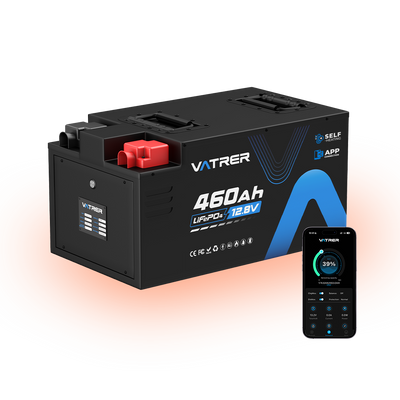
This difference is why many owners are transitioning to lithium systems that remove the guesswork. High-quality lithium batteries, such as Vatrer Power, include advanced battery management systems, stable voltage output, and optimized charging profiles designed for real-world use. Instead of worrying whether you're charging too often, you gain the flexibility to charge when it's convenient.
If your current battery setup makes you second-guess every time you plug in, it may not be the frequency that needs to change, it may be the battery system itself.
Share