How to Tell Where You Can Drive a Golf Cart on Any Course
Reading time: 6 minutes

Share
Driving a golf cart makes a round more comfortable, but it also comes with rules that change from course to course, and sometimes from day to day. Many golfers get confused because there isn't one universal standard. What's allowed on one course might be restricted on another, and weather or turf conditions can change the rules overnight.


Why Golf Cart Driving Rules Vary by Course
Golf cart rules aren't random. Their purpose is to protect the stadium and ensure safety, therefore, the rules differ greatly, and that's why they vary so widely. Different courses use different grass types, drainage systems, and maintenance schedules.
Courses built on sandy soil may allow carts to enter the fairway more frequently, while courses built on clay soil may restrict cart access even after light rain.
Seasonal conditions are also important, many courses tighten cart rules during spring growth or winter dormancy to prevent turf damage.
Another key point is that daily conditions override permanent rules. Even if a course usually allows fairway access, overnight rain or maintenance work can result in temporary restrictions. That's why relying on past experience at the same course can still lead to mistakes.
How to Tell Where You Can Drive a Golf Cart
The safest way to determine where you can drive a golf cart is to follow a simple decision process rather than a single rule.
Start with official guidance, then confirm using visual cues on the course itself. When those aren't clear, default to the most conservative option. Courses generally expect golfers to err on the side of protecting the turf, not testing boundaries.
A more reliable method is:
- Check posted rules before teeing off
- Understand the cart policy in effect that day
- Observe course conditions and markings
- Ask staff when anything feels unclear
This layered method works on virtually any course, public or private.
Check Golf Course Signs and Cart Path Rules
Signage is always your first and most reliable source of information.
Most courses post golf cart rules in high-traffic areas such as the pro shop entrance, near the first tee, or on the cart windshield itself. These signs usually indicate whether carts are restricted to paths, allowed on fairways, or subject to special routing.
Common sign locations include:
- Pro shop or clubhouse exits
- Cart staging areas
- Tee box entry points
If a sign says “Cart Path Only,” that rule applies to the entire course unless another sign clearly states otherwise. Importantly, the absence of a sign does not mean unrestricted driving is allowed, many courses assume golfers understand default etiquette.
Understand Cart Path Only and the 90 Degree Rule
Two rules appear more often than any others, and understanding them prevents most cart-related violations.
Cart Path Only
When a course is designated Cart Path Only (often shortened to CPO), golf carts must remain on paved or designated paths at all times. This rule is commonly enforced after rain or during turf recovery periods. Leaving the path, even briefly, can result in warnings or penalties.
90 Degree Rule
The 90 Degree Rule is a more flexible option used when conditions are playable but still sensitive. Under this rule, carts stay on the path until they reach a point roughly perpendicular (90 degrees) to the ball. At that point, the cart may drive directly to the ball and then return to the path.
Key Differences of the Cart Path Only and 90 Degree Rule
| Rule Type | Where Carts Can Drive | Typical Conditions |
|---|---|---|
| Cart Path Only | On paths only | Wet ground, heavy rain |
| 90 Degree Rule | Path and short fairway access | Mild moisture, controlled wear |
Cart Path Only offers maximum turf protection but limits convenience, while the 90 Degree Rule balances course preservation with faster play. Knowing which rule is active helps you instantly decide where driving is allowed.
When Golf Carts Are Allowed on the Fairway
Many golfers assume fairway access is the default, but it's actually a privilege, not a guarantee.
Carts are typically allowed on fairways only when turf is firm, dry, and actively growing. Even then, courses may restrict access near greens, slopes, or high-traffic landing areas. Tee boxes, green surrounds, and collars are almost always off-limits regardless of conditions.
Common mistake is following another golfer's cart tracks. That golfer may be ignoring the rules or have misunderstood them. Fairway access should be based on official guidance, not observation alone.
How Weather and Course Conditions Affect Cart Use
Weather plays a major role in daily golf cart restrictions.
Rain softens soil and increases the risk of rutting, especially on slopes and near greens. Morning dew can also make turf vulnerable, which is why some courses restrict carts early in the day and loosen rules by afternoon.
So, seasonal impacts matter too:
- Spring: New grass growth is easily damaged
- Summer: Dry, firm turf allows more access
- Fall/Winter: Dormant grass requires extra protection
Courses may update cart rules daily or even midday based on how conditions evolve.
Ask the Pro Shop or Staff Before Driving
When in doubt, ask. This is the simplest and most overlooked step.
Pro shop staff deal with cart rule questions constantly and can clarify not just what the rule is, but why it's in place. Asking before you head out prevents awkward situations with course marshals later.
Good questions to ask include:
- “Are carts allowed on the fairway today?”
- “Is the 90 Degree Rule in effect?”
- “Are there any hole-specific restrictions?”
For new golfers especially, this habit builds confidence and avoids costly mistakes.
Common Mistakes Golfers Make With Cart Driving
Even experienced golfers make avoidable cart mistakes.
One of the most common is assuming yesterday's rules still apply today. Another is driving too close to greens or tee boxes, which can damage high-maintenance areas and lead to penalties.
Other frequent errors include:
- Cutting corners instead of following cart paths
- Ignoring rope lines or painted boundaries
- Driving on slopes during wet conditions
These mistakes don't just break rules, they slow maintenance and increase long-term course wear.
Tips to Avoid Violating Golf Cart Rules
A few practical habits can keep you on the right side of cart regulations every time.
Before teeing off, confirm the day's cart policy and look for posted reminders on your cart. While driving, stay alert for rope lines, directional signs, and ground markings. If conditions look questionable, choose the safer route, even if it means a longer walk.
Quick Cart-Use Guide
| Situation | Best Choice |
|---|---|
| Unclear signage | Stay on cart path |
| Wet or muddy ground | Avoid fairway access |
| Near greens or tees | Use paths only |
| Conflicting info | Ask staff |
When information is unclear, conservative decisions protect both the course and your round. Courses rarely penalize golfers for being too cautious.
Conclusion
By checking signs, understanding common policies like Cart Path Only and the 90 Degree Rule, and paying attention to conditions, you can confidently navigate almost any course.
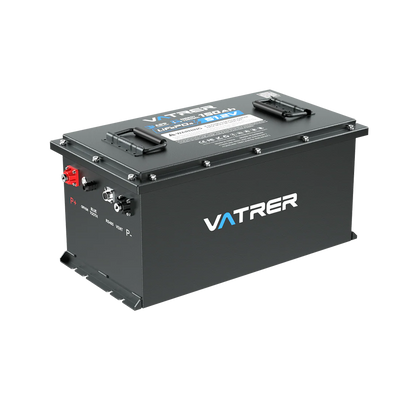
As golf carts continue to evolve, modern lithium-powered carts make it easier to follow these rules thanks to quieter operation, smoother control, and consistent performance across varying terrain. Vatrer lithium golf cart batteries offer stable power delivery, lighter weight, and up to 60 miles of runtime, helping carts handle path-only days, stop-and-go play, and longer rounds without performance drop-off.
Understanding where you can drive is step one, having the right equipment ensures you're ready for every round that follows.