What is the Life Expectancy of a Golf Cart?
Reading time: 8 minutes

Share
Golf carts are built to be durable, practical, and easy to maintain, but many owners still wonder the same question sooner or later: how long does a golf cart last?
The answer isn't as simple as a single number. A golf cart's lifespan depends on how it's used, how well it's maintained, and most importantly, what kind of battery system it runs on. Some carts are retired after just a few years, while others stay on the road for decades with the right care and upgrades.
Key Takeaways
- Most golf carts last 10-15 years on average, and up to 20 years or more with proper maintenance.
- Battery condition has a bigger impact on golf cart lifespan than most owners realize.
- Lead-acid batteries typically need replacement every few years, while lithium batteries last much longer.
- A declining battery often makes a healthy golf cart feel “worn out” before it actually is.
- Replacing the battery can significantly extend how long a golf cart remains reliable and usable.
- For long-term value, lithium battery upgrades are often worth considering.


How Long Does a Golf Cart Last?
When people ask how long does a golf cart last, they're usually talking about the usable life of the entire vehicle, not just when it technically still runs. In real-world terms, most golf carts have an average lifespan of 10 to 15 years under normal use.
For privately owned carts that are driven occasionally and stored properly, it's not unusual to see them last 15 to 20 years or longer. Commercial carts, such as those used on golf courses, resorts, or campuses, tend to have a shorter service life due to daily operation, heavier loads, and more demanding conditions.
It's also important to understand what “lifespan” really means. A golf cart is generally considered at the end of its life when it becomes unreliable, unsafe, or too expensive to maintain, not when every component has failed. In many cases, the cart itself is still structurally sound, but one major component is holding it back.
What Factors Affect the Lifespan of a Golf Cart?
A golf cart's lifespan is influenced by a combination of usage habits, environmental conditions, and maintenance practices. While no single factor determines exactly how long a cart will last, several key elements consistently play a major role in how quickly wear and aging occur.
The most common factors that affect overall golf cart lifespan include:
Usage frequency and intensity
Golf carts used occasionally for short trips typically last much longer than those driven daily. Continuous use, long driving distances, and frequent stop-and-go operation all increase mechanical and electrical wear over time.
Load weight and terrain
Carrying passengers, cargo, or equipment on a regular basis places extra strain on the motor, controller, and battery system. Carts driven on hilly or uneven terrain also experience faster component wear compared to those used mainly on flat surfaces.
Storage environment and climate
Carts stored outdoors or exposed to extreme heat, cold, or humidity tend to age faster. Temperature swings and moisture can accelerate corrosion, reduce battery efficiency, and shorten the lifespan of electrical components.
Maintenance and charging habits
Regular inspections, proper charging routines, and basic cleaning all help extend a cart’s usable life. Poor charging practices, such as deep discharging or inconsistent charging, can significantly shorten battery life and indirectly affect overall cart performance.
Golf Cart Battery type and quality
While often overlooked, the battery system has a larger impact on lifespan than most other components. Battery degradation is one of the most common reasons a golf cart feels “old,” even when the rest of the vehicle remains mechanically sound.
Understanding how these factors interact helps explain why some golf carts remain reliable for decades, while others feel worn out much sooner.
Does the Battery Affect Golf Cart Life Expectancy?
Yes, more than most owners expect. In fact, battery condition often determines when people decide a golf cart is “worn out,” even if the cart itself still has years of life left.
As batteries age, they lose capacity and efficiency. This leads to reduced driving range, slower acceleration, longer charging times, and inconsistent performance. Over time, these symptoms can make a cart feel unreliable, even though the motor, frame, and electronics are still in good shape.
Many golf carts are retired not because the vehicle has failed, but because the cost and inconvenience of ongoing battery problems no longer feel worth it. Understanding this distinction is critical when evaluating whether to replace the cart or simply upgrade its battery system.
Golf Cart Battery Lifespan: Lithium vs Lead-Acid
Battery type plays a major role in both performance and long-term value. If you're asking how long do golf cart batteries last, the answer depends heavily on whether you're using traditional lead-acid batteries or modern lithium options.
Golf Cart Battery Lifespan Comparison Table
| Battery Type | Average Battery Lifespan | Replacement Frequency | Maintenance Needs |
|---|---|---|---|
| Lead-Acid | 3–5 years | Frequent | High |
| Lithium | 8–10+ years | Infrequent | Low |
- Lead-acid batteries are widely used and affordable upfront, but their shorter lifespan means more frequent replacements and ongoing maintenance. This is why many owners wonder how often to replace golf cart batteries, because the answer is often “sooner than expected.”
- Lithium batteries, especially LiFePO4 golf cart batteries, last significantly longer and maintain stable performance throughout most of their lifespan. A longer lifespan doesn't just reduce replacement golf cart battery costs, it also helps extend the usable life of the entire vehicle.
How to Tell If Your Golf Cart Is Reaching the End of Its Life
A common mistake is assuming that poor performance automatically means the golf cart itself is near retirement. In reality, many symptoms point to battery wear rather than total vehicle failure.
Warning signs that deserve attention include rapidly declining range, noticeable power loss on hills, or batteries that struggle to hold a charge even after full charging cycles. These issues often trigger the question of when to replace a golf cart, but they don't always mean replacement is necessary.
True end-of-life indicators are usually structural or electrical, such as major frame damage, failing controllers, or obsolete components that are no longer serviceable. If those aren't present, the cart may still have many good years left with the right upgrade.
Can Replacing the Battery Extend the Life Expectancy of a Golf Cart?
In most cases, yes, and often by a significant margin. Replacing an aging battery system can restore range, improve performance, and make the cart feel nearly new again.
This is why many owners ask if it is worth replacing golf cart batteries. If the cart's core components are still in good condition, battery replacement is usually far more cost-effective than purchasing a new vehicle.
Upgrading to lithium golf cart batteries takes this benefit even further. Fewer replacements, faster charging, consistent power output, and lower maintenance demands all contribute to a longer, more reliable golf cart lifespan.
Do Golf Cart Brand, Usage, and Application Affect Lifespan?
Golf cart brand does play a role in build quality and parts availability, but it is rarely the deciding factor in how long a cart ultimately lasts. In most cases, how the cart is used and maintained matters far more than the logo on the front.
The main ways brand, usage, and application influence lifespan include:
Brand and build quality
Well-known manufacturers generally use durable frames and reliable electrical components, such as Yamaha, EZGO, Club Car, which can support a longer service life. However, even a premium brand will wear out quickly if maintenance is neglected or the cart is used beyond its design limits.
Private vs commercial use
Privately owned golf carts are often driven less frequently and under lighter loads, allowing them to last significantly longer. Commercial carts, such as those used on golf courses, resorts, or campuses, experience daily use, higher mileage, and faster overall wear.
Application and operating conditions
Carts used on flat, paved surfaces typically experience less stress than those driven on hills, rough terrain, or construction-style environments. Stop-and-go operation and frequent heavy loads also shorten component lifespan.
Maintenance consistency across use cases
Commercial fleets may follow strict maintenance schedules, which can partially offset heavy usage. In contrast, privately owned carts can last decades if owners maintain them properly and address battery issues early.
When evaluating lifespan, especially for used golf carts, it's often more useful to focus on usage history, battery condition, and maintenance records than on brand name or model year alone.
How to Extend the Life Expectancy of a Golf Cart
Extending the life expectancy of a golf cart is less about complex repairs and more about consistent, practical habits. Small decisions made over time, especially around charging and battery care, can significantly influence how long a cart remains reliable and cost-effective to own.
The most effective ways to extend golf cart lifespan include:
Follow proper charging practices
Avoid letting batteries drain completely before recharging, and don't leave them sitting in a deeply discharged state. Consistent, timely charging helps preserve battery health and ensures stable performance.
Avoid excessive loads and aggressive driving
Carrying more weight than necessary or frequently pushing the cart up steep terrain increases strain on both the drivetrain and the battery system. Driving smoothly and within recommended limits reduces long-term wear.
Store the cart in a protected environment
Keeping a golf cart in a garage or covered area shields it from extreme temperatures, moisture, and UV exposure. Proper storage slows corrosion and protects electrical components.
Perform routine inspections and basic maintenance
Periodically checking cables, terminals, tires, and electrical connections helps catch small issues before they turn into costly repairs. Clean connections also improve overall efficiency.
Choose a long-lasting battery solution
Battery upgrades play a critical role in extending usable life. A durable, low-maintenance battery system reduces performance drop-off and minimizes the need for frequent replacements, helping the entire cart last longer.
Focusing on these fundamentals allows owners to get the most value from their golf carts over time without excessive maintenance or unexpected downtime.
Conclusion
So, how long does a golf cart last? For most owners, the answer is somewhere between 10 and 20 years, with battery condition being the single biggest factor that determines where your cart falls within that range.
Rather than viewing declining performance as a sign to replace the entire cart, many owners find that upgrading the battery, especially to lithium, restores reliability and extends usable life significantly.
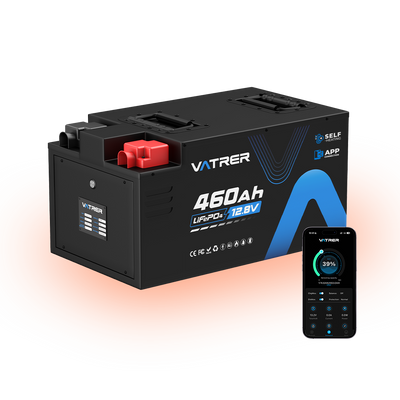
For those looking to maximize long-term value, LiFePO4 lithium solutions like those offered by Vatrer Battery are designed to deliver longer service life, consistent performance, and reduced maintenance over time.
If you're evaluating whether to replace your cart or invest in an upgrade, understanding battery impact is the key to making the right decision.
Share