How to Make a Golf Cart Safer for Family Use
Reading time: 8 minutes

Share
You can buy a golf cart for more than going to the golf course. A golf cart is a way to get to the community pool. Some people even use a golf cart for an evening drive around the campground with their family.
A golf cart usually weighs around 900 to 1200 lbs before anyone gets in. When you add kids and stuff like equipment and a cooler the weight can go up to 1500 lbs.
These golf carts can move at speeds of 15 to 25 miles per hour. Golf cart accidents can be extremely dangerous due to their powerful impact. The weight of a golf cart and the speed it is going can cause injury to people in a golf cart.
If you plan to use a golf cart as a family vehicle, you need to consider not only whether it can be driven, but also whether it is safe.


Why Golf Cart Safety Matters for Families
When driving on a golf course, the risks are relatively predictable: flat roads, controllable speeds, and predictable traffic conditions. But family use is a different story. You might need to drive on residential streets, cross intersections, have young children in the back seat, or drive at night.
Most golf cart accidents are not caused by high speeds, but by falls, sharp turns, or passengers unexpectedly shifting their weight. For example, a child might stand up while the golf cart is turning, and since golf carts have no doors, there's nothing to prevent them from being thrown out.
People easily underestimate these risks because the vehicle feels relatively slow. But even at only 20 miles per hour, a rollover can happen in an instant.
Build a Golf Cart Safety Foundation First
Before you invest in speed limiters or lighting kits, you need to make sure your golf cart meets basic mechanical and passenger safety standards. These core elements form the foundation of family protection. Without them, any additional upgrades are just cosmetic.
Seat Belts: Non-Negotiable for Family Use
Seat belts are the single most important upgrade you can make for family use. Golf carts are open vehicles without doors, so in a sudden turn or collision, nothing prevents a passenger from being thrown out. Installing proper restraints dramatically reduces that risk.
For family use, you should consider:
- Minimum: 2-point lap belts for every seating position
- Recommended: 3-point shoulder belts for front seats
Many carts only come with front seat belts, or none at all. Rear-facing seats especially need belts because children often sit there.
A properly installed seat belt kit should anchor into the frame, not just the seat base. If installed correctly, it significantly reduces ejection risk during sharp turns or minor collisions.
Proper Passenger Limits
Overloading a golf cart changes its center of gravity and braking distance. Even one extra passenger sitting sideways or standing can increase rollover risk during turns. Respecting manufacturer weight limits keeps the vehicle stable and predictable.
Most standard 2+2 carts are rated for four passengers. That doesn't mean four kids and one adult squeezed in.
Follow this rule:
- Every passenger must sit fully seated.
- Feet must stay on the floorboard.
- No standing. Ever.
Mirrors and Visibility
Visibility isn't just convenience, it's collision prevention. Without proper rear and side visibility, you're relying on guesswork in shared traffic environments. Mirrors allow you to anticipate overtaking vehicles and avoid sudden maneuvers.
Needs Installation:
- One center rear-view mirror
- Two side mirrors
Without mirrors, you're guessing what's behind you. And guessing at an intersection isn't safe.
Brakes and Tires
Brake pads on a golf cart typically last 2-3 years depending on use. If your stopping distance exceeds 10-12 feet at 10 mph on level ground, you need inspection.
Keep tire pressure within manufacturer specs (often 18-22 PSI for standard carts). Underinflated tires increase rollover risk in turns and decrease braking stability.
How to Improve Child Safety in a Golf Cart
Children move unexpectedly, they get distracted easily, and they don't always understand risk the way adults do. That means your golf cart setup and rules need to account for that reality.
First, understand this: a golf cart is not designed for car seats. Traditional child safety seats rely on reinforced frames and crash-tested anchoring systems. Most carts don't provide that structural support.
Instead:
- Children should sit upright.
- Back must stay against seat.
- Seat belt must fit snugly across hips.
- Hands must hold grab bars.
As for driving age, many communities recommend at least 14-16 years old, but local laws vary. Even if legal, maturity matters more than age. Reaction time, judgment, and understanding of surroundings are critical.
Create simple rules:
- No standing while moving.
- No reaching outside the cart.
- No distracting the driver.
If your cart has a rear seat, ensure it includes a safety bar and foot platform. Children sitting rear-facing are especially vulnerable without foot support.
Install Golf Cart Safety Upgrades for Family Protection
Once the basics are in place, upgrades become the next logical step. These upgrades aren't cosmetic, they're protective reinforcements for real-life use.
Speed Limiter or Governor
Most golf carts are factory-limited between 12-15 mph. Modified carts often reach 20-25 mph.
For family use, consider limiting speed to 15-18 mph maximum.
Rollover risk increases sharply above 20 mph, especially during turns. At 15 mph, your reaction time and braking distance are significantly safer, particularly with children onboard.
Lights and Turn Signals
If you drive at dusk or in shaded areas, visibility upgrades are essential.
Must Install:
- LED headlights
- Brake lights
- Turn signals
- Reflectors
Brake lights allow vehicles behind you to anticipate stopping. Turn signals reduce confusion at intersections and improve predictability.
Horn and Audible Alerts
A simple horn can prevent pedestrian accidents, especially in community settings with children and pets.
Roof and Windshield
A windshield helps prevent debris impact and stabilizes airflow at higher speeds. A roof reduces driver distraction from sun or rain and improves focus.
Rear Seat with Grab Bars
Rear-facing passengers must have:
- Secure handholds
- Foot platforms
- Seat belts
Prevent Golf Cart Rollovers and Accidents
Rollovers are among the most serious golf cart accident types, and they often happen in seconds. Understanding how and why they occur allows you to adjust both equipment and driving behavior. Prevention starts with stability and speed awareness.
Common causes include:
- Turning sharply at 15-20 mph
- Driving on uneven terrain
- Sudden braking downhill
- Installing lift kits without widening stance
Center of gravity is critical. When you add lift kits or oversized tires, you raise the center of gravity, increasing tipping risk dramatically.
If your cart is primarily for family use, avoid aggressive modifications.
When descending hills:
- Reduce speed to under 10 mph
- Avoid sudden steering input
- Keep both hands on wheel
Never allow passengers to lean outward in turns. Weight shifting mid-turn is a major contributor to instability.
Golf Cart Battery and Electrical Safety Considerations
Electrical safety doesn't get as much attention as seat belts or speed limits, but it plays a major role in reliability and risk prevention.
Whether you're running traditional lead-acid or upgrading to lithium golf cart batteries, understanding how the system behaves under load and temperature changes matters.
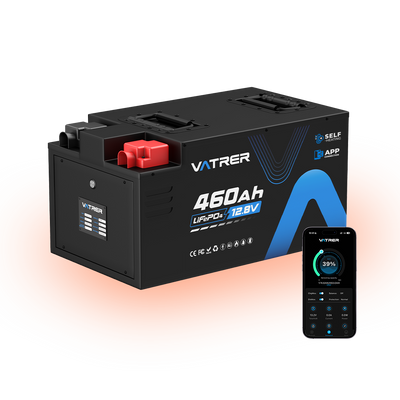
Lead-acid batteries require ventilation and regular maintenance. Lithium batteries eliminate acid spills but introduce electronic control systems that actively manage safety. With a built-in Battery Management System (BMS) monitor voltage, current, and temperature in real time.
Lead-Acid vs Lithium Safety Comparison
| Feature | Lead-Acid Batteries | Lithium (LiFePO4) Batteries |
|---|---|---|
| Maintenance | Requires watering | Maintenance-free |
| Spill Risk | Acid spill possible | No liquid acid |
| Weight | 300–400 lbs (48V system) | 50–70% lighter |
| Safety Control | No built-in protection | Built-in BMS |
Charging efficiency is another factor. Lithium systems often operate above 95% efficiency, meaning less wasted energy and less heat generation. Less heat means reduced risk over time. Some models also include Bluetooth monitoring so you can check voltage, temperature, and state of charge directly from your phone, removing guesswork from system health.
Make Your Golf Cart Street Legal Safely
If you're driving beyond private paths, legality becomes part of safety. Street legal requirements vary by state, but compliance reduces liability and protects your family in case of accidents.
Most states require carts to have:
- Headlights
- Brake lights
- Turn signals
- Mirrors
- Seat belts
- Slow-moving vehicle (SMV) triangle
If your cart exceeds 20 mph, it may classify as a Low-Speed Vehicle (LSV), triggering additional safety and insurance requirements.
Street Legal Requirements by State
| State | Minimum Driver Age | Required Equipment | Notes |
|---|---|---|---|
| Florida | 14 (local roads) | Headlights, brake lights, mirrors, seat belts (for LSV) | LSV allowed up to 35 mph roads |
| California | 16+ (with license) | Headlights, brake lights, reflectors, mirrors | Must meet LSV standards if >20 mph |
| Texas | Varies by municipality | Lights, reflectors, SMV emblem | Often restricted to master-planned communities |
| Arizona | 16+ (licensed) | Mirrors, seat belts (LSV), lights | Insurance required for LSV |
Before allowing family members to operate the cart on public roads, confirm local statutes through your state's Department of Motor Vehicles or transportation authority website.
Routine Safety Checklist for Family Golf Carts
Preventative maintenance can prevent small problems from escalating into major hazards. A quick ten-minute check each time ensures your golf cart functions properly every time you use it.
Weekly and Monthly Inspection Guide
| Frequency | What to Check | Standard to Meet |
|---|---|---|
| Weekly | Tire pressure | 18–22 PSI |
| Weekly | Brake response | Stops under 12 ft at 10 mph |
| Monthly | Battery terminals | No corrosion or looseness |
| Monthly | Lights | All signals functional |
| Quarterly | Brake pads | No excessive wear |
| Annually | Suspension & steering | No looseness or vibration |
If your golf cart fails to meet any of these standards, address the issue promptly, don't delay repairs.
For lithium battery systems, periodic diagnostic checks through built-in monitoring (such as Vatrer battery Bluetooth apps) allow you to confirm voltage balance and temperature readings.
Conclusion
Making a golf cart safer for your family to use starts with thinking about how you use the golf cart. When you start using the golf cart as a way to get around every day or just something fun to ride around in you will want to make sure it is stable, you can see well and it has good restraint systems. You will also want to use the golf cart in a way. If you make a small change to the golf cart and get into some good habits, you can make the golf cart a lot safer. The golf cart will be safer for your family to use.
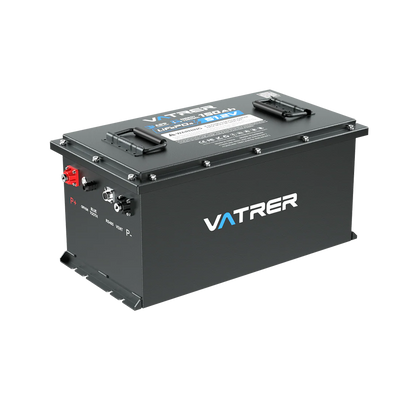
Long-term safety also depends on reliability. Such as the Vatrer lithium battery, offering 4,000+ cycles, stable output, and intelligent 200A BMS protection helps prevent electrical faults and unexpected shutdowns. When temperature safeguards and smart monitoring keep the power system operating within safe limits, your family rides become not just more convenient, but consistently safer.
Share