What Are the Most Popular Lithium Battery Uses for?
Reading time: 7 minutes

Share
Lithium batteries have transformed the way we power our world. From portable gadgets to electric vehicles and renewable energy systems, their impact reaches every corner of modern life. Known for their high energy density, longer life, and fast charging capabilities, lithium-based technologies now underpin nearly all advanced energy storage systems. This guide explores how lithium batteries work, their major types, and the most popular real-world applications driving today's global energy transformation.

What is a Lithium Battery
At their core, lithium batteries are rechargeable batteries that use lithium ions as a key component in the electrochemical process. During charging and discharging, lithium ions move between the cathode (positive electrode) and anode (negative electrode) through an electrolyte, releasing or storing electrical energy.
| Component | Function |
|---|---|
| Cathode | Determines the battery’s voltage and capacity; made of compounds such as lithium iron phosphate (LiFePO4) or lithium nickel manganese cobalt (NMC). |
| Anode | Typically made of graphite; stores lithium ions during charging. |
| Electrolyte | A medium that allows ion transport between electrodes. |
| Separator | A thin membrane prevents electrical short circuits while allowing ion flow. |
These components work together to deliver stable performance, low self-discharge, and high discharge rates, making lithium batteries efficient for both consumer and industrial applications.
What Are the Main Lithium Battery Types and Chemistries
Different battery types have distinct strengths, each suited to specific applications. Understanding these battery chemistries helps in selecting the right one for each purpose.
| Battery Type | Key Features | Common Uses |
|---|---|---|
| Lithium-Ion (Li-ion) | High energy density, good cycle life, suitable for compact electronics. | Smartphones, laptops, electric vehicles. |
| Lithium Iron Phosphate (LiFePO4) | Exceptional safety, long lifespan, and stable voltage, with slower degradation over charging cycles. | Solar storage, golf carts, RVs, backup power. |
| Lithium Polymer (LiPo) | Flexible, lightweight design with solid or gel electrolyte. | Drones, wearables, model aircraft. |
| Lithium Manganese Oxide (LiMnO4) | High discharge rate and thermal stability. | Power tools, cordless equipment, e-bikes. |
Tips: Always match battery chemistry to the device's voltage, current, and discharge needs for optimal performance and safety.
Why Lithium Batteries Are So Widely Used
The global dominance of lithium batteries is due to their high performance-to-weight ratio and technological adaptability. Key advantages include:
- High Energy Density: More energy stored in smaller, lighter cells.
- Fast Charging: Reduces downtime for vehicles and devices.
- Longer Life: Thousands of cycles before significant capacity loss.
- Low Maintenance: No need for regular refilling or conditioning.
- Lightweight Design: Easier integration in portable or mobile equipment.
- Eco Efficiency: Reduced waste and improved recyclability compared to older batteries such as lead-acid or nickel-cadmium.
What Are the Most Popular Lithium Battery Uses for
Lithium batteries power nearly every modern device and system that requires efficient, rechargeable energy. Below are the most important and rapidly growing fields of use.
Consumer Electronics: Powering Everyday Devices
From smartphones to laptops, lithium-ion batteries are the backbone of portable technology. Their high energy density allows long device runtimes, while their compact size supports slim designs.
- Smartphones and Tablets: Balance long runtime and lightness.
- Laptops: Power-efficient, rechargeable solutions for on-the-go productivity.
- Wearables: Low-weight and flexible LiPo cells power smartwatches, earbuds, and fitness trackers.
These batteries have shaped the mobile-first lifestyle that defines the digital age.
Electric Vehicles (EVs) and Personal Mobility
The global shift toward electrified transport would not be possible without lithium batteries. They deliver strong acceleration, long range, and fast charging, enabling clean and efficient transportation.
- Electric Vehicles: Li-ion and LiFePO4 batteries store large amounts of energy in compact modules, allowing hundreds of miles per charge.
- E-Bikes and Scooters: Smaller packs provide lightweight convenience for urban commuting.
- Mobility Scooters & Wheelchairs: Offer longer operation and easy recharging for personal independence.
- Golf Carts: Replacing heavy older batteries, LiFePO4 batteries provide smoother acceleration, lower weight, and a lifespan exceeding 4,000 cycles.
Tips: For electric vehicles and carts, LiFePO4 battery chemistry is preferred for its stability, safety, and long cycle life.
Renewable Energy and Large-Scale Energy Storage Systems
Lithium batteries are revolutionizing how we store and manage renewable energy. They enable homes, businesses, and power grids to capture solar or wind energy and use it on demand.
- Residential Solar Storage: LiFePO4 batteries store daytime solar energy for night use, ensuring a consistent supply.
- Commercial and Industrial Systems: Large-scale energy storage stabilizes renewable grids, balancing supply and demand.
- Off-Grid and Backup Power: Provides immediate energy access in remote locations or during outages.
Medical and Healthcare Equipment
Reliability and compact design make lithium batteries ideal for healthcare technology.
- Pacemakers and Hearing Aids: Long-lasting, low-drain batteries support life-critical applications.
- Portable Defibrillators: Require instant energy delivery under emergency conditions.
- Mobile Diagnostic Devices: Lightweight batteries enhance portability for field operations.
Tips: Medical-grade lithium batteries prioritize safety, temperature control, and minimal self-discharge.
Aerospace, Defense and Drones
In aerospace and defense, where energy density and reliability are critical, lithium batteries are indispensable.
- Satellites: Depend on lithium cells for long-term power in space.
- Drones and UAVs: Benefit from lightweight design, rapid recharge, and high power output.
- Military Equipment: Power communication, navigation, and surveillance devices in extreme conditions.
These technologies rely on lithium's unique balance of energy and weight, impossible with traditional batteries.
Power Tools and Industrial Equipment
Modern cordless power tools like drills, saws, and blowers depend on lithium battery packs for their high discharge rate and efficient power delivery.
- Construction Tools: Provide robust torque without cords or fuel.
- Garden Equipment: Lawn mowers and hedge trimmers use Li-ion batteries for quiet, emission-free operation.
- Industrial Devices: Forklifts and warehouse robots increasingly use LiFePO4 systems for reliability and cost savings.
Marine and Leisure Applications
On the water and on the road, lithium batteries offer durability and independence.
- Marine Vessels & Yachts: Compact and corrosion-resistant, ideal for trolling motors and onboard electronics.
- RVs and Campers: Deliver long runtime and fast charging for off-grid adventures.
- Leisure Vehicles: Power refrigerators, lighting, and navigation without noise or fumes.
Tips: Choose waterproof battery enclosures and proper ventilation for marine or outdoor installations.
Uninterruptible Power Supplies (UPS) and Backup Systems
Lithium batteries provide immediate backup power in the event of outages, making them essential for data centers, telecom stations, and hospitals.
- UPS Systems: Deliver instant energy during grid failure.
- Emergency Lighting and Alarms: Operate safely even after long inactivity thanks to low self-discharge.
- Critical Infrastructure: Ensures smooth transitions between grid and generator power.
Industrial and Grid-Scale Energy Storage
As renewable generation grows, grid-level lithium storage ensures reliability at a large scale.
- Energy Storage Systems (ESS): Capture surplus electricity from wind and solar farms.
- Microgrids: Enable communities to maintain local energy independence.
- Peak Shaving Applications: Balance electricity demand and prevent blackouts.
This field represents the fastest-growing segment in the lithium battery industry, combining sustainability with scalability.
How to Choose the Right Lithium Battery for Your Needs
Choosing the correct lithium battery is not only about capacity, but it's also about compatibility, efficiency, and safety. Here are the main factors to consider when selecting the right battery for your application:
Tips: Always check your charger compatibility and ensure the battery's voltage and chemistry align with your equipment's design.
Battery Chemistry
Different battery chemistries serve different purposes.
- Li-ion: Best for high energy density and compact devices.
- LiFePO4: Best for safety, long lifespan, and stable discharge, ideal for solar, RV, and electric vehicle use.
- LiMn₂O₄: Perfect for power tools requiring high discharge currents.
- LiPo: Suitable for ultra-lightweight and flexible designs.
Voltage and Capacity
Voltage (V): Must match your device or system specifications.
Capacity (Ah or Wh): Indicates how long the battery can power your device. Higher capacity = longer runtime.
Discharge Rate
Determines how quickly a battery can release energy. High discharge rates are necessary for heavy-duty tools, EVs, or marine propulsion systems.
Operating Environment
Temperature tolerance is crucial, LiFePO4 performs well in both hot and cold conditions. For marine or outdoor use, prioritize waterproof casings and anti-corrosion materials.
Size and Weight
Compact batteries benefit portable devices, and larger formats suit stationary storage. Always consider installation space and total system weight.
Safety Features
Look for built-in Battery Management Systems (BMS) with overcharge, over-discharge, and short-circuit protection.
Lifespan and Maintenance
Compare charging cycles and overall service life. LiFePO4 batteries often exceed 4,000 cycles, offering superior longer life with minimal maintenance.
Conclusion
Lithium batteries continue to redefine how energy is stored, transported, and consumed. Their combination of advanced battery technology, fast charging, and longer life ensures they remain central to innovations in clean energy, transportation, and digital technology. As industries evolve, their role will expand, from electric vehicles and power tools to large-scale renewable energy storage, driving a more sustainable, efficient, and connected world.
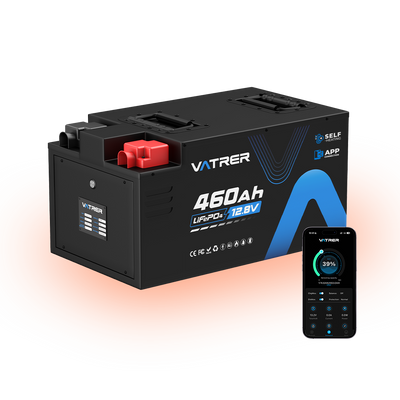
Vatrer Battery provides high-quality LiFePO4 lithium battery solutions for diverse applications, including golf carts, RVs, solar systems, and industrial backup power. Each pack is equipped with intelligent BMS protection, over 4,000 charging cycles, and durable IP-rated designs for outdoor or commercial environments. With a commitment to innovation and sustainability, Vatrer helps customers power user projects and devices reliably and responsibly.
Have you noticed that traditional batteries are being rapidly replaced by lithium-ion batteries? Among lithium-ion batteries, those with a LiFePO4 chemistry are widely used and are safer and more environmentally friendly than other types. Want to learn more about LiFePO4? Read on:
What are the Differences Between Lithium Batteries and Regular Batteries?
Share