Golf Cart Battery Prices Explained: Lead-Acid vs Lithium Battery Costs
Reading time: 8 minutes
How much do golf cart batteries cost? The honest answer is: it depends on what kind of battery you buy, how many your cart needs, and whether you are replacing a basic lead-acid pack or upgrading to lithium.
For most golf cart owners in the U.S., a full battery replacement can run anywhere from $800 to $1,500 for flooded lead-acid, around $1,200 to $2,000 for AGM, and roughly $1,500 to $5,000+ for lithium. That is a big range, but once you look at lifespan, maintenance, charging speed, weight, and replacement cycles, the cheapest battery at checkout is not always the cheapest battery to own.
This guide breaks down real golf cart battery costs in plain English, so you can decide whether lead-acid still makes sense or if lithium is the better long-term move.

Quick Price Snapshot: What Golf Cart Batteries Cost
| Battery Type | Typical Full Pack Cost | Typical Lifespan | Best For |
|---|---|---|---|
| Flooded Lead-Acid | $800–$1,500 | 3–5 years with good care | Lowest upfront cost |
| AGM Lead-Acid | $1,200–$2,000 | 4–6 years | Maintenance-free lead-acid option |
| Gel Battery | $1,200–$2,500 | 4–7 years | Specific low-maintenance applications |
| LiFePO4 Lithium | $1,500–$5,000+ | 8–10+ years | Long-term value, range, performance |
Prices vary by voltage, amp-hour capacity, brand, cart model, charger requirements, and installation. A 36V cart usually costs less to convert than a 48V or 72V cart, and a high-capacity lithium pack costs more than a basic short-range pack.
Flooded Lead-Acid Batteries: Cheapest Up Front
Flooded lead-acid batteries are the old-school golf cart battery. They are common, easy to find, and usually the cheapest option when you just want to get your cart running again.
A typical flooded lead-acid battery may cost around $100 to $250 each, depending on brand, voltage, and capacity. Since most golf carts need a set of multiple batteries, the full replacement cost is usually around $800 to $1,500.
The catch is maintenance. Flooded batteries need water checks, clean terminals, proper charging, and regular care. If you ignore them, they can lose capacity quickly. They are also heavy, and performance drops as the pack discharges.
AGM Batteries: Less Maintenance, Higher Price
AGM batteries are still lead-acid batteries, but they are sealed and do not need watering. That makes them easier to live with than flooded batteries.
For a full golf cart pack, AGM batteries usually cost around $1,200 to $2,000. They are cleaner and more convenient than flooded lead-acid, but they are still heavy and do not offer the same long cycle life or usable capacity as lithium.
AGM can make sense if you want to avoid watering but are not ready to pay for lithium. Just do not expect lithium-level range, weight savings, or cycle life.
Gel Batteries: Good in Some Cases, But Picky
Gel batteries are another sealed lead-acid option. They are low maintenance and can perform well when charged correctly. However, they are sensitive to charging settings, so using the wrong charger can shorten their life.
A full gel setup may cost around $1,200 to $2,500. For most golf cart owners, AGM or lithium is usually the more common choice, but gel batteries may still work in certain setups where spill resistance and low maintenance matter.
Lithium Golf Cart Batteries: Higher Price, Better Long-Term Value
Lithium batteries cost more at the start, but they are the main upgrade for owners who want better performance and fewer battery headaches. A full LiFePO4 golf cart battery setup usually costs around $1,500 to $5,000+, depending on voltage, amp-hour rating, kit design, charger, display, Bluetooth or app monitoring, and brand.
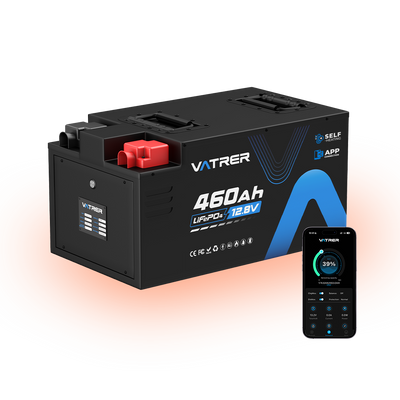
Vatrer Power offers lithium golf cart battery options in 36V, 48V, and 72V, with LiFePO4 designs built for long cycle life, strong discharge output, and low maintenance.
The biggest lithium benefits are simple: less weight, faster charging, no watering, steadier power, longer range, and far more cycles than lead-acid.
Lithium vs Lead-Acid: Which Costs Less Over Time?
If you only compare the receipt on day one, lead-acid usually wins. If you compare the cost over 8 to 10 years, lithium often looks much better.
| Battery Type | Estimated First Cost | Possible Replacements Over 10 Years | Maintenance Cost | Estimated 10-Year Cost |
|---|---|---|---|---|
| Flooded Lead-Acid | $1,200 | $1,200–$2,400 | $200–$600 | $2,600–$4,200 |
| AGM Lead-Acid | $1,600 | $1,600–$3,200 | $0–$200 | $3,200–$5,000 |
| LiFePO4 Lithium | $2,000–$4,000 | Often $0 | Usually $0 | $2,000–$4,000 |
These are estimates, not guaranteed numbers. But the point is clear: lithium costs more upfront, while lead-acid can cost more through replacement, maintenance, and lost performance.
Why Lithium Often Feels Cheaper After You Own It
Lithium batteries do not just last longer. They also give you more usable power. Lead-acid batteries should not be deeply discharged too often if you want them to last. Lithium batteries can typically use more of their rated capacity without the same level of wear.
That means a lithium pack with the same rated capacity may deliver more real-world driving range. It also holds voltage better, so your cart does not feel as sluggish when the battery gets lower.
What Makes One Golf Cart Battery More Expensive Than Another?
- Voltage: A 72V setup usually costs more than a 36V setup.
- Capacity: More amp-hours usually means more range and a higher price.
- Battery chemistry: Lithium costs more upfront than lead-acid.
- Brand quality: Better cells, stronger BMS protection, and warranty support usually cost more.
- Kit features: Chargers, LCD screens, Bluetooth, mobile app monitoring, and cables can affect price.
- Cart condition: Old cables, worn connectors, or charger upgrades can add cost.
Hidden Costs to Watch For
The battery price is not always the final price. Before buying, think about these extra costs:
- Installation: A shop may charge around $150 to $600 or more depending on the cart and conversion work.
- Charger: Lithium batteries need a lithium-compatible charger.
- Cables and connectors: Old lead-acid cables may need replacing.
- Battery meter: Lithium may require a different state-of-charge meter.
- Recycling or core fees: Lead-acid batteries may include deposits, recycling fees, or disposal costs.
- Voltage reducer: Accessories like lights, radios, or USB ports may need proper 12V power management.
Battery Costs by Golf Cart Voltage
| Cart Voltage | Lead-Acid Cost Range | Lithium Cost Range | Notes |
|---|---|---|---|
| 36V | $600–$1,200 | $1,200–$2,500+ | Common on older carts |
| 48V | $800–$1,500 | $1,500–$4,000+ | Most common modern upgrade range |
| 72V | $1,500–$2,500+ | $2,500–$5,000+ | Higher performance carts and heavier use |
Not Just Golf Carts: RVs, Solar, and Boats Face the Same Choice
The lead-acid vs lithium decision is not only for golf carts. The same question shows up in RVs, trolling motor boats, off-grid solar systems, and backup power setups.
Lead-acid is attractive when the budget is tight. Lithium is usually better when you care about long-term use, lower weight, faster charging, and less maintenance. That is why many RV owners, solar users, and boaters are making the same switch golf cart owners are making.
Which Golf Cart Battery Should You Buy?
If you only need the lowest upfront cost, flooded lead-acid is still the cheapest way to get moving. Just be ready for maintenance, weight, and future replacement.
If you want less maintenance but still want a familiar battery type, AGM can work. It costs more than flooded lead-acid but removes the watering routine.
If you want the best long-term value, better range, lighter weight, and stronger performance, LiFePO4 lithium is usually the smarter buy.
| Feature | LiFePO4 Lithium | Lead-Acid |
|---|---|---|
| Upfront price | Higher | Lower |
| Weight | Much lighter | Heavy |
| Charging speed | Faster | Slower |
| Maintenance | Very low | Regular care needed |
| Cycle life | Much longer | Shorter |
| Driving performance | More consistent | Fades as voltage drops |
How to Get the Best Deal
- Buy a complete kit: A battery kit with charger, cables, display, or app support can save hassle.
- Match the battery to your cart: Do not overpay for more voltage or capacity than you need.
- Check warranty and support: A cheap battery with no support can become expensive fast.
- Shop seasonal sales: Spring, summer, holiday, and year-end deals can reduce the cost.
- Measure before buying: Make sure the battery fits your tray before placing the order.
FAQ
How much does it cost to replace golf cart batteries?
Most full replacements cost around $800 to $1,500 for flooded lead-acid, $1,200 to $2,000 for AGM, and $1,500 to $5,000+ for lithium, depending on voltage, capacity, brand, and installation.
Are lithium golf cart batteries worth the extra money?
For frequent use, usually yes. Lithium batteries cost more upfront, but they last longer, charge faster, weigh less, and need far less maintenance.
Can I buy cheap golf cart batteries online?
You can, but be careful. Very cheap lithium batteries may have weak BMS protection, poor cells, no real warranty, or limited support. For golf carts, battery safety and current output matter.
Do I need a new charger when switching to lithium?
Usually yes. Lithium batteries need a lithium-compatible charging profile. Some kits include the correct charger, which makes the upgrade easier.
What if I live in a cold state like Michigan or Minnesota?
Cold weather can affect battery performance and charging. If your cart is used or stored in cold conditions, consider lithium batteries with low-temperature protection or self-heating features.
Final Thoughts
Golf cart battery prices can feel confusing because the cheapest option upfront is not always the cheapest option over time. Lead-acid batteries are affordable and familiar, but they are heavy, require maintenance, and need replacing sooner. Lithium batteries cost more at checkout, but they offer longer life, lighter weight, faster charging, better range, and lower maintenance.
If your golf cart is used often, lithium is usually the better long-term investment. If your cart is used lightly and budget matters most, lead-acid can still get the job done. The best choice depends on how you drive, how long you plan to keep the cart, and whether you want to save money today or reduce costs over the next several years.
Share