Pros and Cons of Lithium Batteries for Boats
Reading time: 5 minutes

Share
From fishing boats to weekend cruisers, more boat owners are switching from traditional lead-acid batteries to lithium systems. The reason is simple: lithium batteries deliver longer run time, higher energy efficiency, and lighter weight, all essential on the water, where space and reliability matter.
Yet, every upgrade comes with trade-offs. Understanding both the advantages and disadvantages of lithium marine batteries helps you make an informed decision before investing in a full conversion.
Quick Takeaways
- Lithium marine batteries are up to 70% lighter and charge much faster than lead-acid options.
- They last 5-10 times longer, offering 3,000-6,000 charging cycles with minimal maintenance.
- Upfront cost is higher, but long-term savings offset the initial investment.
- Cold-weather charging can be a challenge unless the system has built-in heating or protection.
- Safety depends on proper installation, compatible chargers, and a reliable BMS.
- For frequent or off-grid boaters, lithium batteries are usually worth the upgrade.

Understanding Lithium Marine Batteries
Lithium marine batteries, particularly those built with LiFePO4 (lithium iron phosphate) chemistry, are designed for deep-cycle performance. Unlike starter batteries that deliver short bursts of current, deep-cycle lithium batteries can supply steady power over long periods for trolling motors, navigation systems, and onboard appliances.
At the core of each battery are multiple lithium cells connected in series and monitored by a Battery Management System (BMS). The BMS protects against overcharging, deep discharging, overheating, and short circuits. This technology gives lithium batteries their reputation for reliability and long life.
Compared with flooded lead-acid or AGM (Absorbent Glass Mat) batteries, lithium options have a flatter voltage curve, meaning your electronics receive stable power output from full charge down to about 90% discharge. That's why equipment runs smoother and longer on lithium, even when the state of charge drops.
The Pros of Lithium Batteries for Boats
Lightweight and Compact Design
A typical lithium marine battery weighs 40-70% less than its lead-acid equivalent. Less weight improves speed, fuel efficiency, and handling. It also frees up valuable storage space.
Longer Lifespan and More Charge Cycles
Lithium batteries can easily exceed 4,000-6,000 full cycles, while lead-acid batteries often last only 300-500 cycles. That's roughly a decade of reliable performance. The higher upfront price is balanced by years of reduced maintenance and fewer replacements.
Faster Charging and Higher Efficiency
Lithium batteries accept charge more efficiently. With the right charger, a LiFePO4 pack can recharge in 2-3 hours, compared to 8-10 hours for a flooded battery. This quick turnaround makes a major difference for anglers or travelers who need to hit the water again fast.
Consistent Power Delivery
Voltage drop is minimal with lithium. Devices and motors receive stable current until the battery is nearly empty, preventing that sluggish feeling lead-acid users often experience midway through a trip.
Maintenance-Free and Environmentally Safer
No acid, no venting, and no regular watering required. Lithium batteries are sealed, non-corrosive, and environmentally cleaner. They also eliminate acid spills, a crucial benefit for enclosed cabins or saltwater boats.
The Cons of Lithium Batteries for Boats
Higher Upfront Cost
The most common hesitation is price. Lithium batteries can cost two to four times more than comparable lead-acid models. However, when factoring in lifespan and efficiency, their total cost of ownership (TCO) is often lower over 8-10 years.
Charging Compatibility
You can't simply plug a lithium battery into any charger. Traditional lead-acid chargers may not have the correct voltage profile or cutoff levels. To avoid damage, you'll need a lithium-compatible charger or a smart marine charging system.
Cold-Weather Limitations
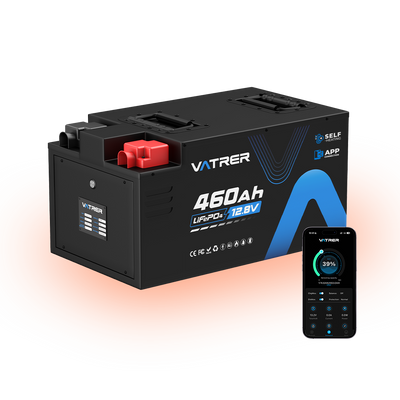
Charging below 32°F can cause internal lithium plating, damaging the cells. Many high-quality options, such as Vatrer's self-heating LiFePO4 batteries, automatically warm themselves before charging, allowing safe operation in colder climates.
Installation and System Integration
Older boats may require wiring upgrades, new fuses, or isolators to support lithium systems. While not overly complex, installation should be handled by a qualified marine electrician.
Disposal and Recycling
Though lithium batteries are cleaner in use, recycling systems are still developing. Proper disposal through certified facilities is essential to meet environmental regulations.
When Lithium Batteries Make the Most Sense for Boat Owners
Lithium batteries are ideal for high-demand or off-grid marine use. If you rely on trolling motors, run multiple electronics, or spend extended time away from shore power, the upgrade pays off quickly.
They're also perfect for solar-assisted systems and live-aboard vessels, where daily deep cycling is common. The consistent power output ensures smooth operation for refrigerators, lighting, navigation systems, and even air conditioning units.
For occasional weekend users or boats stored for long periods, AGM or lead-acid batteries may still be sufficient. But as lithium prices continue to drop, even casual boaters are beginning to see the long-term value.
Battery Recommendations by Boat Type
| Boat Type | Typical Use | Recommended Battery |
|---|---|---|
| Fishing boat | Heavy trolling, long days | Lithium (LiFePO4) |
| Sailboat | Off-grid cruising | Lithium (LiFePO4) |
| Pontoon / small leisure boat | Short trips | AGM or lead-acid |
Lithium Marine Battery Cost and Long-Term Value Comparison
When comparing lithium and lead-acid batteries, initial cost tells only part of the story. Lithium's long lifespan and higher efficiency mean lower replacement and maintenance costs over its lifetime.
| Battery Type | Average Lifespan | Efficiency | Maintenance | Approx. Cost per Cycle |
|---|---|---|---|---|
| Lead-acid | 3–5 years / 300–500 cycles | 70–80% | Regular watering | $0.50–$1.00 |
| AGM | 4–6 years / 600–800 cycles | 85% | Low | $0.30–$0.50 |
| LiFePO | 8–10 years / 4000+ cycles | 95–98% | None | $0.10–$0.20 |
Although lithium requires higher upfront spending, its long-term cost per use is significantly lower. Combined with faster charging and better performance, it becomes a more cost-effective choice for serious boaters.
Marine Lithium Battery Installation, Safety and Maintenance Tips
Installation Tips
- Secure batteries firmly to prevent vibration or movement.
- Use corrosion-resistant connectors and waterproof terminals.
- Ensure adequate ventilation for onboard equipment.
Charging and Maintenance
- Always use a LiFePO4-compatible charger.
- Avoid deep discharging below 10% SOC and store batteries at 50-60% charge.
- Periodically check BMS readings through the LCD display or Bluetooth app.
Safety Best Practices>
- Inspect cables for wear or corrosion.
- Keep the battery compartment dry and clean.
- Never bypass the BMS, it's the safety backbone of your system.
Tip: Vatrer Battery's LiFePO4 marine battery includes IP67 waterproof protection and smart BMS monitoring, reducing risks of short-circuiting or over-temperature damage even in rough marine conditions.
Conclusion
Switching to lithium power is one of the most impactful upgrades a boater can make. The technology offers longer lifespan, faster charging, and superior performance, perfect for those who value efficiency and independence on the water. Still, it's important to understand the cost, compatibility, and installation requirements before making the change.
For most frequent or off-grid users, lithium marine batteries are absolutely worth the investment. They save weight, reduce maintenance, and provide reliable power when it matters most.
Vatrer Battery delivers advanced LiFePO4 marine batteries designed with smart BMS protection, self-heating options for cold weather, and high-efficiency fast charging. These features make them a trusted choice for boat owners seeking both safety and long-term value.
Ready to upgrade your boat's power system? Explore Vatrer's full line of lithium marine batteries to find a solution that fits your vessel and sailing lifestyle.
Share