What are the Differences Between Lithium And Alkaline Batteries
Reading time: 7 minutes

Share
Batteries power almost everything in daily life, from TV remotes and flashlights to cameras and smart sensors. But when it's time to replace them, one common question comes up: What's the difference between lithium and alkaline batteries, and which one should you choose?
Understanding how these two battery types differ helps you save money, improve performance, and even reduce waste. This article explains their key differences in chemistry, lifespan, cost, usage, and safety, so you can make an informed choice for any device.

What Are Lithium and Alkaline Batteries?
Before diving into the differences, it helps to know what each type of battery actually is and how it works.
- Alkaline batteriesare the most common household batteries. They use a chemical reaction between zinc (Zn) and manganese dioxide (MnO₂), producing a standard voltage of 1.5V per cell. Alkaline batteries are non-rechargeable and are ideal for low to moderate-power devices like clocks, remotes, toys, and radios.
- Lithium batteries, on the other hand, rely on lithium compounds as the main energy source. Lithium is a highly reactive metal, giving these batteries a much higher energy density. They can come as non-rechargeable lithium (Li-FeS₂) or rechargeable lithium-ion (Li-ion/LiFePO4) types. Because of this chemistry, lithium batteries are lighter, longer-lasting, and more resistant to extreme temperatures than their alkaline counterparts.
In simple terms, alkaline batteries are the everyday choice, while lithium batteries are the performance-driven option, especially for high-drain devices or demanding conditions.
Key Differences Between Lithium and Alkaline Batteries
When comparing lithium batteries and alkaline batteries, it’s not just about which one “lasts longer.” Although both types deliver power to similar devices, their characteristics are very different. The following are the main differences between the two:
Chemical Composition
The difference starts at the chemical level.
Lithium batteries use lithium-based compounds (commonly lithium iron disulfide for disposable types or lithium-ion for rechargeable versions). Lithium’s reactive nature provides a higher energy density and lighter weight.
Alkaline batteries rely on a zinc–manganese dioxide (Zn–MnO₂) chemistry with an alkaline electrolyte (usually potassium hydroxide). This reaction generates a steady current but with less stored energy per unit of mass.
Simply put, lithium batteries store more energy in a smaller, lighter cell because of lithium's superior chemical properties.
Energy Performance
Lithium batteries deliver more consistent and higher energy output throughout their lifespan. They maintain a stable voltage even as they discharge, meaning devices continue to perform at full strength until the battery is nearly empty.
By contrast, alkaline batteries experience a gradual voltage drop, so power output declines over time, causing flashlights to dim or devices to respond more slowly as energy drains.
This makes lithium batteries better suited for high-drain electronics like digital cameras, GPS devices, or outdoor lights, while alkaline batteries fit low-drain gadgets such as clocks or remote controls.
Voltage Output
Voltage determines how much electrical pressure a battery provides.
Alkaline batteries typically deliver 1.5 volts per cell, but this drops steadily as the battery discharges.
Non-rechargeable lithium batteries also supply 1.5 volts per cell but maintain it much longer.
A rechargeable lithium-ion or LiFePO4 battery operates at 3.2–3.7 volts, supporting high-power or rechargeable applications like flashlights, drones, and solar systems.
Therefore, lithium batteries offer more stable voltage across their usable life, which keeps performance consistent.
Weight
Lithium batteries are much lighter, sometimes 30-50% less than alkaline batteries of the same size.
This lower weight matters in portable or handheld electronics, where carrying multiple batteries is common. It's also beneficial for outdoor or travel gear, where every ounce counts.
Temperature Performance
Temperature has a huge impact on battery efficiency.
Lithium batteries can operate reliably from −40°F to 140°F, maintaining strong performance in freezing or high-heat environments.
Alkaline batteries, however, lose efficiency below 0°F and may leak or swell in extreme heat.
For anyone using devices outdoors, like headlamps, GPS units, or cameras, lithium batteries perform far better in both cold and hot weather, while alkaline batteries are better suited for indoor use.
Use Lifespan
Alkaline batteries usually last between 100-200 hours in standard devices, while lithium batteries can last 500-800 hours or more under similar loads. Their shelf life is another key distinction, lithium batteries can be stored for 10-15 years, while alkaline batteries typically last only 5-7 years before losing capacity.
So even though lithium batteries cost more initially, their longer service life and reliability make them a better investment for frequent or professional use.
Cost
Upfront, lithium batteries are more expensive, often 2-3 times the price of alkaline ones. However, their longer lifespan and stronger performance make them more cost-effective over time.
An alkaline battery might need to be replaced several times before a single lithium battery runs out, especially in energy-intensive devices. Therefore, users who prioritize long-term value rather than initial price often find lithium batteries the smarter choice.
The following table summarizes their main distinctions:
| Comparison Aspect | Lithium Battery | Alkaline Battery |
|---|---|---|
| Energy Performance | High output, stable voltage | Gradual power loss over time |
| Chemistry | Lithium-based (Li-FeS₂ / Li-ion) | Zinc–Manganese Dioxide (Zn–MnO₂) |
| Voltage | 1.5V (non-rechargeable) / 3.2–3.7V (rechargeable) | 1.5V (drops gradually) |
| Cost | Higher upfront, long-term value | Lower cost, shorter lifespan |
| Lifespan | 500–800 hours (use) | 100–200 hours (use) |
| Weight | Lightweight (up to 50% lighter) | Heavier per cell |
| Temperature Range | −40°F to 140°F | 0°F to 130°F |
Lithium batteries are built for power, endurance, and extreme conditions, while alkaline batteries offer simplicity and low cost for everyday household use.
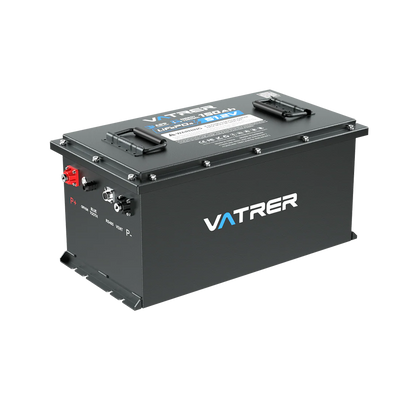
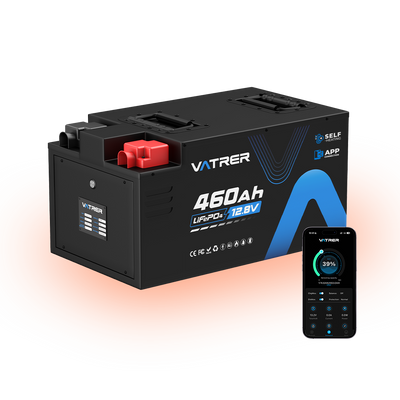
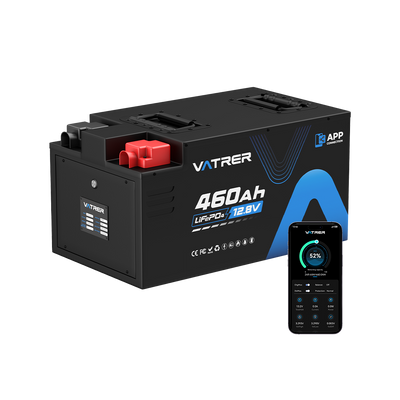
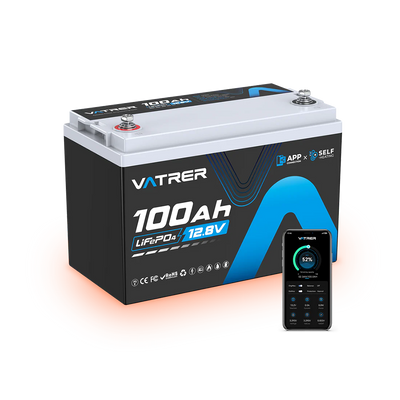
For users seeking reliability, lightweight design, and longevity, switching to high-quality lithium options, such as Vatrer LiFePO4 battery, can deliver greater performance and long-term savings across all kinds of devices.
Where Are Lithium and Alkaline Batteries Commonly Used?
Each type has its ideal application depending on power needs and environment.
Alkaline batteries are best for:
- Remote controls
- Clocks and smoke alarms
- Toys and wireless keyboards
- LED candles or small flashlights
Lithium batteries are best for:
- Digital cameras and drones
- Outdoor weather sensors
- GPS devices and high-powered flashlights
- Smart home systems and medical monitors
- Off-grid Solar Systems
- Electric Golf Carts
- Outdoor Camper RV
Tips: For devices that drain batteries quickly, such as golf carts or RVs, switching to lithium can save time and money in the long run. For infrequently used devices, alkaline batteries remain a cost-effective option.
How to Choose Between Lithium and Alkaline Batteries
The right battery depends on how you plan to use it. Here are some key points to consider:
- Usage Frequency: If the device runs daily or requires strong power (like flashlights or thermostats), lithium batteries provide better reliability.
- Environment: For cold weather or outdoor use, lithium is superior. Alkaline batteries may lose efficiency in freezing conditions.
- Budget: Alkaline batteries are cheaper upfront, but lithium batteries can save money over time since they last longer and need fewer replacements.
- Environmental Impact: Rechargeable lithium batteries generate less waste, aligning with sustainable and eco-friendly energy goals.
- Compatibility: Always check the device's voltage and the battery manufacturer's recommendation before switching battery types.
Tip: The easiest way is, for short-term or low-drain devices, choose alkaline, for long-term, high-drain, or outdoor applications, go for lithium.
Why More People Are Switching to Lithium Batteries
The rise in lithium technology reflects a broader move toward efficiency, durability, and environmental responsibility. With longer shelf life, higher capacity, and stable output, lithium batteries have become the preferred choice in both consumer electronics and renewable energy systems.
Rechargeable lithium batteries, especially those using LiFePO4 chemistry, offer even greater advantages. They can deliver thousands of charge cycles, operate safely across a wide temperature range, and significantly reduce replacement costs.
For users looking to upgrade from alkaline or traditional disposable batteries, Vatrer Battery offers a range of advanced LiFePO4 lithium batteries designed for performance, safety, and longevity.
Vatrer batteries feature:
- Long cycle life (up to 4000+ cycles)
- High energy density for longer runtime
- Built-in Battery Management System (BMS) for overcharge, over-discharge, and short-circuit protection
- Lightweight and maintenance-free design
- With low temperature protection, self-heating and Bluetooth remote monitoring functions
From golf carts and RVs to home solar systems, Vatrer's lithium batteries deliver consistent power and peace of mind, an ideal upgrade for anyone tired of frequent alkaline replacements.
Conclusion
Both lithium and alkaline batteries have their place. Alkaline batteries are affordable and perfect for light-duty devices, while lithium batteries excel in high-performance, long-lasting, or extreme-environment situations.
If you prioritize cost-effectiveness for occasional use, alkaline is fine. If you value power, reliability, and sustainability, lithium is the smarter investment.
As technology continues to advance, lithium batteries, especially modern LiFePO4 options, are redefining what efficiency and longevity mean for everyday power.
Whether you're running a digital camera, a golf cart, or a solar system, upgrading to a trusted brand like Vatrer Battery ensures dependable performance, longer life, and real energy independence.
Share