How to Restore Golf Cart Batteries: Step-by-Step Guide
Reading time: 6 minutes

Share
If your golf cart doesn't drive as far as it used to, feels weaker after charging, or struggles on small hills, the battery is usually the first thing to blame. Before spending money on replacements, many golf cart owners search for how to restore a golf cart battery to see if the existing batteries can still be saved.
Here, we'll walk through what battery restoration really means, when it works, when it doesn't, and how to safely restore a lead-acid golf cart battery step by step. We'll also explain when restoration no longer makes sense and what options you should consider next.

Can You Really Restore a Golf Cart Battery
The short answer is: sometimes, but not always.
When people talk about golf cart battery restoration, they usually mean improving battery performance that has declined over time. This could include:
- Getting more driving range
- Helping the battery hold a charge longer
- Improving overall power output
However, restoring a golf cart battery does not mean making an old battery battery “like new.” Restoration can slow down performance loss, but it cannot reverse physical aging or severe internal damage.
Important to understand:
- Restoration works best on lead-acid golf cart batteries (flooded or AGM)
- Lithium golf cart batteries cannot be “restored” in the same way
- Results depend heavily on battery age, condition, and past maintenance
Setting realistic expectations from the start helps you avoid wasted time and unsafe experiments.
Why Golf Cart Batteries Lose Performance Over Time
Before learning how to restore a golf cart battery, it helps to understand why batteries weaken in the first place. Most issues are caused by everyday use patterns rather than sudden failure.
Sulfation (The Most Common Cause)
When a lead-acid golf cart battery is left partially charged or stored for long periods, sulfate crystals build up on the plates. Over time, this hardens and reduces the battery's ability to accept and hold a charge.
Improper Charging Habits
- Frequent shallow charging
- Leaving the battery discharged
- Using the wrong charger
All of these shorten battery life and accelerate performance loss.
Low Water Levels (Flooded Batteries)
Flooded lead-acid batteries require distilled water. Low water levels expose the plates, causing permanent damage and reduced capacity.
Battery Pack Imbalance
Golf carts rely on multiple batteries working together. One weak battery can drag down the entire pack, making the whole system feel weak.
How to Tell If a Golf Cart Battery Is Worth Restoring
Not every battery should be restored. Some are simply too far gone. Before you attempt any golf cart battery restoration, check the following:
Signs a Battery May Be Worth Restoring
- Battery age is under 4-5 years
- No visible cracks, bulging, or leaks
- Voltage is low but not zero
- Battery still charges, but doesn't last long
Signs Restoration Is Not Worth It
- Battery case is swollen or leaking
- Strong sulfur or rotten-egg smell
- Battery won't take a charge at all
- One battery repeatedly fails in a set
If multiple batteries in the pack show severe damage, restoration will likely be temporary at best. If you are using lithium golf cart batteries, read this to help you detect problems promptly: What Signs Indicate That i Need to Replace My Golf Cart Battery
How to Restore a Lead-Acid Golf Cart Battery Step by Step
After determining through the above methods that your battery is still worth repairing, this section will introduce the most reliable and safest method for repairing a lead-acid golf cart battery.
Step 1: Safety First
Before working on any golf cart battery:
- Wear gloves and eye protection
- Work in a well-ventilated area
- Turn off the golf cart completely
- Disconnect the battery cables
Lead-acid batteries contain corrosive acid and produce gas during charging, so safety matters.
Step 2: Check and Refill Water Levels
Flooded Batteries Only. Open the battery caps and inspect the water level:
- Plates should be fully covered
- Add distilled water only
- Do not overfill
This simple step alone can noticeably improve performance if water levels were low.
Step 3: Perform a Full Slow Charge
Reconnect the batteries and use the correct golf cart battery charger:
- Allow the charger to complete a full charge cycle
- Do not interrupt the charging process
- Avoid fast or “boost” charging modes
A slow, complete charge helps reduce mild sulfation.
Step 4: Equalization Charge
Some chargers offer an equalization mode:
- This slightly overcharges the batteries in a controlled way
- Helps balance the voltage between batteries
- Can improve consistency across the battery pack
Only use equalization if your charger supports it safely.
Step 5: Controlled Discharge and Recharge
After charging:
- Drive the golf cart normally until the battery reaches a low (but not dead) state
- Recharge fully again
- Repeat once or twice
This cycle can help recondition the battery and improve capacity.
Step 6: Test Results
After restoration:
- Measure the voltage across each battery
- Compare the driving range before and after
- Check for improved charge retention
If performance improves, restoration was successful, at least temporarily.
Common Golf Cart Battery Restoration Methods That Don't Work
Many online suggestions promise quick fixes, but some methods are ineffective or risky.
| Method | Why It’s Not Recommended |
|---|---|
| Chemical additives | Limited evidence, inconsistent results |
| Acid replacement | Dangerous and often illegal |
| High-voltage shock devices | Can damage plates or cause overheating |
| Household “hacks” | Unsafe and unreliable |
Stick to proven methods that focus on charging, water balance, and proper cycling.
How Long a Restored Golf Cart Battery Can Actually Last
A restored golf cart battery typically lasts:
- Several months to one or two years, depending on the condition
- Shorter if the battery was already near the end of its life
- Restoration extends usability, it does not reset the battery's age.
Good maintenance after restoration makes a big difference:
- Always fully charge after use
- Avoid deep discharges
- Store the cart properly during the off-season
Maybe you will need to know:
- How To Store Golf Cart Batteries In The Winter
- Why Your Lithium Golf Cart Battery is Dies in Winter
- How to Maintain Golf Cart Battery
When Restoring a Golf Cart Battery Is No Longer a Good Option
Restoration stops making sense when:
- Batteries need frequent attention
- Range drops again within weeks
- One battery keeps failing in the pack
- Maintenance time exceeds the value gained
At this stage, replacing the batteries is usually more cost-effective.
Restore or Replace a Golf Cart Battery: Which Makes More Sense
Here's a simple comparison to help decide:
| Factor | Restore Lead-Acid | Replace / Upgrade |
|---|---|---|
| Upfront cost | Low | Higher |
| Lifespan gained | Limited | Long-term |
| Maintenance | Ongoing | Minimal |
| Reliability | Inconsistent | Stable |
Many golf cart owners eventually move to lithium solutions to avoid repeated restoration cycles.
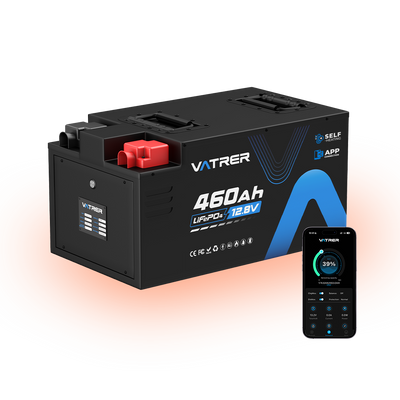
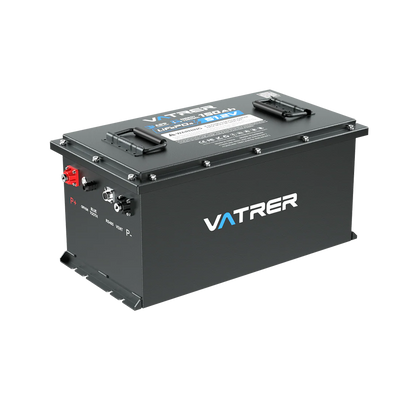
This is where brands like Vatrer Battery come into consideration. Vatrer lithium golf cart batteries are designed to deliver stable power, require no watering or restoration, and hold charge consistently over time, eliminating many issues that lead to restoration in the first place.
Conclusion
If your batteries are relatively young and structurally sound, learning how to restore a golf cart battery can help you get more life out of them. Follow safe, proven steps and keep expectations realistic.
However, if restoration becomes routine rather than occasional, it may be time to step back and evaluate replacement options. Upgrading to a modern lithium golf cart battery, such as those offered by Vatrer Battery, can reduce maintenance, improve consistency, and save time over the long run.
The best decision depends on your battery condition, usage habits, and how much effort you want to invest moving forward.
Share