How to Choose the Right Battery Type for a Club Car Golf Cart
Reading time: 16 minutes

Share
Choosing the right battery type for a Club Car golf cart starts with three checks: your cart’s voltage, the space under the seat, and how you actually drive.
That first part matters more than many buyers expect. A 48V Club Car does not use the same setup as an older 36V cart. A stock 2-seater on flat paths does not need the same battery capacity as a lifted 6-seater on hills. And if you are planning a Club Car lithium battery upgrade, voltage is only one part of the fit.
Most Club Car golf cart batteries fall into three groups: flooded lead-acid batteries, AGM or Gel batteries, and lithium LiFePO4 batteries. Each option can work. The right choice depends on your budget, maintenance habits, range needs, charger setup, and how long you plan to keep the cart.
Start With Your Club Car Model and Voltage
Before comparing prices or battery brands, check what your cart already uses. Club Car DS, Precedent, Tempo, and Onward models can have different voltage systems, tray layouts, and charger setups.
Do not guess by body style alone. Open the seat, count the batteries, read the labels, and check your owner’s manual or serial number if needed.


Check Your Club Car Model
- Club Car DS: Older Club Car DS batteries are often part of a 36V system using six 6V batteries. Some later or modified DS carts may be 48V.
- Club Car Precedent: Many Club Car Precedent batteries are part of a 48V system, often using six 8V batteries.
- Club Car Tempo: Club Car Tempo batteries are commonly found in 48V lead-acid or factory lithium setups, depending on the year and trim.
- Club Car Onward: Club Car Onward batteries may be 48V lead-acid or factory lithium. Some newer models use model-specific lithium battery systems.
The safest check is the existing battery bank. Six 8V batteries make 48V. Six 6V batteries make 36V.
Confirm the Battery Setup
Common Club Car Battery Setups by Voltage
| Existing Battery Setup | Total System Voltage | Common Situation | Replacement Direction |
|---|---|---|---|
| 6 x 6V batteries | 36V | Older Club Car DS models | 36V Club Car batteries or full system upgrade |
| 6 x 8V batteries | 48V | Many Club Car Precedent carts | 48V Club Car batteries or 48V lithium upgrade |
| 4 x 12V batteries | 48V | Some 48V Club Car setups | 48V replacement battery bank |
| Factory lithium battery | Model-specific | Some newer Tempo and Onward models | Match factory specs or approved replacement |
Most Club Car battery replacement decisions start with 36V or 48V. Do not install a 36V battery system in a 48V Club Car, and do not install a 48V system in a 36V cart unless the motor, controller, charger, wiring, and related parts are changed as a complete system.
A voltage mismatch can damage the controller, motor, charger, or battery system. It can also leave the cart unable to run or charge correctly.
Measure the Battery Compartment
Voltage tells you what the cart needs electrically. Fitment tells you whether the battery will physically work.
Measure the battery area before buying any Club Car golf cart battery, especially if you are replacing several lead-acid batteries with one lithium battery. Some Club Car trays were shaped around multiple lead-acid batteries, so a single lithium battery may need a mounting kit, spacer, retention strap, or battery rack.
Check these details before ordering:
- Compartment size: Measure length, width, and height in inches. Leave room for cables, terminals, hold-downs, and ventilation.
- Terminal position: A battery can match the voltage but still place the terminals in the wrong spot for your cables.
- Cable condition: Replace frayed, stiff, corroded, or undersized cables before installing new batteries.
- Mounting method: Flooded batteries often sit in multiple tray pockets. A single lithium battery usually needs a secure flat mounting setup.
Avoid cutting tray dividers or changing wiring unless the battery manufacturer gives that instruction or a qualified golf cart technician handles the work.


Main Club Car Golf Cart Battery Types
Most Club Car batteries fall into three categories: flooded lead-acid, sealed lead-acid, and lithium LiFePO4. The names sound technical, but the choice is usually about cost, maintenance, weight, and usable capacity.
Flooded Lead-Acid Batteries
Flooded lead-acid batteries are the traditional choice for many Club Car golf cart batteries. They are widely available and usually cost less upfront.
The trade-off is maintenance. These batteries need water level checks, distilled water, clean terminals, and proper charging. If they are left low on water or stored partly discharged, their lifespan can drop fast.
- Typical voltage options: 6V, 8V, and 12V batteries are common in golf cart battery banks.
- Typical capacity range: About 150Ah–225Ah per 6V or 8V deep cycle battery, depending on the model and rating method.
- Common lifespan range: About 3–6 years, depending on maintenance, climate, charging habits, and depth of discharge.
- Typical 48V pack weight: About 360–430 lbs for six 8V flooded batteries.
- Maintenance need: Check water level every 2–4 weeks during regular use. Use distilled water only.
- Best fit: Short trips, flat areas, low weekly use, and budget-focused replacement.
The main drawback is weight. A full lead-acid battery bank can add several hundred lbs under the seat, which affects acceleration, braking feel, hill climbing, and motor load.
AGM and Gel Batteries
AGM and Gel batteries are sealed lead-acid options. They do not need watering, and they reduce the mess that comes with flooded batteries. They still carry much of the weight of lead-acid chemistry.
AGM and Gel batteries make sense when you want lower maintenance but are not ready to move to lithium golf cart batteries.
- Typical voltage options: 6V, 8V, and 12V, depending on the battery layout.
- Typical capacity range: About 150Ah–220Ah per 6V or 8V battery.
- Common lifespan range: About 4–7 years with proper charging and storage.
- Typical 48V pack weight: About 380–460 lbs for six 8V AGM batteries.
- Maintenance need: No watering, but cables and terminals still need inspection.
- Best fit: Moderate use, cleaner battery bays, and users who want sealed batteries without changing the system too much.
Think of AGM and Gel as lower-maintenance lead-acid choices. They are not usually a major performance upgrade.
Lithium LiFePO4 Batteries
Lithium LiFePO4 batteries are popular because they reduce weight, charge faster, and provide more usable capacity. They also remove the watering and corrosion issues that come with flooded lead-acid batteries.
A Club Car lithium battery still needs to match the cart properly. You need the right voltage, charger, BMS rating, battery dimensions, and mounting setup.
- Typical voltage options: 36V, 48V, and model-specific lithium systems.
- Typical capacity range: About 60Ah–150Ah for many 48V golf cart lithium batteries, with higher-capacity systems available for heavier use.
- Common cycle life range: About 2,000–5,000+ cycles, depending on battery design, temperature, charging habits, and BMS quality.
- Typical 48V lithium pack weight: About 85–160 lbs for many 48V lithium golf cart batteries, depending on Ah capacity.
- Maintenance need: No water maintenance. You still need to inspect cables, mounts, and charger connections.
- Best fit: Daily driving, hills, heavier carts, long-term ownership, and users who want less battery care.
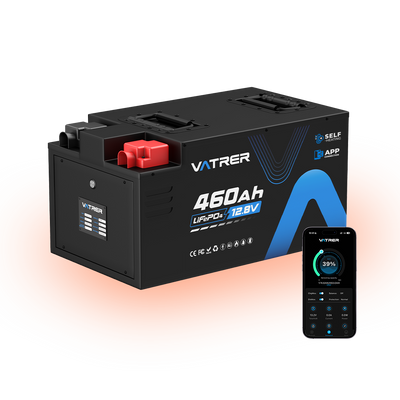
If you are already planning to replace old lead acid golf cart batteries, the Vatrer 48V lithium golf cart battery can help reduce battery weight, shorten charging time, and cut routine maintenance, while a matched conversion kit can make the upgrade easier than piecing together a battery, charger, and monitor separately.
Lithium vs Lead-Acid Batteries for Club Car Golf Carts
Do not compare lithium and lead-acid by purchase price only. A cheaper battery can cost more over time if it needs frequent maintenance, loses range early, or struggles with your driving conditions.
Club Car Battery Type Comparison
| Factor | Flooded Lead-Acid | AGM / Gel | Lithium LiFePO4 |
|---|---|---|---|
| Typical 48V Pack Cost | About $1,200–$1,800 | About $1,500–$2,500 | About $1,500–$3,500 |
| Common Lifespan | 3–6 years | 4–7 years | 8–10+ years possible |
| Cycle Range | About 500–1,000 cycles | About 600–1,200 cycles | About 2,000–5,000+ cycles |
| 48V Pack Weight | About 360–430 lbs | About 380–460 lbs | About 85–160 lbs |
| Typical Capacity Range | 150Ah–225Ah per 6V/8V battery | 150Ah–220Ah per 6V/8V battery | 60Ah–150Ah per 48V battery |
| Usable Capacity in Daily Driving | About 50%–60% | About 60%–70% | About 80%–100% |
| Full Charge Time | About 8–12 hours | About 6–10 hours | About 3–6 hours |
| Watering Needed | Yes | No | No |
| Maintenance Level | High | Low | Very low |
| Best Use | Budget replacement | Lower-maintenance lead-acid replacement | Long-term upgrade |
Flooded lead-acid usually wins on first cost. Lithium LiFePO4 usually wins on weight, usable capacity, charge time, and long-term maintenance. AGM and Gel sit in the middle, but they do not remove much weight.
Maintenance and Daily Use
Flooded batteries need the most attention. You need to check water level, add distilled water when needed, keep terminals clean, and watch for corrosion.
AGM and Gel batteries remove the watering step. You still need to inspect cables and keep the battery area clean.
Lithium LiFePO4 batteries remove water maintenance altogether. If you use your cart often, that time savings matters. You are not planning around watering schedules, acid residue, or terminal corrosion in the same way.
Weight, Range, and Performance
Weight changes how a Club Car feels. A heavy lead-acid battery bank makes the cart work harder during starts, hills, and stop-and-go driving. Lithium can remove roughly 200–300 lbs from many 48V battery compartments compared with a six-battery lead-acid bank, depending on the lithium battery size you choose.
Range is not just an Ah number. A 100Ah battery in a stock 2-seater on flat pavement will not behave the same as a 100Ah battery in a lifted cart with larger tires.
Range changes with:
- Terrain: Hills pull more current than flat pavement.
- Passenger load: A 4-passenger or 6-passenger cart uses more energy than a 2-passenger cart.
- Tires and lift kits: Larger tires and lifted suspensions increase rolling resistance.
- Driving speed: Fast starts and higher speeds use more current.
- Battery age: Older lead-acid batteries often lose capacity before they completely fail.
If your cart stays on flat paths near home, you may not need the largest lithium battery. If your cart is lifted, carries passengers, climbs hills, or runs accessories, compare both Ah capacity and BMS current rating before buying.
Lifespan and Long-Term Cost
Flooded lead-acid batteries cost less at checkout, but they bring maintenance and replacement costs. Missed watering, deep discharge, or poor storage can shorten their life.
Lithium LiFePO4 batteries cost more upfront. Their value comes from longer cycle life, lower weight, less maintenance, and stronger usable capacity over time.
A fair cost comparison should include:
- Purchase price: Include batteries, cables, charger changes, mounting parts, and installation.
- Expected service life: Compare years and cycles, not just battery count.
- Maintenance time: Watering, cleaning, and corrosion checks all take time.
- Charger needs: Lithium often needs a lithium-compatible charger.
- Warranty and support: Good support matters when you have fitment or charging questions.
How to Choose the Right Battery Type for Your Club Car
Once you know your voltage and battery space, match the battery type to your real driving pattern. Do not choose by product label alone.
Choose Lead-Acid for Budget Replacement
Flooded lead-acid batteries make sense when you want a low-cost Club Car battery replacement and your cart still works well with the original system.
Choose this path when:
- You drive short distances: Golf course use, quick neighborhood trips, and flat routes are easier on lead-acid batteries.
- You want the lowest first cost: Flooded batteries usually cost less than AGM, Gel, or lithium.
- You can handle maintenance: Plan to check water level every 2–4 weeks during active use.
- Your cart is mostly stock: Stock tires, flat terrain, and light passenger loads fit lead-acid better.
Do not choose flooded lead-acid if you know you will skip maintenance. Underwatered batteries lose capacity, corrode faster, and often need replacement sooner.
Choose AGM or Gel for Lower Maintenance
AGM or Gel batteries are a practical middle choice. They keep you in the lead-acid family but remove the need to add water.
Choose this path when:
- You want sealed batteries: No watering, less mess, and lower risk of acid spills.
- You prefer a familiar layout: Many carts can stay close to the original battery setup.
- You use the cart moderately: AGM and Gel can work well for steady light-to-medium driving.
- You are not ready for lithium costs: They usually cost less than lithium, though more than flooded batteries.
The trade-off is weight. AGM and Gel batteries are still heavy. If you want better hill response, more usable range, or lower battery weight, lithium is usually the better direction.
Choose Lithium for Long-Term Use
Lithium LiFePO4 is the stronger choice when you use the cart often and want the battery system to be easier to live with. It is also a better fit when the cart carries more weight, climbs hills, or needs more consistent power.
Choose this path when:
- You drive several times per week: Frequent use makes the longer life and lower maintenance easier to justify.
- You want more usable capacity: Lithium can deliver a larger share of its rated capacity without the same voltage sag you see from aging lead-acid batteries.
- You want less battery weight: Less weight can help acceleration, handling, braking feel, and hill performance.
- You plan to keep the cart: The longer you keep the cart, the more lithium’s lower maintenance and cycle life matter.
- You run accessories: Lights, speakers, USB ports, fans, and 12V accessories should be planned into the setup.
If your old Club Car batteries are losing range and you are tired of watering them, a Vatrer Club Car lithium battery conversion kit is a more direct upgrade path than replacing the same lead-acid bank again. You get a lighter battery system, faster charging, less maintenance, and a matched charger or monitor, which helps solve the common upgrade problem of buying parts that do not work well together.
Consider Terrain, Load, and Range
Capacity should match how the cart is used. Buying the smallest battery to save money can backfire if your cart regularly runs under heavy load.
Suggested Capacity Direction by Use
| Driving Pattern | Typical Cart Setup | Better Battery Direction | Capacity Range to Compare |
|---|---|---|---|
| Light golf course use | 2-passenger, flat paths | Lead-acid, AGM/Gel, or smaller lithium | System-matched 36V or 48V pack |
| Short neighborhood trips | 2–4 passengers, mild terrain | AGM/Gel or lithium | 48V 60Ah–105Ah lithium range |
| Daily community driving | 4 passengers, regular charging | Lithium LiFePO4 | 48V 100Ah–150Ah |
| Lifted cart or hills | Larger tires, more load | Higher-capacity lithium | 48V 105Ah–150Ah+ |
| Utility or heavy accessory use | Lights, audio, 12V loads, cargo | Lithium with stronger BMS | 48V 150Ah+ when range demand is high |
A flat-course cart can often stay with a smaller pack. A lifted Club Car, 4-seater, 6-seater, hill cart, or daily driver should compare higher Ah ratings and stronger BMS current ratings.
Ah is only part of the decision. A 48V 105Ah lithium battery stores about 5.12 kWh of energy. A 48V 150Ah lithium battery stores about 7.68 kWh. That extra energy matters when your route includes hills, passengers, larger tires, or longer daily miles.
Club Car Lithium Battery Upgrade: What to Check First
A lithium upgrade can improve your cart, but it is not just a battery swap. A Club Car lithium battery must work with the charger, BMS, cables, battery meter, and physical tray.
Charger Compatibility
A lead-acid charger is not always correct for lithium. The voltage may look close, but the charging profile can be different.
Check these items before upgrading:
- Charger voltage: A 48V LiFePO4 golf cart battery often charges around 56V–58V, depending on the battery design.
- Charging profile: Lithium batteries need a lithium-compatible charging curve.
- Charging current: Many lithium golf cart kits use chargers in the 15A–25A range. The charger must stay within the battery manufacturer’s limit.
- Onboard charger setup: Some Club Car systems use onboard charging parts that may affect the upgrade.
Use the charger recommended by the lithium battery manufacturer. If you buy a Vatrer battery conversion kit with a matched charger, you reduce the chance of pairing a lithium battery with the wrong charging profile.
BMS and Current Rating
The BMS, or battery management system, protects a lithium battery from overcharge, over-discharge, overheating, short circuit, and unsafe current events.
For a golf cart, the BMS also has to handle real driving loads.
Look at these ratings:
- Continuous discharge current: Many lithium golf cart batteries list about 100A–300A continuous output. A heavier cart or hilly route needs more current headroom.
- Peak discharge current: Starts, hills, and quick acceleration can require short bursts above normal draw.
- Charge current: Make sure the charger does not exceed the battery’s allowed charge current.
- Low-temperature protection: This matters if the cart is stored or charged in cold weather.
A weak BMS can trip under load. That may show up as sudden power loss when climbing a hill, carrying passengers, or accelerating from a stop.
OBC and Wiring Considerations
Some Club Car DS and Precedent models may have an onboard computer, often called an OBC, that affects charging behavior. This is one reason a lithium upgrade can be more involved than replacing one lead-acid bank with another.
Keep the check practical:
- Identify the system first: Find out whether your cart has an OBC or a charger setup that communicates with the cart.
- Follow the battery instructions: Some lithium kits may require charger changes or OBC-related steps.
- Do not guess with wiring: Battery cables carry high current. Incorrect wiring can damage expensive parts.
- Use a technician when needed: If the instructions mention bypassing or changing wiring, a golf cart technician is the safer path.
Tip: this is not an installation tutorial. The point is to know about OBC and wiring issues before you buy the battery.
Battery Meter and SOC Display
Lead-acid and lithium batteries do not drop voltage in the same way as they discharge. Because of that, an old lead-acid battery meter may not show lithium state of charge accurately.
A better lithium setup may include:
- LCD battery monitor: Gives a direct state-of-charge reading.
- Bluetooth monitoring: Lets you check voltage, charge level, and battery status from a phone app.
- Lithium-compatible dash meter: Useful when you want a cleaner built-in display.
This helps prevent range anxiety. A wrong meter can make a healthy battery look low, or make a low battery look safer than it is.
Final Checklist Before Buying Club Car Batteries
Use this list before you order Club Car batteries online or ask a shop for installation.
- Confirm the model and year: DS, Precedent, Tempo, and Onward models can have different layouts and charging setups.
- Confirm system voltage: Check whether you need 36V Club Car batteries, 48V Club Car batteries, or a model-specific factory lithium replacement.
- Count the existing batteries: Six 6V batteries usually mean 36V. Six 8V or four 12V batteries usually mean 48V.
- Measure the battery compartment: Check length, width, height, terminal space, and mounting room.
- Inspect the tray: Look for cracks, corrosion, old hold-down issues, or dividers that may affect a lithium install.
- Inspect the cables: Replace damaged or corroded cables before installing new batteries.
- Pick the battery type: Choose flooded lead-acid, AGM/Gel, or lithium LiFePO4 based on budget, maintenance, weight, and use.
- Match capacity to the route: Hills, passengers, accessories, lifted carts, and larger tires all increase energy demand.
- Check charger compatibility: Lithium needs a lithium-compatible charger. Lead-acid systems need a matched lead-acid charger.
- Review BMS ratings: For lithium, check continuous current, peak current, charge current, and low-temperature protection.
- Check OBC or onboard charging: Some Club Car models may need charger or wiring steps during a lithium upgrade.
- Review warranty and support: A battery with better support is easier to live with when fitment or charging questions come up.
Conclusion
Choosing the right battery type for a Club Car golf cart starts with confirming the model, voltage, and battery compartment. Flooded lead-acid batteries can still work well for a low-cost Club Car battery replacement. AGM and Gel batteries reduce maintenance. Lithium LiFePO4 batteries are better for long-term owners who want lighter weight, less routine maintenance, and stronger usable capacity.
Before buying, check your Club Car’s voltage, existing battery layout, charger compatibility, and driving needs. Once those details are clear, you can choose a battery system that fits your cart, your budget, and the way you actually drive.
Share