Comprehensive Guide to Purchasing 36V Golf Cart Batteries
Reading time: 9 minutes
Buying a new 36V golf cart battery can feel confusing at first. You will see lead-acid packs, lithium batteries, different amp-hour ratings, charger requirements, warranties, and plenty of claims about longer range or better power. The right choice depends on how you use your cart, where you drive, and how much maintenance you want to deal with.
For many U.S. golf cart owners, a 36V cart is used around golf courses, neighborhoods, RV parks, farms, campgrounds, lakeside properties, and gated communities. If your battery is weak, your cart may slow down on hills, lose range, charge poorly, or leave you stuck before the day is over.
This guide explains what to check before buying 36V golf cart batteries, including battery type, capacity, compatibility, lifespan, charger setup, weight, warranty, safety, and long-term value.

What Is a 36V Golf Cart Battery?
A 36V golf cart battery system provides power to a 36-volt electric golf cart. Older carts often use six 6V lead-acid batteries wired in series to create 36 volts. Newer upgrades may use one 36V lithium battery pack instead.
The battery does more than simply start the cart. It affects range, hill climbing, acceleration, charging time, maintenance, and overall driving feel. A weak or mismatched battery can make a good golf cart feel slow and unreliable.
Lead-Acid vs Lithium: Which 36V Battery Type Should You Choose?
The first big decision is battery type. Most 36V golf cart owners choose between lead-acid batteries and lithium-ion batteries, especially LiFePO4 lithium batteries.
- Lead-acid batteries: These usually cost less upfront. They are common, familiar, and widely available. However, flooded lead-acid batteries need regular maintenance, including checking water levels, cleaning terminals, and avoiding deep discharge.
- Lithium-ion batteries: These cost more at first, but they are lighter, charge faster, last longer, and require much less maintenance. LiFePO4 batteries are especially popular for golf carts because they offer stable performance and strong cycle life.
| Feature | Lead-Acid 36V Setup | 36V Lithium Battery |
|---|---|---|
| Upfront Cost | Lower | Higher |
| Maintenance | Regular watering and cleaning may be needed | Very low maintenance |
| Weight | Heavy | Much lighter |
| Lifespan | Often about 3-5 years with proper care | Often 8-10 years or more depending on use |
| Charging | Slower | Faster with the right charger |
| Performance | Power fades as charge drops | More consistent power output |
| Best For | Budget replacements and light use | Frequent use, less maintenance, and long-term value |
Check the Battery Capacity Before You Buy
Battery capacity is usually measured in amp-hours, or Ah. The higher the Ah rating, the more energy the battery can store. More capacity usually means longer driving range, but it also depends on cart weight, terrain, tire size, driving style, and accessories.
For example, a cart used only on flat neighborhood streets may not need the same capacity as a cart used on hilly courses, gravel paths, campgrounds, or property roads. A lifted cart with bigger tires, rear seats, lights, speakers, and cargo will usually use more power.
When comparing batteries, do not look only at voltage. A 36V battery must also provide enough usable capacity for your normal driving needs.
Make Sure the Battery Fits Your Golf Cart
Compatibility is one of the most important buying steps. A 36V battery is only the right choice if your golf cart is actually designed for a 36V system.
Before ordering, check:
- The golf cart voltage: 36V, not 48V or 72V
- The battery compartment size
- The cart brand and model, such as Club Car, EZGO, or Yamaha
- The controller and motor power requirements
- The battery cable size and condition
- The charger plug and charging port
- Whether your accessories are wired correctly
If you are replacing six 6V lead-acid batteries with one 36V lithium battery, you may also need new cables, a lithium charger, a battery meter, or updated mounting hardware.
Battery Lifespan: Short-Term Price vs Long-Term Value
Lead-acid batteries usually last about 3-5 years when maintained properly. Poor charging habits, low water levels, corrosion, and deep discharges can shorten that lifespan.
Lithium golf cart batteries can often last 8-10 years or more depending on battery quality, cycle life, temperature, charging habits, and how deeply they are discharged. This is why lithium often costs more at checkout but may cost less over the full life of the battery.
| Battery Type | Typical Lifespan | What Affects Lifespan Most |
|---|---|---|
| Lead-Acid | About 3-5 years | Watering, charging habits, corrosion, depth of discharge |
| Lithium | About 8-10+ years | Battery quality, BMS protection, charger compatibility, temperature |
Charging Options Matter
Do not assume your old charger will work with a new battery. Lead-acid and lithium batteries use different charging profiles. A charger made for flooded lead-acid batteries may not charge a lithium battery correctly.
If you choose lithium, use a charger designed for 36V LiFePO4 or the specific battery chemistry recommended by the manufacturer. The correct charger helps protect battery life, improve charging speed, and reduce the risk of faults.
Before buying, confirm:
- The charger voltage matches the battery voltage
- The charger supports the battery chemistry
- The plug fits your cart or battery
- The charger has proper shut-off or charge management
- The battery manufacturer approves the charger
Performance and Power: Think About How You Drive
A 36V golf cart battery should match your driving needs. If you mainly drive on flat pavement, you may not need the most powerful setup. If you climb hills, carry passengers, drive on grass, haul gear, or use a lifted cart, performance becomes more important.
Lithium batteries often feel stronger because they maintain voltage more consistently through the discharge cycle. Lead-acid batteries can feel weaker as the charge drops, especially near the end of the day.
For demanding use, look for a battery with enough continuous discharge current and peak current to support your cart’s controller and motor.
Battery Weight Can Change the Cart
Lead-acid batteries are heavy. Replacing a full lead-acid pack with lithium can remove a lot of weight from the cart. That can improve efficiency, reduce strain, and make the cart feel more responsive.
However, weight changes can also affect balance. If your cart has a rear seat kit, cargo bed, lift kit, oversized tires, or heavy accessories, make sure the new battery is mounted securely and positioned correctly.
A lighter battery is usually a benefit, but it still needs proper installation.
Maintenance Requirements
If you want the lowest-maintenance setup, lithium is the clear winner. Lead-acid batteries need more care, especially flooded batteries.
Lead-acid maintenance may include:
- Checking water levels
- Cleaning corrosion from terminals
- Equalizing charges when recommended
- Keeping batteries fully charged
- Avoiding deep discharge
Lithium batteries usually do not need watering or terminal cleaning in the same way. You still need to use the right charger, store the battery properly, and follow the manufacturer’s temperature guidelines.
Warranty and Support
A good warranty matters, especially if you are buying a lithium battery. Look beyond the headline warranty length and read what is actually covered.
Check these details:
- Warranty length
- Full replacement period vs prorated period
- Cycle life or usage limits
- Customer support availability
- Return policy
- Installation requirements that could affect coverage
A cheaper battery with poor support may become expensive if something goes wrong.
Battery Monitoring and BMS Protection
A quality lithium golf cart battery should include a battery management system, often called a BMS. This protects the battery from overcharging, over-discharging, overheating, short circuits, and excessive current draw.
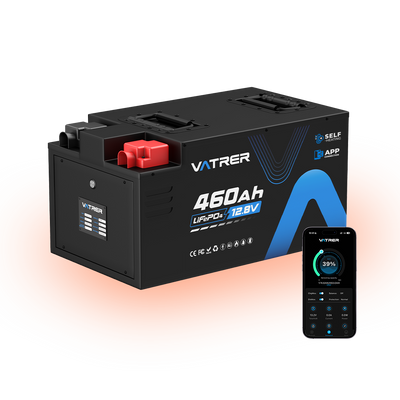
Some lithium batteries also include Bluetooth or app monitoring. This can be useful because it lets you check voltage, capacity, temperature, charging status, and battery health from your phone.
A built-in monitor is not required for every buyer, but it is helpful if you want to track range, diagnose problems, or avoid guessing how much power is left.
Budget: What Should You Really Compare?
The cheapest battery is not always the best value. When comparing 36V golf cart batteries, look at total cost over time.
- How long will the battery last?
- How much usable range do you get?
- Will you need a new charger?
- How much maintenance does it require?
- How often will it need replacement?
- Does the warranty offer real protection?
Lead-acid may be the better choice if you need the lowest upfront price. Lithium may be the better choice if you want longer life, lighter weight, faster charging, and less maintenance.
Environmental Impact and Recycling
Battery disposal matters. Lead-acid batteries contain lead and acid, so they must be recycled properly. The good news is that lead-acid recycling is widely available in the U.S.
Lithium batteries can last longer, which may reduce replacement waste over time. They also need proper recycling at end of life. Do not throw either battery type in household trash.
Before buying, ask the seller how to recycle the battery when it eventually reaches end of life.
Installation and Safety Tips
Battery installation should be done carefully. A 36V system can produce a lot of current, and incorrect wiring can damage the battery, controller, charger, or accessories.
- Turn the cart off before working on the battery system.
- Use properly sized cables and secure connections.
- Do not mix old and new batteries in the same lead-acid pack.
- Do not mix lithium and lead-acid batteries in one main pack.
- Secure the battery so it cannot move.
- Follow the wiring diagram from the battery manufacturer.
- Ask a golf cart technician for help if you are unsure.
FAQ
What size battery do I need for a 36V golf cart?
You need a battery system that provides 36 volts and enough amp-hour capacity for your driving range. The best Ah rating depends on terrain, cart weight, passengers, accessories, and how far you drive.
Can I replace six 6V batteries with one 36V lithium battery?
Yes, many carts can be upgraded this way, but you must confirm fitment, charger compatibility, cable size, controller requirements, and battery mounting.
Are lithium 36V golf cart batteries worth it?
For frequent use, usually yes. Lithium batteries cost more upfront but are lighter, last longer, charge faster, and require less maintenance.
Do I need a new charger for a 36V lithium golf cart battery?
Usually, yes. A lithium battery should be charged with a charger designed for that battery chemistry and voltage.
How long do 36V golf cart batteries last?
Lead-acid batteries often last about 3-5 years with good care. Lithium batteries can often last 8-10 years or more depending on use, quality, and charging habits.
Conclusion
Choosing the right 36V golf cart battery comes down to more than price. You need to compare battery type, capacity, compatibility, charger requirements, lifespan, weight, warranty, maintenance, and safety features.
Lead-acid batteries remain a practical choice for lower upfront cost and basic use. Lithium batteries are usually better for owners who want longer life, stronger performance, less maintenance, and lower weight.
Before buying, confirm your cart voltage, measure the battery space, check charger compatibility, and choose a reputable battery with proper support. A good 36V battery can make your golf cart more reliable, more efficient, and much more enjoyable to drive.
Share