How Much Does It Cost To Convert a 36V Golf Cart To 48V?
Reading time: 9 minutes

Share
You start noticing it in real use, the cart slows down halfway up a hill. Range drops faster when you carry two passengers or tools in the back. Charging takes longer, but performance still feels weaker than before. That’s usually when the idea of a 36V to 48V golf cart conversion comes up.
The question isn’t just can you upgrade. It’s how much does it cost to convert a 36V golf cart to 48V, and whether that cost actually makes sense for how you use your cart. The answer depends on how far you go with the upgrade, what battery type you choose, and whether you keep or replace key components.


Why Upgrade from 36V to 48V Golf Cart Systems?
If you’re driving a standard 36V setup, typically six 6V deep-cycle batteries wired in series, you’re working with lower voltage and higher current. That means more heat, more strain on wiring, and less efficient power delivery. You feel it most when the cart is under load. Think of a Club Car DS climbing a neighborhood hill with two adults, or an EZGO carrying gear across a farm path. The system works, but it’s not comfortable.
A 48V system changes how power is delivered. Instead of pushing more current to get the same output, the system runs at higher voltage and lower current. That reduces losses and gives you more consistent torque. In real terms, your cart pulls more smoothly, holds speed better on inclines, and doesn’t feel like it’s running out of breath halfway through the trip.
From an electrical perspective, power is calculated as Voltage × Current. For the same power output, a 48V system draws less current than a 36V system. Lower current means less heat buildup in cables, connectors, and the controller. It also reduces voltage drop across the system, which is one of the main reasons a 36V cart feels weak under load. This is why the upgrade is not just about “more speed,” but about delivering power more efficiently.
How Much Does It Cost To Convert a 36V Golf Cart To 48V?
The 36V to 48V golf cart conversion cost typically falls between $1,500 and $5,500+, depending on how you build the system.
- A basic lead-acid upgrade stays on the lower end
- A partial system upgrade (controller + wiring) sits in the middle
- A full lithium conversion with matched components pushes into the higher range
If you’re just trying to keep costs down, you can stay closer to $1,500–$2,500. If you’re building something that performs like a modern 48V cart, expect to spend closer to $3,500–$5,500.
Cost of a 36V to 48V Golf Cart Conversion
When you break down the cost to convert a 36V golf cart to 48V, you’ll notice it’s not just about the battery. The system includes several electrical components that must match voltage, current, and load requirements. A mismatch in even one part, like using a 36V charger on a 48V system, can reduce performance or damage components. This is why many conversion issues don’t come from the battery itself, but from incomplete upgrades.
Key Components and Cost Ranges
| Component | Typical Cost Range | Required |
|---|---|---|
| 48V Battery Pack | $800 – $3,000+ | Yes |
| 48V Charger | $150 – $500 | Yes |
| Controller (48V) | $300 – $800 | Often |
| Solenoid | $50 – $150 | Often |
| Wiring & Cables | $50 – $300 | Sometimes |
| Voltage Reducer (48V→12V) | $50 – $150 | Recommended |
| Charger Port | $50 – $150 | Sometimes |
| Labor | $200 – $800 | Optional |
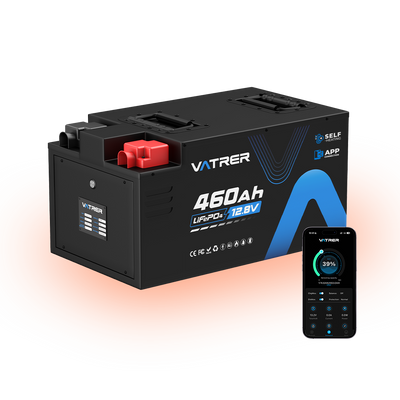
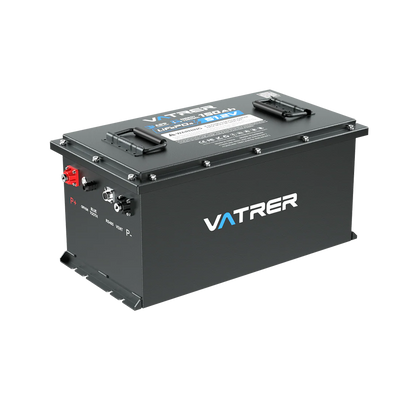
If you price every component individually, costs add up quickly. This is where bundled solutions can simplify things. For example, Vatrer 48V lithium golf cart battery kits typically include not just the battery, but also a matched lithium charger, mounting brackets, and installation accessories. That kit meets the need to source parts separately, avoids compatibility issues, and can lower the total conversion cost compared to buying each component individually.
Another hidden factor is system integration. When components are sourced separately, small mismatches, like charger profiles, connector types, or mounting dimensions, can create additional costs or installation issues. Pre-matched systems reduce these risks and often shorten installation time.
Golf Cart Conversion Cost by Setup Type
Not all conversions are built the same. The total cost to upgrade a golf cart to 48V depends on how complete the system upgrade is.
Budget Setup ($1,500–$2,500)
- Lead-acid batteries only
- Minimal component changes
- You may keep the original controller
This works if you’re just trying to get more voltage. But performance gains are limited, and long-term reliability can suffer.
Mid-Range Setup ($2,000–$3,500)
- Lead-acid or entry lithium
- New controller + proper wiring
- Improved system stability
Premium Setup ($3,500–$5,500+)
- Full lithium system
- Matched controller, charger, and accessories
- Plug-and-play installation options
What Actually Changes After a 36V to 48V Conversion
The difference between 36V and 48V is not just about a higher number. It changes how power is delivered across the entire system, especially under load. A 36V setup tends to lose voltage more quickly during acceleration or uphill driving, which leads to noticeable power drop. A 48V system delivers the same power with lower current, which reduces heat and improves efficiency.
At the same time, range is not determined by voltage alone. What really matters is total energy (Wh = Voltage × Ah). For example, a 36V 105Ah system provides 4,032Wh, while a 48V 100Ah system provides 5,120Wh. So the upgrade improves performance and efficiency, but actual runtime depends on battery capacity.
Higher Speed Stability
A 48V system does not just increase top speed slightly (typically +3–5 mph). More importantly, it maintains speed better under load. You’ll notice fewer slowdowns when driving longer distances or carrying passengers.
Stronger Torque Under Load
With higher voltage, the system delivers power more efficiently. When climbing hills or driving on uneven terrain, the cart feels more stable instead of losing power halfway.
More Consistent Power Output
Lead-acid 36V systems often feel weaker as the battery drains. A 48V system, especially lithium, maintains a more stable voltage curve, so performance stays consistent from full charge to low charge.
Improved System Efficiency
Lower current means less resistance loss in cables and connectors. This reduces heat buildup and energy waste, which improves overall system efficiency during real-world driving.
Weight Reduction (Lithium Setups)
Switching to a 48V lithium system can reduce total battery weight by 200–300 lbs. This directly improves acceleration, reduces strain on the motor, and increases efficiency.
Do You Need to Replace the Controller or Motor When Converting to 48V?
This is one of the most important decisions in a golf cart 36V to 48V conversion, and it directly affects both cost and reliability. Many owners assume they can simply swap batteries and keep everything else the same. In some cases, that works temporarily. But electrical systems are designed with specific voltage limits.
Most golf cart controllers use MOSFETs and capacitors that are rated for specific voltage ranges. A typical 36V controller may only tolerate up to around 50–60V peak. A fully charged 48V lithium battery can reach about 54.6V, which pushes the controller close to or beyond its safe operating range. Over time, this can lead to overheating, reduced efficiency, or complete controller failure.
Controller (Critical Component)
- Most 36V controllers are not rated for 48V input
- Overvoltage can damage internal circuitry
- Upgrading ensures safe operation
Motor (Conditional Upgrade)
- Many stock motors can handle 48V short-term
- Long-term use increases heat and wear
- Upgrading improves durability
Wiring (Often Overlooked)
- Must handle higher current safely
- Poor wiring increases resistance and heat
Lower current in a 48V system reduces stress on wiring, but only if the system is properly configured. Undersized cables can still create voltage drop and energy loss.
Lithium vs Lead-Acid: How Battery Choice Impacts Conversion Cost
Battery choice is the biggest factor influencing your 48V lithium golf cart battery cost and overall system performance.
Lead-acid batteries have been used for decades, and they still offer a lower upfront cost. But they come with trade-offs, weight, maintenance, and shorter lifespan.
Lithium batteries, especially LiFePO4, change that balance by offering longer cycle life and more usable energy.
Lead-Acid Batteries
- Lower upfront cost
- Heavy (60–70 lbs each)
- Requires maintenance
- 300–1,000 cycles
LiFePO4 Lithium Batteries
- Higher upfront cost
- Much lighter
- 4,000+ cycles
- Built-in BMS
Lithium batteries also maintain a more stable voltage curve during discharge. This means your cart delivers consistent performance from full charge down to low state of charge, unlike lead-acid systems where voltage drops steadily and performance fades.
Vatrer lithium golf cart batteries also include low-temperature protection (charging stops below 32°F) and Bluetooth monitoring, allowing real-time system visibility.
Tips Before Converting a 36V Golf Cart to 48V
Before starting a conversion, it’s important to look beyond just the battery. Many issues come from mismatched components or incomplete upgrades. Taking time to plan the system properly can prevent costly mistakes later.
- Check battery tray size and mounting space
- Match charger to battery chemistry
- Install a voltage reducer for 12V accessories
- Avoid mixing old and new batteries
- Ensure proper wiring gauge and connections
- Only DIY if you understand electrical safety
Conclusion
The cost to convert a 36V golf cart to 48V is not just a number. It reflects how complete and reliable you want the system to be. A basic setup can stay under $2,500, but a fully optimized lithium system delivers better performance and long-term value.
If you are planning to replace or upgrade your battery, consider the Vatrer 48V lithium golf cart battery, which includes not only the battery but also a charger, installation accessories, and other complete components. This simplifies the upgrade process and significantly improves the overall performance of your vehicle.
FAQs
How long does it take to convert a 36V golf cart to 48V?
A basic battery and charger upgrade can take 2–4 hours if everything fits correctly. A full conversion with controller, wiring, and accessories may take 6–10 hours. Installation time depends on experience, compatibility, and whether modifications are needed.
Can you use six 8V batteries instead of four 12V for a 48V setup?
Yes, both configurations can achieve 48V. Six 8V batteries are more common in lead-acid setups and often provide better balance and durability. Four 12V batteries reduce complexity but may have different performance characteristics depending on quality and capacity.
Will a 48V conversion affect golf cart battery charging time?
Yes, charging time can change depending on battery type and charger output. Lithium batteries typically charge faster and more efficiently than lead-acid. With a properly matched charger, a 48V lithium system can often reach full charge in 2–5 hours, compared to 8–12 hours for lead-acid.
Do you need to reprogram the controller after a 36V to 48V conversion?
In many cases, yes. Modern controllers may require programming to match voltage, throttle response, and current limits. Proper tuning ensures smoother acceleration, protects components, and improves overall system efficiency.
Is a 48V golf cart more energy efficient than a 36V system?
Yes. A 48V system uses lower current to deliver the same power, which reduces heat loss and improves efficiency. This means less energy is wasted during operation, especially under load, making it more effective for longer drives and heavier use.
Share